
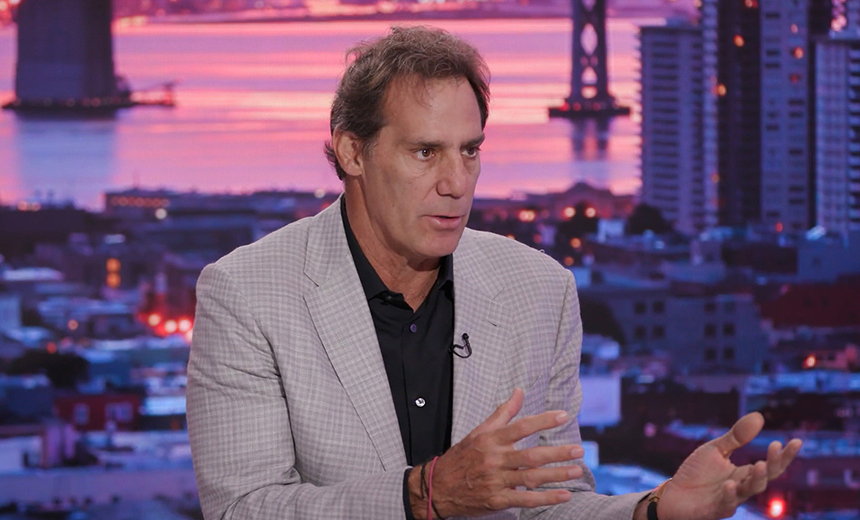


NightDragon CEO Dave DeWalt Discusses Evolving Cyber Threat Landscape
In a recent interview following the RSAC Conference 2026, Dave DeWalt, the CEO of NightDragon, articulated the formidable challenges facing the cyber defense community as it grapples with a new wave of threats significantly propelled by advancements in artificial intelligence (AI). DeWalt revealed that the landscape has shifted dramatically, enveloping cyber defenders in what he describes as a "perfect storm" due to rising geopolitical tensions, rapid AI proliferation, and evolving hybrid warfare tactics.
DeWalt emphasized that cyber attackers, now equipped with AI-fueled capabilities, have gained a substantial upper hand, widening the existing gap between offensive and defensive measures in cyber security. This disbalance has led to an alarming increase in vulnerabilities, putting critical infrastructures and data centers at heightened risk. Once regarded as secondary targets, these vital components of society are now central to various disruption campaigns, which are becoming increasingly sophisticated and pervasive.
"The gap between what the offense can do and the defense can do has widened dramatically. So, we are entering an actually dark period," DeWalt stated, highlighting the urgency of the situation. His concerns reflect the experiences of various organizations that are racing against time to enhance their cybersecurity measures amidst escalating threats.
During the informative session, DeWalt discussed the dynamics of AI and how agentic platforms are significantly enhancing the capabilities of cyberattackers. This surge in attack potential has put pressure on defenders, compelling them to rethink their strategies and boost their cybersecurity posture dramatically. The deployment of advanced cyber defenses, particularly in sensitive areas such as critical infrastructure and operational technology systems, is now more crucial than ever.
Moreover, the necessity for stronger public-private partnerships was a focal point in DeWalt’s conversation. He underscored that in the current threat landscape, collaboration between government entities and private sectors is essential for effectively countering global cyber threats. The sharing of intelligence, resources, and strategies can significantly enhance collective defenses, providing a united front against malicious actors.
DeWalt’s insights stem from a wealth of experience in the cybersecurity realm. Over the past 25 years, he has carved a path as a four-time CEO, helming major companies such as FireEye, McAfee, and Documentum. His leadership has not only driven substantial acquisitions but has also created over $20 billion in shareholder value. His extensive background places him in a unique position to assess the evolving cybersecurity landscape and advocate for necessary reforms.
The dialogue surrounding the implications of AI-driven cyberattacks cannot be overstated. With everyday operations transitioning to digital focuses, the potential consequences of a cybersecurity breach become increasingly severe. The risk landscape is wide-ranging, affecting not just individual organizations but society as a whole. As attackers become more sophisticated, defenders must adopt a proactive approach that leverages cutting-edge technology and fosters innovation in cybersecurity measures.
As DeWalt pointed out, the world is at a pivotal moment. With critical infrastructures intertwined more than ever with cyber technology, the stakes are incredibly high. It remains essential for stakeholders from all sectors to recognize the urgent need for comprehensive cybersecurity strategies, which include not only advanced technologies but also a collaborative spirit among industry peers.
In conclusion, the insights shared by Dave DeWalt serve as a wake-up call for organizations striving to navigate the complexities of modern cyber warfare. Emphasizing the importance of unity, innovation, and an evolved understanding of threats, he inspires leaders to rethink their approach to cybersecurity. As they prepare for the challenges ahead, the collective resilience of both public and private sectors will determine how effectively society can withstand the onslaught of increasingly sophisticated cyber threats in this daunting era.