
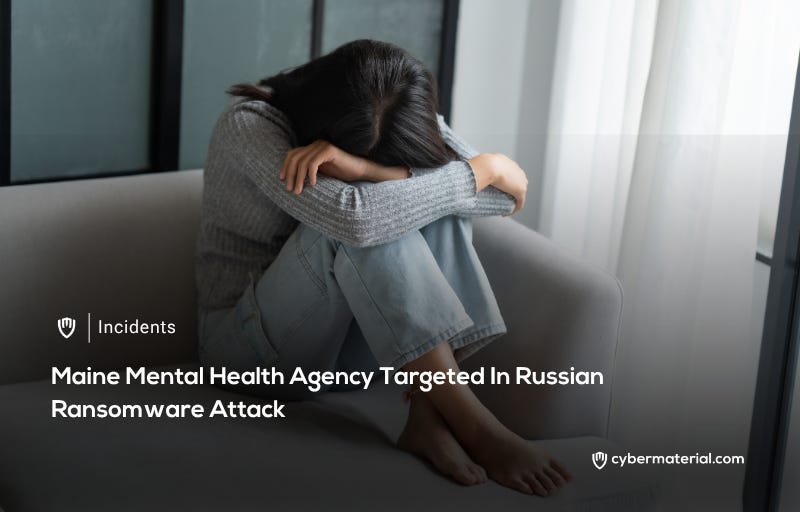


Ransomware Attack on Maine’s AMHC: An Exploration of Security Concerns
Recently, a significant ransomware attack was reported against the Maine-based mental health provider, Aroostook Mental Health Center (AMHC). This incident has caught the attention of both cybersecurity experts and the public due to its implications for healthcare security in an increasingly digital world. The attack is believed to have been conducted by Qilin, a notorious cybercrime group with links to Russia.
AMHC, a major behavioral healthcare provider, operates in rural Maine, offering essential services across Aroostook, Hancock, and Washington counties. The organization, which employs over 350 professionals, caters to thousands of clients, providing crucial mental health support. The network disruption was confirmed by AMHC after it appeared on a list of victims published by Qilin, which has gained notoriety for its aggressive tactics and extensive reach within the cybercriminal landscape.
As the organization grapples with this incident, it has engaged cybersecurity specialists to assess the situation. However, they have not yet detailed the exact timing of the attack or the type of data that may have been compromised. This ambiguity raises concerns about the potential impact on client privacy and care.
Qilin, the perpetrator behind the attack, is recognized by many analysts as one of the most significant ransomware threats operating globally. The group has been active since 2022 and employs a service-based model that allows them to lease their malicious software to other criminals, effectively creating a marketplace for cyberattacks. Despite its name being derived from Chinese mythology, U.S. federal health officials firmly identify Qilin as a Russia-based organization. Their operations have scaled significantly in recent years, leading to an increase in attacks that target essential services, including those in the healthcare sector.
In a statement released following the attack, an AMHC spokesperson indicated that the organization’s name appearing on a dark web leak site resulted directly from their refusal to engage in discussions or negotiate with the cybercriminals. AMHC is committed to not succumbing to ransom demands, instead focusing on a thorough investigation of the breach. They have pledged to inform all affected parties and comply with legal obligations as more details about the compromised data come to light.
This incident marks a continuation of an alarming trend in which healthcare providers are increasingly targeted by cybercriminals. Qilin’s attack on AMHC follows a year of heightened activity for the group, which took responsibility for numerous attacks throughout 2025. Their growing reputation was particularly notable after a high-profile incident that affected a medical provider in the United Kingdom, leading to severe disruptions in patient services and raising questions about the vulnerability of healthcare infrastructure.
The larger implications of this attack reflect a national crisis in digital security, especially within the healthcare sector. Federal reports indicate that financial losses from ransomware attacks have surged over thirty percent in just one year, now reaching into the billions annually. For organizations like AMHC, this situation poses a dual challenge: the immediate need to restore services to clients while also safeguarding long-term security and privacy for vulnerable populations who depend on their services.
As critical discussions about data security unfold, the focus remains on balancing the urgent need for recovery with the broader implications for cybersecurity. The AMHC’s commitment to transparency and refusal to engage with the hackers stands as a beacon for other organizations grappling with similar threats. The unfolding investigation will likely shed more light on the dangers that healthcare facilities face in an era where cyber threats are an increasingly common reality.
This attack underscores the urgency of implementing robust cybersecurity measures across all sectors, particularly in healthcare, where the safety and well-being of individuals are paramount. Organizations must now prioritize not only protecting their data but also preparing for potential breaches through comprehensive response strategies. As the investigation at AMHC continues, it serves as a stark reminder of the evolving nature of cyber threats and the vital importance of safeguarding the information of those served by these critical institutions.