


The US government’s National Cyber Workforce and Education Strategy (NCWES) is setting its sights on addressing the cyber skills shortage in Africa with the help of the Cybersafe Foundation. This Nigerian-based non-governmental organization is aiming to develop a cybersecurity ecosystem playbook specifically designed for Africa, in line with the NCWES, to tackle the hiring issue that the continent is currently facing.
The talent flight phenomenon in Africa, where individuals educated in Africa leave the country for work opportunities abroad, is a significant factor contributing to the cybersecurity skills shortage. Referred to as ‘Japa’ in Nigeria, this brain drain frustrates employers who invest in training and education for individuals, only to see them leave the company. This trend has resulted in a skills gap in Africa, resulting from students needing to learn more practical skills in addition to theory-based education in the classroom.
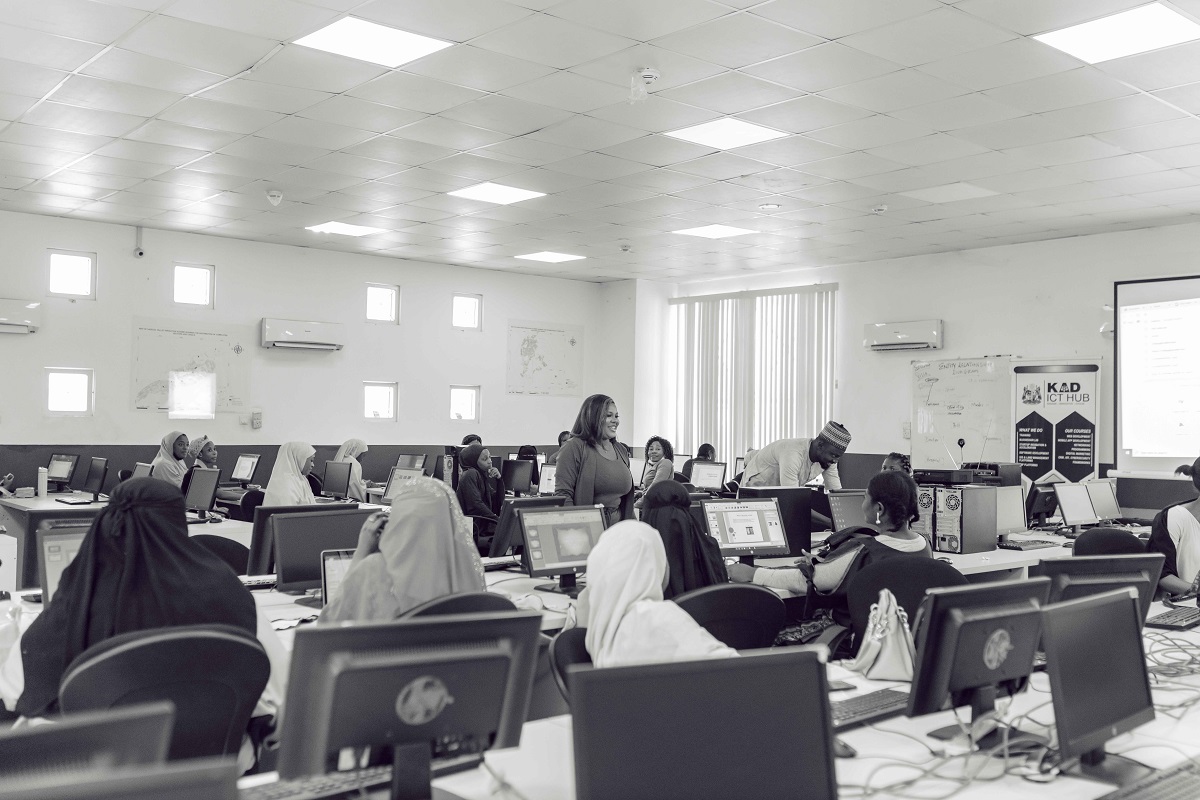
The Cybersafe Foundation believes that Africa has the potential to become the talent capital for cybersecurity globally, thanks to its young population and millions of young people who are eager to gain these skills. However, businesses in Africa face challenges in finding staff with the necessary cybersecurity skills and knowledge to secure data and ensure the safe and secure use of technology. The missing skill is the ability to protect existing data and systems. Providing practical, hands-on cyber skills education will be an essential aspect of the playbook to address this challenge.
The playbook to be developed by the Cybersafe Foundation will encompass lessons learned from previous exercises and offer best practices to support the development of the cyber workforce in Africa. The aim is to foster the growth of a robust cyber workforce in the continent. A timeline is currently being set, with the first version of the playbook expected to be available in 12 months. The development process will involve consultations, reviews, feedback, and refinements from different stakeholders, as a collaborative effort is required to drive and influence changes.
To gauge the success of the playbook, the Cybersafe Foundation plans to use a “multiplicity” approach, assessing the number of individuals trained in cybersecurity skills and the number of individuals who join the cyber workforce in the next five years. The organization also intends to measure qualitative impacts through case studies showcasing successful transitions into cybersecurity roles. These metrics will include the number of people hired, retained, and trained, the creation of new jobs, the offering of cybersecurity courses by universities, and curriculum revamps.
Addressing the cybersecurity skills shortage in Africa is a critical step toward creating a safer internet for everyone with digital access on the continent. By providing the necessary resources and practical education, the Cybersafe Foundation’s playbook, in collaboration with the NCWES, aims to equip Africa with the talent and skills needed to protect data and systems, ultimately fostering economic growth and creating a pipeline of future security talent.