
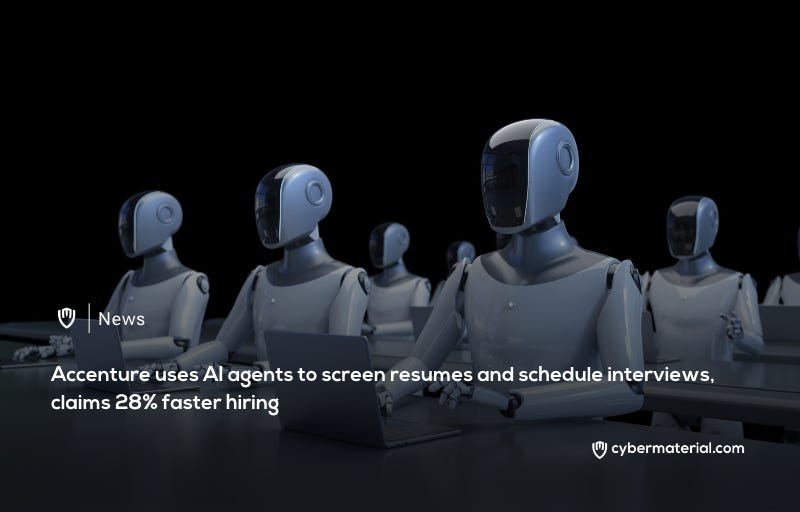
Accenture Embraces AI in Recruitment: Revolutionizing the Hiring Process
In a bold move towards modernization and efficiency, Accenture has integrated AI agents into its recruitment process, significantly transforming how the company manages applicant selection. As highlighted during the company’s recent investor day, these AI agents are now automating key tasks such as resume screening, interview scheduling, and skills assessments. Kate Clifford, the global chief leadership and HR officer at Accenture, emphasized that while AI assists with administrative tasks, human recruiters retain ultimate authority over final hiring decisions. This approach not only streamlines processes but also aims to enhance the overall quality of recruitment.
The motivation behind this initiative is rooted in addressing long-standing inefficiencies within the recruiting workflow. According to Clifford, recruiters have historically spent a considerable amount of time on monotonous tasks, including scheduling interviews and managing data entry. Such practices have diverted attention from more critical responsibilities like engaging with candidates and identifying top talent. The implementation of AI agents, termed "frictionless recruiting," seeks to alleviate these burdens by automating repetitive functions. This strategic shift allows human recruiters to allocate more time toward meaningful candidate interaction and assessment.
The impacts of deploying AI in the recruitment process have been promising, as reported by Accenture. The company claims that the AI system has led to a 28 percent reduction in time-to-hire and a 30 percent increase in candidate quality, although the exact methodologies used to arrive at these figures remain undisclosed. Furthermore, Accenture asserts that the AI agents are instrumental in onboarding new employees, drastically reducing the time required for entry-level hires to become productive members of the team from six months to just six weeks. This accelerated transition not only benefits new hires but also enables them to begin generating billable work for the company more swiftly.
In addition to enhancing external recruitment processes, Accenture is also promoting internal adoption of AI technologies among its staff. A memo circulated in February 2023 to senior employees indicated that advancements to top positions would hinge on "regular adoption" of AI tools. This robust policy reflects a commitment to infusing cutting-edge technology into the operational fabric of the organization. The application of AI not only serves internal efficiency but also supports Accenture’s contracts with major clients, including the US Internal Revenue Service, which awarded the company a substantial $2.6 billion contract earlier this year.
However, the rising trend of utilizing AI in recruitment is not without its challenges and controversies. Academic research presents a critical view, raising questions about the effectiveness and fairness of AI recruitment systems. A study published in 2022 in Philosophy and Technology argued that claims regarding fairer hiring through AI are unfounded, labeling such systems as "automated pseudoscience." This skepticism casts a shadow on the reliance on AI, as job seekers navigating automated recruitment systems risk encountering biases embedded within these algorithms.
As Accenture continues to push forward with its AI-driven recruitment strategy, candidates applying for positions will have to engage with these sophisticated automated systems. While the potential for efficiency gains and improved hiring outcomes is significant, the ongoing debates about the validity and fairness of AI in recruitment pose important considerations for both job seekers and hiring organizations alike.
In conclusion, as companies like Accenture lead the charge in adopting AI technologies for recruitment, the implications extend far beyond mere efficiency. The transformative potential of AI in reimagining hiring practices is evident, yet it calls for cautious navigation to ensure that fairness and integrity remain central to the recruitment process. The balance between technological advancement and ethical considerations will be critical as the employment landscape continues to evolve in an increasingly digital age.