
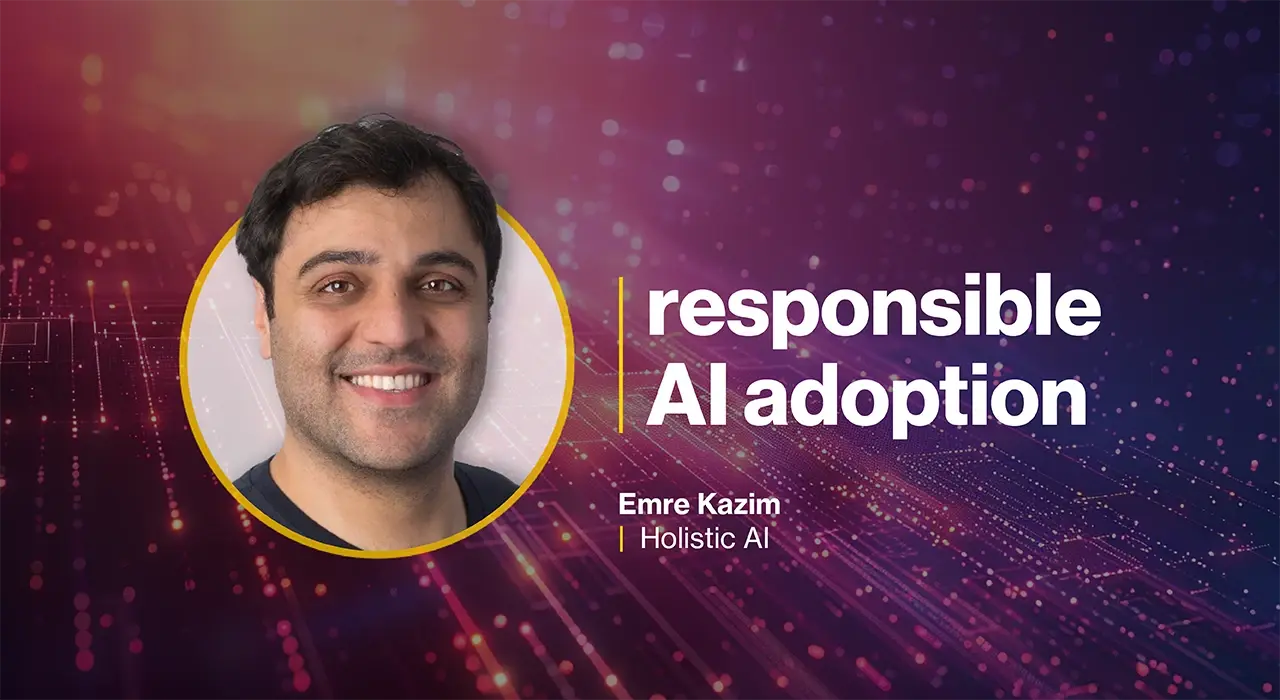


Emre Kazim, Co-CEO of Holistic AI, recently emphasized the importance of integrating responsible AI practices into business strategies from the outset. He stressed the need for companies to address issues such as bias, privacy concerns, and lack of transparency proactively rather than just focusing on regulatory compliance.
To tackle these challenges effectively, companies must develop a clear and proactive AI governance plan. This plan should be an integral part of the company’s IT strategy and should encompass various aspects of AI governance, including efficacy, robustness, privacy, bias, and explainability. By incorporating these elements into their AI governance framework, companies can not only mitigate risks but also accelerate their AI adoption and achieve better results.
The emergence of regulations like the EU’s AI Act is shaping the adoption of responsible AI practices. With governments worldwide considering regulations to protect citizens from potential AI risks, businesses are increasingly compelled to prioritize responsibility and fairness in their AI applications. Moreover, market forces are also driving companies to adopt AI more effectively, as they recognize the strategic importance of AI in ensuring their competitiveness and brand reputation.
While current efforts towards responsible AI are commendable, there is still a need for more robust frameworks to guide AI adoption. Companies must take a proactive approach to implementing responsible AI principles to safeguard their brand reputations and align with ethical standards. By focusing on safe, secure, and reliable AI deployment, companies can contribute to broader societal well-being while also ensuring their own success.
To effectively manage and mitigate AI-related risks, organizations must establish comprehensive AI governance strategies that cover the entire AI lifecycle. This includes steps such as inventory and discovery, onboarding workflows, policy establishment, testing and optimization, monitoring, ROI tracking, and continuous vigilance. By following these guidelines, organizations can ensure that their AI initiatives are strategic, ethical, and sustainable.
In the event of AI system malfunctions or biased outputs, organizations should have specific incident response protocols in place. Ongoing monitoring plays a crucial role in quickly detecting and addressing issues, while training cross-functional teams in incident response protocols is essential for effective resolution. Transparent communication with customers during such incidents can help build trust and demonstrate a commitment to responsible AI practices.
Overall, the emphasis on responsible AI governance is essential for companies looking to harness the benefits of AI technology while mitigating potential risks. By adopting comprehensive AI governance strategies and proactive responsible AI principles, companies can not only ensure their own success but also contribute to the advancement of ethical AI practices at a broader societal level.