
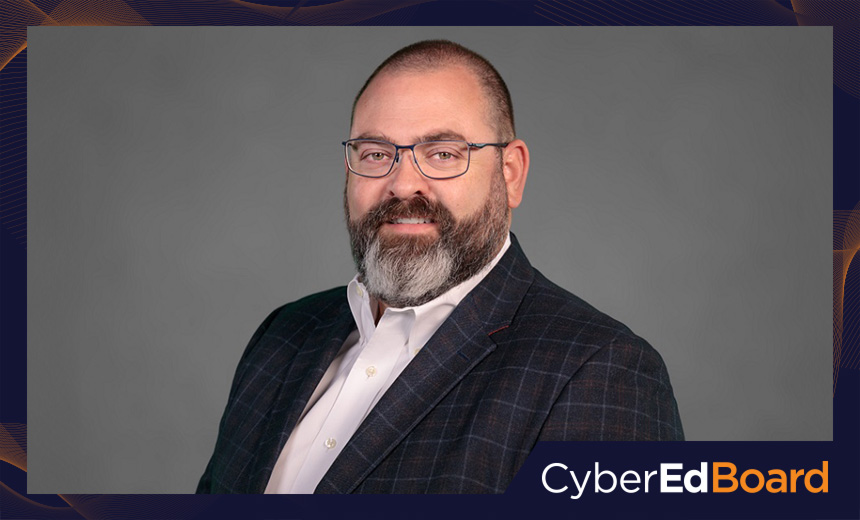


In a recent interview, John Frushour, Vice President and Chief Information Security Officer (CISO) at New York-Presbyterian Hospital, emphasized the importance of practical quantum readiness for healthcare organizations. He argued that these institutions should not succumb to fear-driven narratives that predict sudden cybersecurity disruptions due to advancements in quantum computing. Instead, Frushour pointed out that numerous quantum-resistant technologies have already been developed and are available through various standards and encryption methods, making it feasible for organizations to brace themselves for upcoming challenges without needing drastic operational changes.
Frushour’s insights come at a time when healthcare leaders, as well as those in other regulated industries, are tasked with navigating the complex landscape of cybersecurity while keeping an eye on the evolving realm of post-quantum cryptography. He indicated that balancing current security priorities with the need for future preparedness is critical. The role of commercial software and service providers is pivotal in assisting enterprises in this transition towards quantum-resistant capabilities.
During his discussion at the HealthSec conference in Boston, Frushour articulated the transformative potential of quantum computing for the healthcare sector. Beyond just preparing for quantum disruption, he explained that organizations could unlock long-term benefits from the advanced computation capabilities that quantum technologies promise. These advantages include enhanced encryption methods and improved methodologies for analyzing anonymized data, which could potentially lead to better patient outcomes and data privacy.
Frushour cautioned professionals within the cybersecurity field to remain vigilant amidst the excitement surrounding quantum advancements. His mantra resonates with a careful approach to innovation: “Be wary of the hype, but also be prepared for the future.” He recommended that healthcare organizations focus on strengthening their current infrastructure by adopting robust standards such as TLS 1.3 and utilizing strong cryptographic ciphers. Such initiatives, he noted, are unlikely to disrupt existing operations and can significantly improve their security posture.
In the audio interview tied to the HealthSec conference, he also delved deeper into specific areas of concern related to quantum computing, including:
-
Post-Quantum Cryptography Readiness: Frushour discussed how guidelines established by the National Institute of Standards and Technology (NIST) play an essential role in helping organizations gauge their readiness for post-quantum cryptography.
-
Quantum Risks to Healthcare Devices: The conversation highlighted potential vulnerabilities that healthcare and biomedical devices face in the wake of quantum advancements. As these technologies evolve, understanding the associated risks becomes increasingly critical.
- The Intersection of Artificial Intelligence and Quantum Computing: Frushour speculated on the exciting prospects that lie at the crossroads of artificial intelligence and quantum computing in enhancing security forecasting. This intersection could potentially lead to more profound insights into threat prediction and prevention strategies.
John Frushour brings a wealth of experience to his role at New York-Presbyterian Hospital, having joined the institution in 2016. His career encompasses various security management and leadership roles at well-known technology firms, including a significant position at Nuance, where he served as the Director of Security Operations. Additionally, his background includes holding technology management positions within the U.S. Marine Corps, where he was the Director of Tactical Networks. His multifaceted experience equips him with the tools necessary to address the complex cybersecurity challenges faced by contemporary healthcare organizations.
As the healthcare sector continues to grapple with the implications of emerging technologies, Frushour’s emphasis on proactive steps that organizations can take to bolster their defenses is both timely and crucial. By adopting a forward-thinking approach and leveraging existing capabilities, healthcare organizations can not only protect themselves against potential quantum threats but also embrace the promising advancements that quantum computing presents for improved patient care and data security.