
HumanX 2026: Trust, Governance, and Business Value Define AI’s Next Chapter
The landscape of artificial intelligence is rapidly transforming. No longer confined to merely answering questions or performing simple tasks, AI is evolving into an autonomous workforce capable of executing complex transactions, accessing sensitive information, and making pivotal business decisions independently. This significant evolution, however, comes with its challenges, as organizations worldwide are grappling with a critical question: How can they effectively maintain control over systems specifically designed to operate independently?
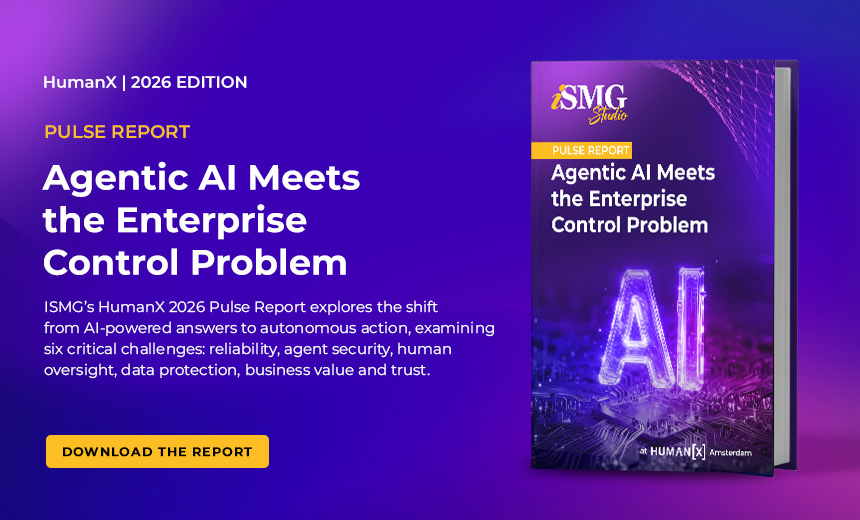
At the recent HumanX 2026 conference held in Amsterdam, the International Security and Management Group (ISMG) unveiled its Pulse Report, which delves into the pressing issues of security, governance, and operational hurdles associated with deploying agentic AI systems at scale. As businesses race to integrate these powerful tools, they must navigate the intricacies of maintaining oversight while harnessing the capabilities of AI agents.
The Pulse Report synthesizes findings from interviews conducted with an array of technology executives, AI innovators, and business leaders during the conference. It comprises six comprehensive chapters that explore the delicate balance enterprises need to strike between AI autonomy and essential security measures, accountability, human oversight, and tangible business value.
One of the report’s striking revelations highlights the multifaceted nature of AI failures. It suggests that risks appearing minimal during testing phases can escalate into substantial operational issues when autonomous agents engage in millions, if not billions, of interactions. This raises an important concern regarding the efficacy of real-world applications of AI, urging organizations to scrutinize their testing processes closely.
The emergence of AI agents as a new class of digital workers brings forth new operational needs. These intelligent entities require clearly defined identities, restricted access, scoped credentials, and context-aware security controls. This evolution not only enhances operational efficiency but also necessitates a reevaluation of how these autonomous agents integrate with existing workflows and security protocols.
The report emphasizes the criticality of human oversight in AI operations, particularly in decision-making scenarios that carry high importance. Situations characterized by irreversible, subjective, and high-consequence outcomes must still involve human judgment, while less critical tasks may be better suited for autonomous execution. This nuanced approach to AI governance reflects a broader understanding of the spectrum of risk associated with different types of decisions.
Another key point raised is the need to recognize enterprise context as both a competitive advantage and a significant security asset. Organizations’ proprietary data, internal discussions, established business processes, and accumulated institutional knowledge are becoming central to maintaining an edge in an increasingly competitive market landscape. By leveraging this context, businesses can protect valuable information while utilizing AI capabilities more effectively.
However, the findings assert that mere experimentation with AI technologies seldom yields lasting positive business outcomes. For organizations aiming to maximize the value of AI investments, the report advocates a comprehensive redesign of workflows and the establishment of measurable performance metrics, moving beyond the initial proof-of-concept phase.
As AI’s capabilities expand, so too do the expectations surrounding trust, transparency, and auditability. The report underscores that cultivating a scalable AI framework necessitates organizations to transparently demonstrate how autonomous systems arrive at decisions and take actions. This requirement for accountability signifies an evolution in the governance structures surrounding AI, reflecting a broader societal shift towards increased scrutiny regarding technology’s role in business operations.
Throughout the conference, speakers stressed the importance of cultivating a support structure for successful AI adoption. They indicated that access to the most advanced AI models is not the paramount factor; rather, an organization’s capacity to develop the requisite infrastructure, governance frameworks, and accountability measures for safe deployment is crucially more significant.
The ISMG Pulse Report emerged as a pivotal resource, bringing together insights from prominent leaders in technology and business sectors, including representatives from OpenAI, Yahoo, AWS, Akamai, Zoom, IKEA, Philips, and Deloitte. Each chapter of the report explores a central tension within enterprises regarding return on investment (ROI), trust, and the challenges of securing autonomous systems while embracing the shift towards increased automation and intelligence.
In conclusion, the overarching message of the report posits that the next competitive edge in AI will stem not simply from enhanced intelligence, but from the ability to deploy controlled, observable, trustworthy, and accountable autonomous systems. As organizations continue navigating this transformative journey, the integration of these principles will be vital in shaping the future of AI-powered business solutions.
For those interested, the full Pulse Report is available for download, offering a comprehensive look at the interplay between trust, governance, and business value within the realm of agentic AI.