


A Disorienting Future: The Rapid Proliferation of Agentic AI and Emerging Cyber Threats
The landscape of cybersecurity is undergoing a dramatic transformation, characterized by a growing sense of uncertainty and complexity. This became evident at the annual RSAC (RSA Conference) held in San Francisco, where leading experts gathered to discuss the implications of newfound technological advancements, particularly in artificial intelligence (AI). A significant focus was placed on agentic AI—intelligent systems capable of making autonomous decisions—which, in the hands of malicious actors, surges the potential for devastating cyberattacks.
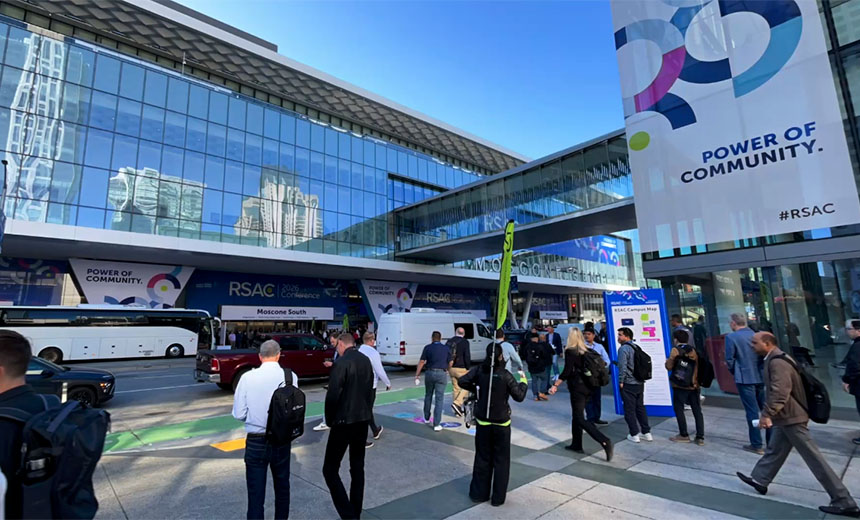
Reflecting on the prevailing theme of this year’s conference, "the power of community," attendees found hope in collective resilience, yet concerns loomed large about the rapid evolution of AI technology. Experts highlighted that risks associated with advances in artificial intelligence—many of which were inconceivable a year ago—now pose formidable challenges to even the most seasoned cybersecurity professionals.
Notably, Paul Kocher, an independent cryptography researcher renowned for co-authoring the SSL/TLS protocol, articulated growing apprehensions regarding the unpredictability of the future. "We are at a point now where I have no idea what the world’s going to look like in two or three years," he shared in an interview. Kocher elaborated that there are pressing questions regarding how organizations can prepare for sophisticated AI-driven threats. The ability for AI to identify vulnerabilities in software systems at an alarming rate is particularly unsettling.
The concerns spill over into larger topics, such as the potential impacts of reduced funding for cybersecurity research by the U.S. government and the speed of advancements in quantum computing technology. While Kocher remains optimistic that traditional cryptographic systems might maintain their integrity, he warns that peripheral systems like key management could fall prey to AI-driven exploitations in ways unforeseen by experts.
The rise of agentic AI specifically adds another layer of complexity. Renowned cryptographer Adi Shamir remarked during a panel at the conference that he is "totally terrified" by the exponential growth of intelligent agents and the vast swathes of data they can potentially access. The implications of this uncontrolled proliferation raise alarm bells among experts and practitioners alike.
Amidst the chaos, a critical theme arose during discussions at the conference: the need to embrace AI but with caution. Pieter Danhieux, CEO of Secure Code Warrior, echoed this sentiment, urging organizations to adopt AI technologies at a measured pace. He emphasized the importance of ensuring that AI is integrated into operational frameworks in a controlled manner to prevent potential misuse or overreach.
The challenges of maintaining this control are considerable. Daniel Kennedy, a principal research analyst at 451 Research, stressed the increasing difficulties involved in monitoring and managing generated code. He expressed concerns that the vulnerability landscape is shifting rather than diminishing, placing more emphasis on the need for robust AI governance frameworks. Kennedy employed a fitting metaphor, comparing effective governance to brakes in a car—not merely used to bring vehicles to a halt, but as tools enabling faster and safer operation in complex environments.
Adding to the dialogue, Devon Bryan, global Chief Security Officer for Booking Holdings, underscored the notion that with the newfound power of AI comes great responsibility. He advocated for the necessity of implementing governance structures around AI agents, emphasizing the critical requirement for human oversight in decision-making processes, particularly in high-stakes situations.
The conference also delved into the latest attack methods that have emerged due to the proliferation of large language models (LLMs). NightDragon CEO Dave DeWalt underscored a troubling trend, declaring that cybersecurity has entered a "dark period" where adversaries wield AI tools with greater efficacy than defenders. He noted that the sophistication of attacks has escalated, largely influenced by AI’s ability to personalize threats.
Cynthia Dwork, a Harvard computer science professor and one of the pioneers of differential privacy, elaborated on this point, detailing how AI tools are increasingly aiding cybercriminals in crafting tailored coercion tactics aimed at individuals. The utilization of LLMs for threat personalization heightens the stakes, making it imperative for cybersecurity professionals to stay ahead of the curve.
As discussions unfolded at the conference, it became evident that the bigger question remains: How can businesses, governments, and communities collaboratively navigate this uncertain environment? The stakes could not be higher; a future dominated by agentic AI emphasizes the urgent need for vigilance, ethical considerations, and thoughtful governance as society seeks to harness the benefits of these powerful technologies while safeguarding against their potential misuse. The overarching consensus resonates clearly: collective awareness, informed governance, and proactive defense strategies will be crucial in facing the intricate challenges posed by AI’s rapid evolution.