
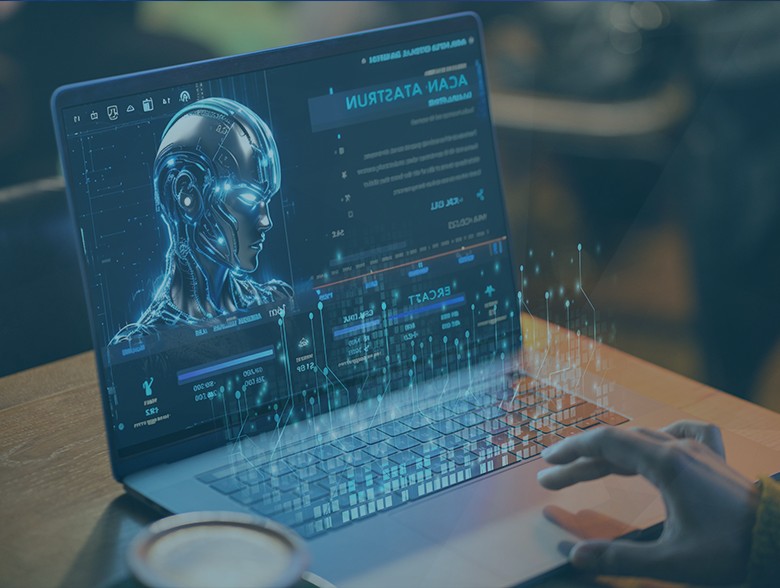


AI-enhanced cyber-attacks are becoming increasingly sophisticated, posing a significant threat to businesses and their users. Hackers are leveraging advanced technologies to develop more convincing scams, making it crucial for enterprises to implement robust risk management strategies to combat these threats.
Generative AI frameworks have given hackers the ability to craft more convincing and professional-looking phishing scams, bypassing traditional cybersecurity measures. Additionally, the deployment of AI-supported password guessing and the creation of deepfakes using AI technology are raising concerns among businesses.
FraudGPT, a new AI product sold on the dark web, has become a powerful tool for cybercriminals, enabling them to generate malicious code, locate vulnerabilities, and identify vulnerable targets with unprecedented ease. The use of AI techniques to guess or identify passwords has also become a tactic employed by hackers, allowing them to steal passwords with up to 95% accuracy.
Furthermore, deepfakes, which are synthetic creations crafted with AI and featuring realistic faces, pose a significant threat to the corporate world. High-level executives have become victims of AI-powered scams, with voice cloning being used to impersonate C-suite individuals, leading to elaborate fraud schemes within companies.
To combat these advanced AI-powered attack methods, security leaders can leverage AI-powered security tools. Adaptive learning capabilities in modern solutions provide continuous refinement in authentication precision over time, learning from every individual user interaction. Biometric authentication and advanced liveness detection are also critical tools capable of deterring identity scams and fraudulent attacks.
As the threat landscape continues to evolve, businesses must adopt robust defense strategies, including the integration of solutions equipped with advanced liveness detection, biometric authentication, and adaptive learning capabilities. By doing so, security leaders can bolster the security of their infrastructure and protect the sensitive data of their users.
Philipp Pointner, a seasoned security and identity expert with over 20 years of industry experience, emphasizes the importance of adopting modern defense strategies to protect ecosystems from evolving AI-powered identity fraud tactics. His leadership in advancing digital identity solutions at Jumio serves as a testament to the urgency of addressing the mounting threat of AI-enhanced cyber-attacks.
In conclusion, as AI-driven automation continues to advance, businesses must remain vigilant in defending themselves against the evolving threat of AI-enhanced cyber-attacks. By implementing advanced security tools and robust risk management strategies, enterprises can mitigate the risks posed by sophisticated AI-powered attack methods and protect their infrastructure and sensitive data from malicious actors.