
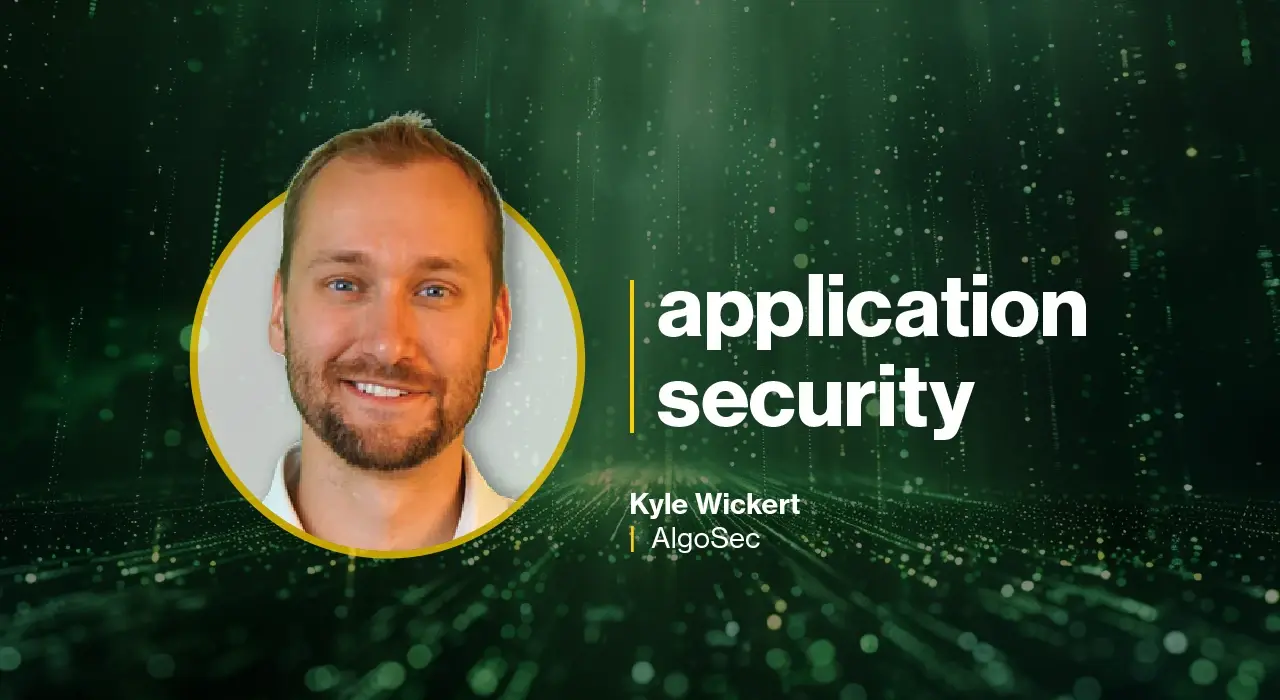


In an exclusive interview with Help Net Security, Kyle Wickert, the Worldwide Strategic Architect at AlgoSec, delves into the role of AI in application security and how it is revolutionizing threat detection and response strategies.
Wickert sheds light on the importance of incorporating security testing at every stage of the development lifecycle, the challenges organizations face in fostering a security-first mindset, and the strategies needed to maintain regulatory compliance while implementing stringent security measures.
AI, often perceived as a threat, is emerging as a crucial tool for defense in the realm of application security. By leveraging AI, security professionals can enhance their ability to detect and respond to threats in real-time. The manual detection process has now been automated, resulting in significant time savings. To fully maximize the benefits of AI in application security, adopting an application-centric approach is essential. By automating change management processes, identifying security risks, and ensuring compliance, security professionals can effectively manage security vulnerabilities and predict potential threats. However, the limitations of AI in application security lie in the necessity for high-quality data to train AI models and the risk of false positives on a large scale. To mitigate these challenges, a balance of AI and human oversight is crucial to effectively manage security risks.
Comprehensive security testing is a critical yet often overlooked component of application security. Implementing techniques such as automated vulnerability scanning, penetration testing, and continuous monitoring throughout the Application Delivery Pipelines can help organizations prioritize security testing at every stage of development. By embedding compliance and risk assessment tasks into change management processes, IT professionals can ensure that security remains a core focus in all operations.
Apart from technical challenges, organizations also face cultural and organizational hurdles when it comes to prioritizing application security. Overcoming the misconception that security slows down application delivery is crucial in fostering a security-first mindset among teams. It is imperative to embed security best practices into organizational culture and workflows, making security an integral part of application delivery pipelines. Collaboration between security teams and developers, as well as leadership support, is essential in driving a security-first culture within the organization.
With the proliferation of regulations and compliance requirements around data protection and privacy, organizations are under immense pressure to comply with these mandates while maintaining robust application security. Effective management of this balancing act involves aligning with regulatory requirements, maintaining ongoing education on regulations, and automating the enforcement of security policies to meet compliance standards. Continuous monitoring and auditing help ensure that changes to applications and network configurations align with compliance mandates, thus avoiding costly breaches while maintaining agility in application security.
Looking ahead, professionals in the field of application security should be aware of emerging trends that are set to shape the industry in the coming years. The increased adoption of AI and machine learning for advanced security protocols, the evolution of stringent regulatory requirements around data protection, and the implementation of a zero-trust architecture to balance security needs with limited resources are key trends to watch out for. Additionally, the trend towards an application-centric approach, the rise of DevSecOps, and the integration of security earlier in the development lifecycle will play a pivotal role in shaping the future of application security.
Overall, the landscape of application security is evolving rapidly, with AI, automation, and collaboration playing crucial roles in enhancing threat detection, response, and compliance management strategies. As organizations continue to navigate the complex terrain of cybersecurity, staying abreast of emerging trends and implementing robust security measures will be paramount in safeguarding sensitive data and ensuring the integrity of applications in an increasingly digital world.