
Artificial Intelligence & Machine Learning,
Next-Generation Technologies & Secure Development,
Recruitment & Reskilling Strategy
SANS Institute’s Rob Lee Discusses AI’s Impact on Cybersecurity Jobs
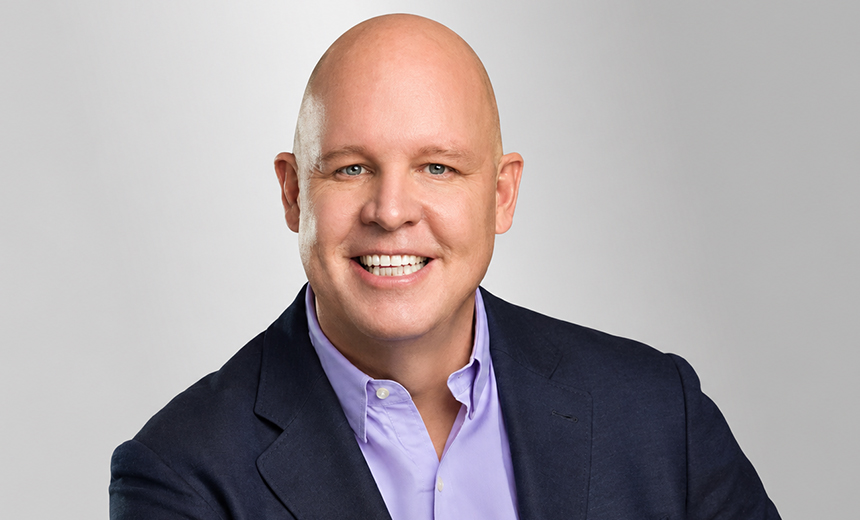
Artificial Intelligence (AI) is making significant changes to the landscape of entry-level cybersecurity jobs; however, recent findings by Rob Lee, the Chief AI Officer and Chief of Research at the SANS Institute, indicate that there is no evidence to support the widespread fears that junior jobs in cybersecurity are disappearing. In fact, Lee points out that entry-level positions have not only remained stable but have also recently seen an increase in availability.
In his statements, Lee mentioned that SANS has been actively tracking the job market for entry-level cybersecurity roles alongside the rise of AI and machine learning positions. His research suggests that the more substantial transformation will be seen in employers’ expectations regarding new hires. The nature of junior roles is evolving; while these positions will still exist, they will require candidates to possess greater technical competencies than in the past. Additionally, AI technology is expected to expedite the skill acquisition process for these practitioners, allowing them to achieve higher skill levels more rapidly than traditional methods would permit.
Despite these changes, Lee asserts that the necessity for fundamental cybersecurity skills remains unchanged. He draws a parallel between the cybersecurity profession and other fields such as medicine, law, and engineering. In these professions, structured educational frameworks and practical experience play a critical role in preparing individuals for advanced responsibilities at an earlier stage in their careers. Lee suggests that cybersecurity may benefit from adopting a similar model, moving away from the assumption that expertise develops solely through years of repetitive junior work.
“The evidence is showing that AI is not directly eliminating jobs,” Lee emphasized. “We are not witnessing a sudden drop in the number of Security Operations Center (SOC) analysts. Furthermore, managers in the field do not generally seek reductions in workforce size; rather, they aim to enhance productivity with their existing teams.” This perspective underscores the idea that while AI may change how cybersecurity professionals work, it does not replace the human element essential to the field.
In a recent video interview with ISMG, Lee delved into several significant topics related to the impact of AI on cybersecurity jobs. He discussed the evolving job descriptions for entry-level roles, noting that these positions will increasingly demand advanced skills. Additionally, he explained how AI tools accelerate workflows without replacing the core skills and validation that cybersecurity roles require. Lee emphasized the importance for Chief Information Security Officers (CISOs) to prepare for the emergence of new AI security roles and the dynamic shifts in workforce needs that will accompany these developments.
Lee’s expertise positions him as a leading voice in guiding organizations on how to effectively govern, deploy, and defend AI technologies at scale. He has authored the “SANS Secure AI Blueprint,” which outlines a strategic approach to the secure adoption of AI around three key themes: Protect AI, Utilize AI, and Govern AI. Furthermore, he has contributed to the development of the “SANS Critical AI Security Guidelines.” In addition, he co-authored “The AI Vulnerability Storm: Building a Mythos-Ready Security Program” and played a crucial role in the initial post-mortem analysis of the OpenAI agent breach involving Hugging Face.
As the field of cybersecurity continues to evolve in response to advancements in AI, stakeholders across the industry will need to adapt their strategies for recruitment, training, and workforce management. The insights shared by Rob Lee provide a roadmap for navigating these changes, highlighting a future where AI enhances, rather than diminishes, the need for skilled cybersecurity professionals.