
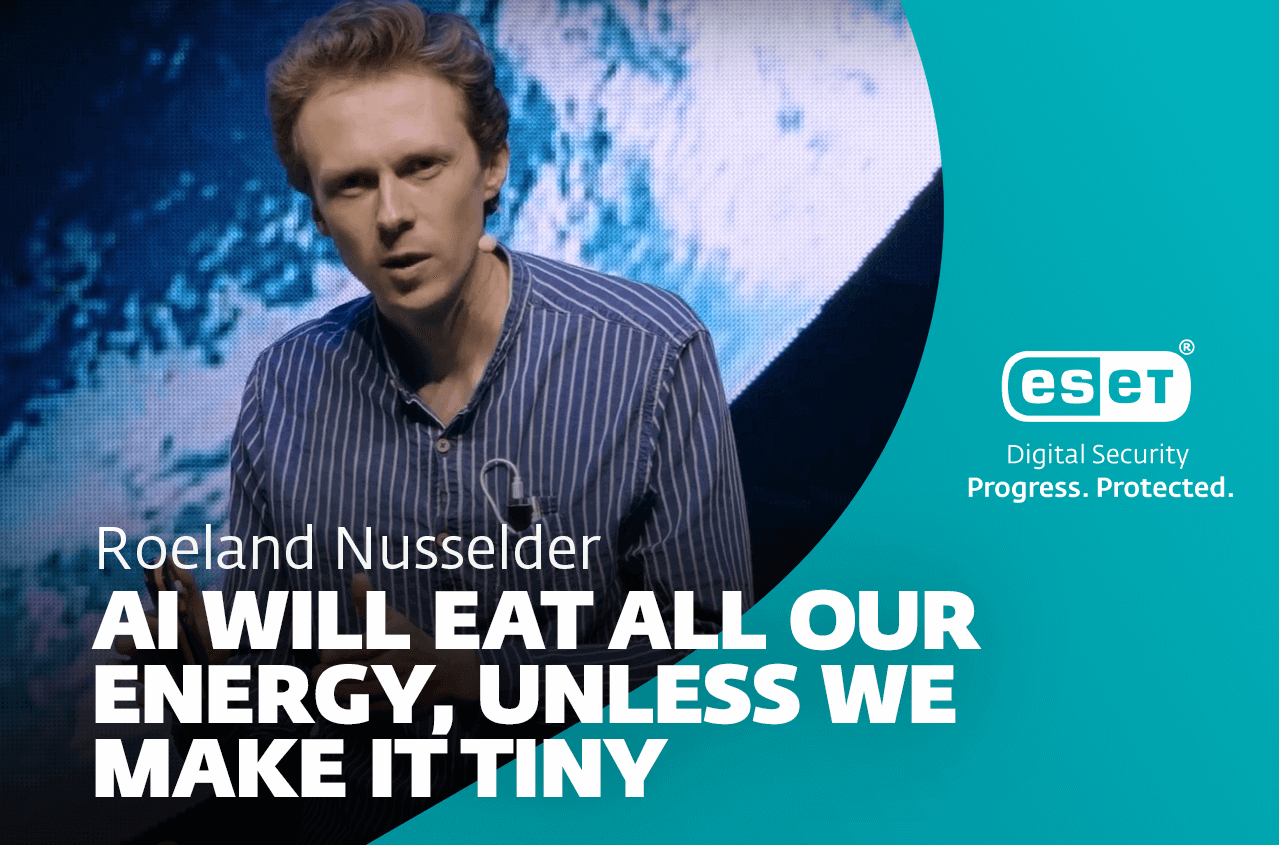


In a recent discussion, computer scientist and Plumerai CEO Roeland Nusselder addressed the growing concern surrounding the energy consumption of artificial intelligence (AI) models. As AI technologies continue to advance, the demand for computational power has increased significantly, leading to a strain on our current energy infrastructure.
Nusselder highlighted the potential consequences of the energy and carbon footprint of AI if left unchecked. The need for significant innovations to reduce energy consumption and make AI systems more sustainable has become increasingly urgent. In response to this challenge, Nusselder introduced the concept of “tiny AI” – systems that are optimized to be smaller, more efficient, and less energy-hungry without sacrificing performance.
The question of whether AI can be powered by less energy without compromising its capabilities is a critical one. Nusselder’s talk delves into the possibilities of ensuring that AI continues to evolve and grow without jeopardizing the planet’s resources. By exploring the potential of tiny AI and other energy-saving innovations, Nusselder aims to pave the way for a more sustainable future for AI technology.
As part of its commitment to promoting scientific innovation, ESET has partnered with Starmus – a global science communication festival that showcases groundbreaking research and connects with leading thinkers in the field of technology and science. The most recent edition of Starmus took place in Bratislava, Slovakia in May 2024, featuring thought-provoking discussions on the power of technology in addressing global challenges.
Through events like Starmus, ESET aims to foster a deep appreciation for science and celebrate the impact of scientific breakthroughs. By engaging with thought leaders and industry experts, ESET seeks to drive progress and innovation in the field of technology.
The importance of addressing the energy consumption of AI systems cannot be understated. As AI technologies continue to advance, finding ways to make them more energy-efficient and sustainable is crucial for mitigating their impact on the environment. By exploring innovative solutions like tiny AI, researchers and industry leaders can work towards a more sustainable future for AI technology.
In conclusion, the discussion led by Roeland Nusselder sheds light on the pressing need to address the energy and carbon footprint of AI systems. By leveraging concepts like tiny AI and promoting sustainable practices in AI development, we can ensure that AI technology continues to thrive while minimizing its environmental impact. ESET’s partnership with Starmus further emphasizes the importance of fostering scientific innovation and driving progress in the field of technology.