
Data Center Backlash: The Emerging Challenge for AI Enterprises and Expansion Plans
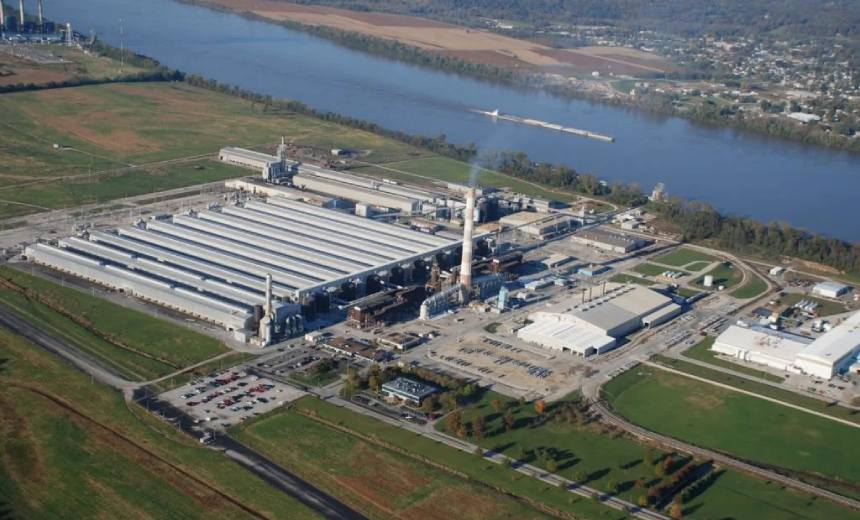
The emergence of extensive data centers has sparked considerable backlash, particularly in small communities where residents are concerned about environmental impacts and the quality of life in their neighborhoods. A notable case occurs in Spartanburg, South Carolina, where a proposed $2.8 billion data center by Valara Holdings—destined to operate 11 industrial-sized natural gas turbines—raised alarm amongst local residents, led by a community member named Randy. As plans for this technologically advanced facility materialized, residents expressed anxiety over issues such as air pollution, noise, and diminished property values.
Randy, who resides in a quiet neighborhood near the defunct Kohler factory site, found himself embroiled in a struggle against the data center’s implications for his health and environment. His concerns mirrored those of many neighbors, who organized and expressed their dissent at local council meetings. However, their passionate pleas were met with indifference and even disdain, as some council members labeled them “The Mob.” The overwhelming momentum behind the economic development initiative, touted by local officials as a “milestone moment for Spartanburg County,” cast further doubts on the residents’ concerns. Here lies the critical tension: while local governments may prioritize economic growth and innovation, they often overlook the environmental and social impacts that operations of this scale introduce to the intimate local landscape.
The proposed site’s power consumption was staggering—457 megawatts of power, enough to potentially service 350,000 homes annually. This extensive energy demand raises essential questions for communities not previously faced with such monumental initiatives. Despite the developer’s offer of air filters and cleaning services for affected properties, residents like Randy remained unconvinced. He highlighted the health risks posed by air pollution, emphasizing the vulnerability of both the elderly and children in his community.
As AI technology continues to advance, it becomes increasingly apparent that this revolution is not built on effortless progress but is reliant on substantial physical infrastructure—one that many communities are resistant to. The recent midterm elections underscored this shift, as multiple candidates who campaigned on restricting data center development were elected into power, rallying a national sentiment against unregulated expansion in the sector. This new political landscape is reflective of an increased awareness among constituents about how expansive data projects affect their everyday lives.
In Spartanburg, the County Council proceeded with approvals for three data centers, creating a contentious atmosphere where residents felt their voices were disregarded in favor of economic ambition. Despite the concerns raised during an election-day meeting criticized for its timing, the council voted to pass incentives for the development. For Randy and his neighbors, this exemplified a growing disconnect between governmental decisions driven by economic growth and the practical concerns of the citizens they represent.
While developments like this can stimulate local economies, Randy’s story echoes a broader narrative that highlights the emerging clash between technology expansion and community interests. With AI providers such as OpenAI and Anthropic facing potential barriers in securing adequate power and community goodwill, the viability of their ambitious plans hinges on stakeholder cooperation and dialogue—an effort that has notably lagged.
Wall Street’s anticipatory excitement regarding the AI boom faces its own challenges when juxtaposed with local dissent. As these companies prepare for significant IPOs—Anthropic targeting a valuation of approximately $1.4 trillion—investors are increasingly aware of the risks posed by environmental regulations and community pushback. It raises questions about the ethical implications of corporate responsibility in the face of infrastructural growth and environmental stewardship. Investors may need to reconsider how their funds contribute not just to AI’s technological advancement, but also to the surrounding communities affected by their operations.
Addressing the potential fallout from increasing scrutiny and regulation, AI companies must shift their approach towards more sustainable practices. Recent pledges from firms like OpenAI to increase transparency and engagement with communities signal a recognition of the need to bridge the gap between technological ambition and local realities. However, the skepticism remains pervasive, with residents such as Randy desiring genuine consultations and actionable commitments to help mitigate their concerns.
As the AI industry seeks to establish itself as a transformative force across various sectors, it must grapple with the practical realities of infrastructure. Diversified supply chains, responsible energy sourcing, and community engagement strategies must become core components of their operational frameworks.
In conclusion, Silicon Valley’s boundless ambitions in AI risk being curtailed unless they earn trust within communities. The advancements they herald must be balanced against the rights and concerns of those living in proximity to their expansive operations. Hence, Randy’s experience reflects a vital lesson for the technological giants: true progress cannot occur in a vacuum, and gaining community approval will be indispensable for navigating the complex landscape of AI’s infrastructural evolution. The dialogue surrounding these developments will shape the future of not just corporate sustainability, but the very essence of human-centered technology in the years to come.