
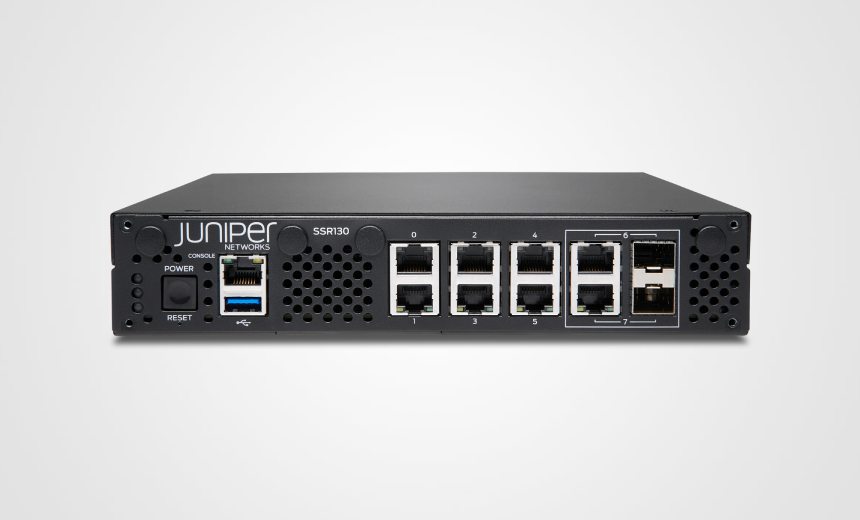


Juniper Networks has taken swift action to address a critical vulnerability in three of its products that could potentially allow attackers to bypass authentication. The networking equipment company released an emergency fix for the flaw, which has been rated with a maximum severity score of 10 according to the Common Vulnerability Scoring System (CVSS).
The vulnerability, tracked as CVE-2024-2973, poses a significant risk as it could enable malicious actors to gain full control of the compromised system. Juniper Networks emphasized that there is currently no evidence to suggest that the flaw has been exploited in the wild. However, the company is urging users to apply the security patch as soon as possible to mitigate any potential risks.
The affected products include the Session Smart Router, Conductor, and WAN Assurance Router. Juniper Networks has provided detailed instructions on how to apply the security fix, advising users to upgrade routers running on the Session Smart Conductor platform to automatically deploy the patch to connected devices. For WAN Assurance Routers managed through the Juniper Mist cloud platform, the patch will be applied automatically.
It is crucial for organizations using these Juniper products to take immediate action to apply the security patch, as the vulnerability could have serious consequences for systems running in high-availability redundant configurations. In such scenarios where service continuity is critical, a successful exploit of the flaw could lead to severe disruptions in network infrastructure for enterprises, data centers, critical infrastructure organizations, and government services.
Juniper Networks has confirmed that the vulnerability was discovered internally during product testing, and there are no known workarounds to address the issue. While applying the security fix will not disrupt production traffic, users may experience a brief 30-second downtime for web-based management and APIs during the patch deployment process.
In light of previous incidents where vulnerabilities were exploited shortly after being disclosed, it is essential for organizations to act swiftly to protect their systems. The U.S. Cybersecurity and Infrastructure Security Agency has also issued guidance urging federal agencies to patch vulnerable systems within a four-day timeframe to mitigate the risk of potential exploitation.
Overall, Juniper Networks’ proactive approach to releasing an emergency fix for this critical vulnerability highlights the importance of timely patch management and proactive security measures in safeguarding against cyber threats. By promptly applying the security patch, organizations can strengthen their defenses and reduce the risk of falling victim to malicious attacks targeting these Juniper products.