
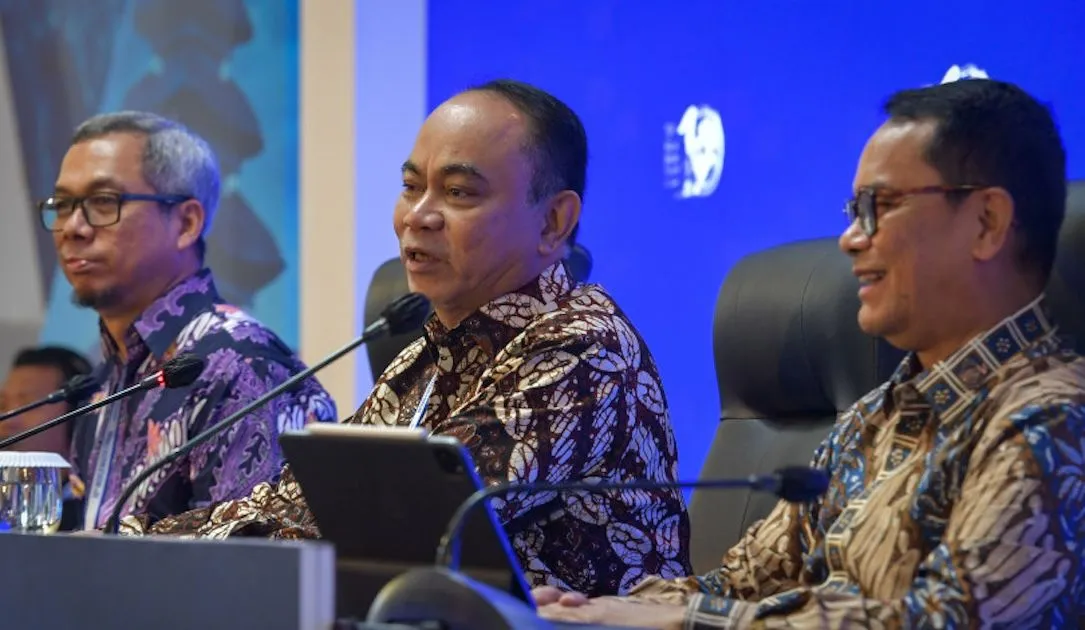


The Indonesian communications and informatics minister, Budi Arie Setiadi, is under intense public scrutiny and pressure to resign after a large-scale ransomware attack targeted the country’s national data center, disrupting over 200 institutions, including government agencies. The incident has sparked outrage among Indonesians, leading to a petition signed by more than 18,500 individuals urging Setiadi to step down. The petition was initiated by the local digital rights organization Southeast Asia Freedom of Expression Network (SAFEnet), calling for Setiadi’s resignation and public apology for the data breach.
The petition highlights the ministry’s responsibility for data and information management, as well as security, holding Setiadi accountable for the ransomware attack. Despite the growing demand for his resignation, Setiadi has chosen not to comment on the situation, stating that it is the public’s right to voice their opinions. The petition, which was sent to Indonesia’s communication ministry and President Joko Widodo, emphasizes the need for accountability and transparency in addressing cybersecurity issues.
SAFEnet, a nonprofit organization dedicated to promoting digital rights and freedom of expression, has criticized Indonesian officials for their handling of the cyberattack. The group raises concerns about the disruption of essential services, inadequate communication with the public, and the lack of transparency surrounding the incident. According to SAFEnet, the government’s silence on the matter has only fueled public distrust and raised further questions about data security and privacy.
Reports indicate that Setiadi’s ministry has struggled to restore affected institutions’ databases following the cyberattack, with only a few services being fully operational by a certain timeline. The attack, which targeted Indonesia’s Temporary National Data Center (PDNS) with a new variant of the LockBit 3.0 ransomware, has left critical infrastructure and sensitive data at risk. The hackers behind the attack have demanded a significant ransom, but the government has refused to comply, leading to uncertainties about data recovery and potential information leaks.
The ongoing investigation into the incident has shed light on the challenges of cybersecurity in Indonesia and the urgent need for enhanced measures to safeguard sensitive data. The attack has been described as one of the worst in recent years, highlighting the vulnerabilities in the country’s digital infrastructure. While efforts are being made to restore government services and secure data systems, the impact of the cyberattack continues to be felt across various sectors.
In response to the incident, President Widodo has ordered an audit of government data centers to evaluate security protocols and data backup practices. The revelation that data in one of the compromised centers had not been backed up has raised concerns about the lack of preparedness and resilience in the face of cyber threats. Setiadi has acknowledged budget constraints as a reason for not backing up data but has pledged to make it a mandatory practice moving forward.
As Indonesia grapples with the aftermath of the ransomware attack, the government faces mounting pressure to address cybersecurity gaps, restore public trust, and strengthen data protection measures. The calls for Setiadi’s resignation reflect a broader demand for accountability and proactive measures to prevent similar incidents in the future. The outcome of the ongoing investigation and the government’s response to cybersecurity challenges will be crucial in rebuilding confidence in Indonesia’s digital infrastructure.