
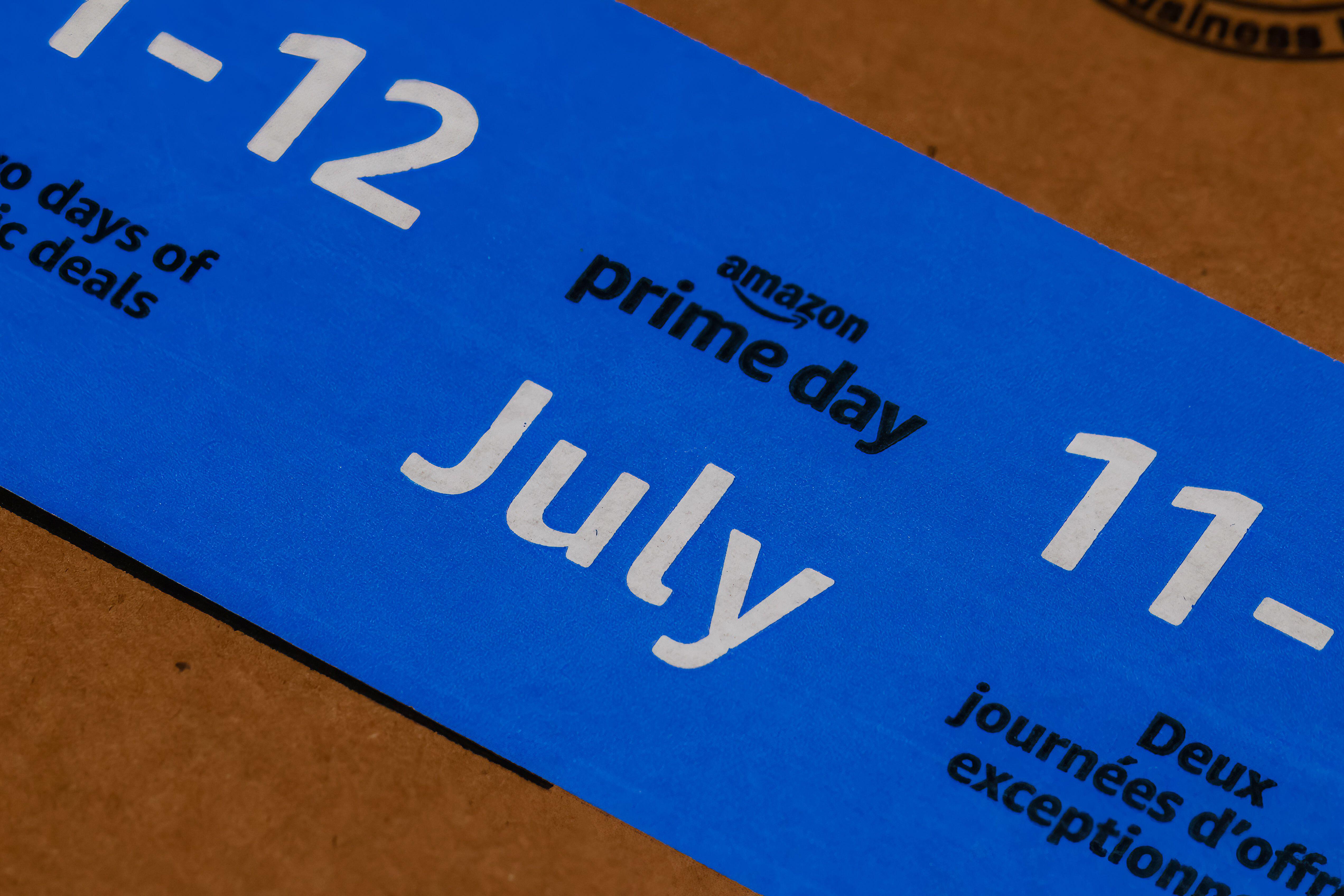
Amazon Prime Day, the highly anticipated worldwide shopping event, is set to run from July 11-12. However, scammers have wasted no time in taking advantage of this opportunity, targeting both shoppers and retailers with malicious activity.
In the days leading up to Amazon Prime Day, cybersecurity experts have already noticed a significant increase in cybercrime. Trend Micro, a leading cybersecurity company, has been closely monitoring this rise in malicious activity. They reported a staggering 33% increase in Amazon scams during the week of June 28 to July 4, compared to the previous week. Additionally, they have noticed a surge in DHL-themed shipping scams targeting shoppers in Arizona, California, Florida, Oklahoma, and Pennsylvania. It is uncertain whether these two phenomena are related.
One particular scam highlighted by Trend Micro involves a Prime Day-themed SMS-text phishing lure. This scam attempts to trick shoppers into clicking on a malicious link to address issues with their Amazon account, claim a gift card, or receive free shipping and other deals. Victims are then prompted to share personal information such as emails and phone numbers. Scammers exploit online shopping customers during holidays and special events like Amazon Prime Day, as these shoppers are actively seeking better deals. Jon Clay, Vice President of Threat Intelligence at Trend Micro, warns that scams targeting Prime Day are expected to increase until and shortly after the event itself due to Amazon Prime’s immense popularity.
Besides targeting shoppers directly, experts have also observed a rise in bad bot activity. Antoine Vastel, head of research at DataDome, has been monitoring this concerning trend. He estimates that these retail bots currently account for approximately 30% of all website traffic leading up to Amazon Prime Day. These bots are programmed to quickly purchase popular items, which are then resold at higher prices. Similar incidents have occurred in the past, such as when Ticketmaster blamed shopper bots for the rapid sale of Taylor Swift concert tickets, angering fans and prompting Senate hearings.
Vastel emphasizes the significance of Prime Day sales, citing Adobe Analytics’ report from last year indicating that the event generated $22.4 billion in sales in the US, with nearly $12 billion of that total being earned during the 48-hour Prime Day window. These numbers demonstrate the tremendous opportunity for retail arbiters to obtain popular items at discounted prices for the purpose of reselling them at a higher cost. However, this trend poses challenges for online retailers, as the massive number of bots used for scraping can significantly slow down websites, diminish competition, and ultimately reduce revenue.
In conclusion, scammers and bad bot activity have already begun wreaking havoc in the lead-up to Amazon Prime Day. Cybersecurity experts are advising shoppers and retailers to remain vigilant and take necessary precautions to protect themselves from falling victim to these malicious schemes. As this worldwide shopping event approaches, it is crucial for both individuals and businesses to stay informed about the latest scams and security measures to ensure a safe and successful Prime Day experience.