
Artificial Intelligence & Machine Learning,
Next-Generation Technologies & Secure Development
CEO States that Patching, Not Vulnerability Identification, Presents Greater Challenges for Enterprises
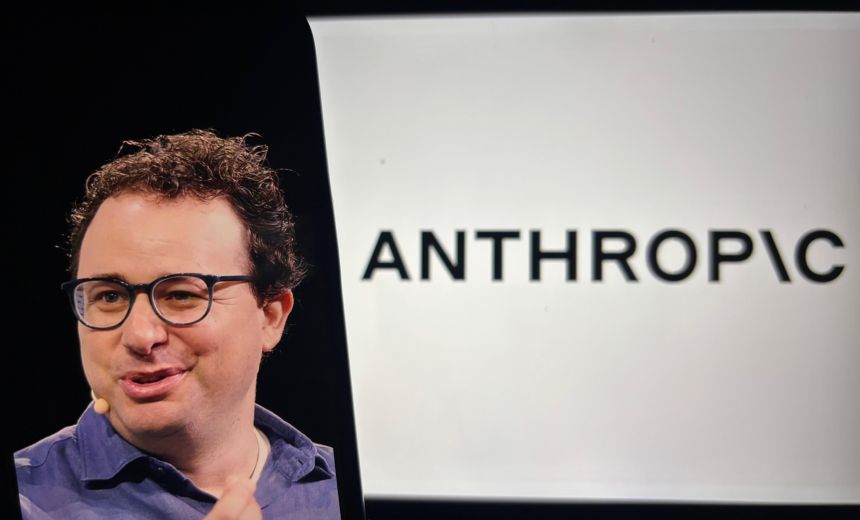
According to forecasts from Anthropic, a technology company specializing in artificial intelligence, the future of enterprise cybersecurity may shift dramatically. Predictions indicate that swarms of intelligent agents will soon be unleashed on enterprise systems, tasked with the real-time patching of vulnerabilities. This evolution is anticipated to unfold within the next year, compelling organizations to prepare for this significant technological advancement.
During a recent online event featuring JPMorgan Chase CEO Jamie Dimon, Dario Amodei, the CEO of Anthropic, articulated the transformative role that these AI agents are poised to play in cybersecurity. As organizations like JPMorgan continue their collaboration with Anthropic on various security initiatives—particularly Project Glasswing—Amodei emphasized that there are several strategic measures enterprises can implement to integrate agent-based security into their operations.
Amodei pointed out that the first step in this endeavor is identifying vulnerabilities within systems. However, he cautioned that merely identifying an extensive array of vulnerabilities—potentially as many as 100,000—would not alleviate the challenges associated with patching. According to him, the true complexity resides in executing those patches effectively.
Following the identification phase, Amodei mentioned that the next crucial step is directing these intelligent agents towards patching assignments. He noted that Anthropic has already begun collaborating with customers to provide patching services, with their Claude models showing improved capabilities in addressing vulnerabilities. The third stage in this process involves the creation of more secure code to bolster systems against potential breaches.
Nevertheless, Amodei expressed concerns regarding the fourth stage, which he acknowledged has yet to be achieved by any current organizations. He stated, “The fourth is something that hasn’t happened yet. We know that cyberattacks happen in real time, and there needs to be a way to solve that in real time.” He believes that within the next six to twelve months, organizations can expect to see swarms of agents actively patrolling their systems, simultaneously addressing vulnerabilities as they arise.
The concept of agent swarms—where a collective of agents collaborates to accomplish a specific task—has already been operationalized across numerous use cases in various enterprises. The growing reliance on AI agents for vulnerability discovery and resolution is evident, and more companies are beginning to adopt this technology in their security frameworks. However, this strategic direction is not without its risks.
Amodei pointed out that AI agents might introduce a new layer of vulnerabilities that enterprises must contend with. This highlights Anthropic’s belief that cybersecurity, along with sectors such as life sciences, physical AI, and scientific discovery, presents some of the most challenging areas for AI agents to navigate, far surpassing conventional coding tasks. He remarked, “Every time we extend the frontier, it creates new markets. We did that with coding, and now as coding agents mature, there are new areas where the frontier is seeing a more difficult challenge.”
This insightful dialogue with Dimon occurs alongside Anthropic’s efforts to launch an investor roadshow to support their impending initial public offering (IPO). The company has positioned its IPO at an astounding valuation of $1.4 trillion, marking it as potentially the largest IPO in history. Notably, reports have surfaced indicating that demand for shares is six times higher than the amount being offered to the public.
In its filings with the U.S. Securities and Exchange Commission, Anthropic has prioritized safety and risk mitigation, acknowledging the potential for misuse of its technologies and the challenges associated with managing models that may exceed the company’s control when they malfunction. Amodei underscored safety as a cornerstone of Anthropic’s philosophy and competitive edge, asserting that from its founding, the company has focused on providing models and services that align with a vision of safety and responsibility. He remarked, “We take care to keep safety as an incentive for innovation.”
However, Amodei also issued a cautionary note, acknowledging that while he envisions a future where AI operates more safely under automation than human oversight, he cannot guarantee the technology will ever achieve 100% safety. The complexities of cybersecurity and the rapid evolution of AI technologies continue to pose significant concerns, demanding that organizations remain vigilant as they navigate this dynamic landscape.