
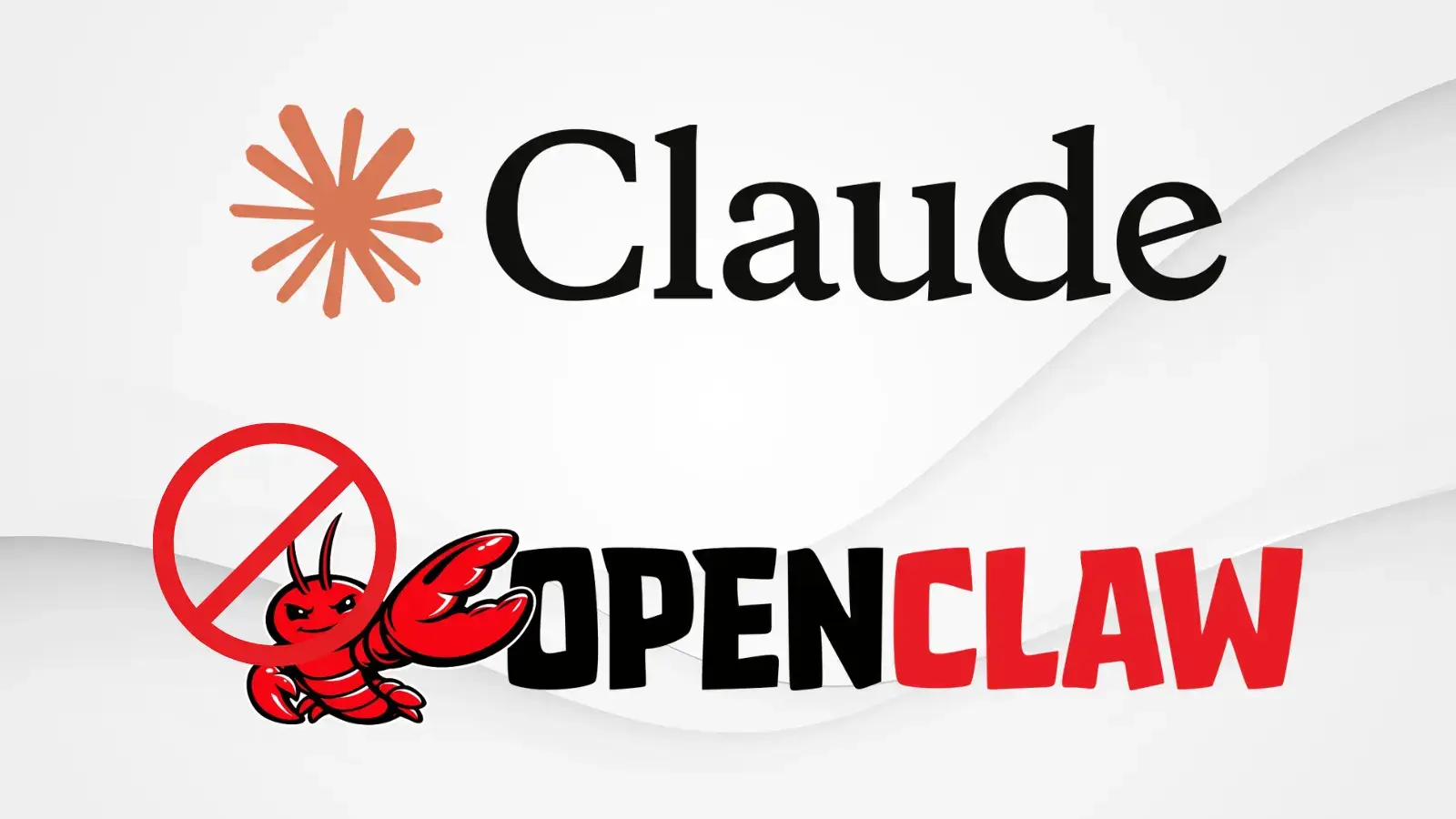
Anthropic Implements Major Restrictions on Claude Subscription Services
In a significant move, Anthropic has announced the cessation of third-party AI agent access to its Claude subscription services, effectively terminating unauthorized external integrations. This decision is set to reshape how developers and advanced users engage with Claude’s pioneering models outside of the company’s official ecosystem.
As disclosed by Anthropic executive Boris Cherny, the restrictions took effect on April 4, 2026, at 12 p.m. PT. Subscribers of Claude Pro and Claude Max will no longer be able to utilize their flat-rate subscription limits to power external automation tools. This policy change primarily targets users of OpenClaw, a popular open-source AI agent framework, which has been widely utilized for various tasks, including web browsing, email management, and smart home automation.
Anthropic plans to extend this ban to encompass all third-party platforms in the weeks to come. This could have a profound impact on the developer community that has relied on these tools to streamline and enhance their projects.
Closing the Authentication Loophole
While Anthropic’s Terms of Service have included prohibitions against unauthorized third-party tool access since February 2024, the company has seldom enforced these rules. This lack of enforcement allowed OpenClaw users to exploit an OAuth authentication loophole, enabling them to route subscription-tier models directly into personal agents at a simple flat monthly fee.
In February 2026, Anthropic officially updated its policies to address this issue, explicitly reserving OAuth authentication for use with Claude Code and the Claude.ai web interface only. The company cited the growing server loads as a critical reason for the crackdown, noting in communications that third-party applications were placing an "outsized strain" on its infrastructure. As a result, Anthropic must now prioritize allocating computing capacity for customers utilizing its core native products.
Following the revelation of these policy changes, OpenClaw representatives, including board member Dave Morin, attempted to negotiate a compromise with the company. However, these efforts resulted merely in a brief one-week delay before the enforcement took effect.
Transitioning to New Billing Structures
Current users who wish to continue integrating third-party agents with their Claude accounts now face limited choices. They can either opt for a pay-as-you-go "extra usage" billing system or authenticate their accounts using a standard Claude API key, which involves metered pricing. To ease the transition, Anthropic is providing a one-time credit that matches the user’s monthly subscription cost, which must be redeemed by April 17, 2026. Subscribers can also enjoy discounts of up to 30% when pre-purchasing bundles of extra usage. Additionally, users wishing to cancel their subscriptions entirely can request a full refund.
The developer community has reacted strongly to the announced changes. Many users who heavily depended on OpenClaw for their work now report that their costs per interaction will increase significantly, ranging from $0.50 to $2.00 per task. Such a dramatic price hike raises concerns among hobbyists and solo developers, who may find their projects economically unfeasible under the new pricing structure.
Critics argue that while Anthropic has actively promoted agentic workflows and innovative uses of its technology, it has paradoxically restricted access to the most affordable avenues for developing these workflows. The policy shift underscores a growing tension between AI companies monetizing costly infrastructure and developer communities that advocate for more open and accessible models.
Conclusion
In summary, Anthropic’s decision to enforce stringent restrictions on third-party integrations for its Claude subscription services not only poses challenges for users but also raises broader questions about access and affordability in the rapidly evolving landscape of artificial intelligence. As the tension between corporate interests and developer needs continues to rise, the AI community will be watching closely to see how these changes unfold and what they mean for the future of AI development and collaboration.