
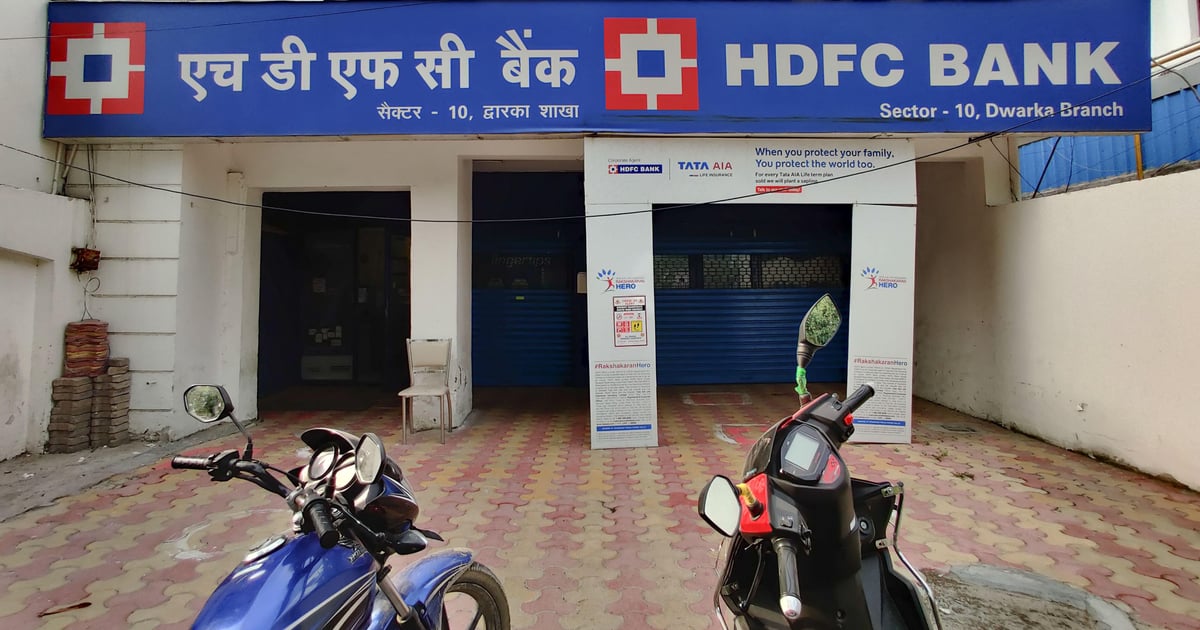
A recent surge in fake banking apps across India has put unsuspecting individuals at risk of falling victim to financial fraud. These fraudulent apps, designed to mimic trusted banking institutions, have been identified by researchers from Zimperium as part of an elaborate scheme to steal sensitive credentials and ultimately, money from innocent users.
The sheer scale of this fraudulent campaign is staggering, with nearly 900 distinct malware samples linked to over 1,000 different phone numbers being used in the perpetration of these crimes. These malware-infected apps disguise themselves as legitimate banking applications from well-known financial giants such as HDFC Bank, ICICI Bank, and the State Bank of India (SBL), targeting a wide range of individuals across India.
In a disturbing trend, regular individuals in India have reported receiving WhatsApp messages containing malicious Android Package Kit (APK) files. Once downloaded, these files unfold into counterfeit apps that closely resemble popular banking platforms, luring users into providing sensitive financial information such as mobile banking credentials, credit card numbers, ATM PINs, Permanent Account Numbers (PAN) Cards, and Aadhar Cards.
To gain unauthorized access to victims’ bank accounts, the malware intercepts one-time passwords sent via SMS and redirects them to either an attacker-controlled phone number or a command-and-control (C2) server operating on Firebase. Moreover, the malicious software incorporates sophisticated stealth and anti-analysis techniques including encryption and obfuscation to evade detection.
Nico Chiaraviglio, chief scientist at Zimperium, shed light on the challenges posed by these fraudulent apps, noting the difficulty in uninstalling them due to their invisible nature and the elevated permissions they acquire on users’ devices. He emphasized the need for advanced technical knowledge, such as using the Android Debug Bridge (ADB), to remove these troublesome apps effectively.
The geographical distribution of the phone numbers associated with this fraudulent campaign, known as “FatBoyPanel,” has shown a notable concentration in eastern states of India, with West Bengal, Bihar, and Jharkhand being the most affected regions. Chiaraviglio attributed the success of this campaign in East India to the prevalence of older, vulnerable devices that are easier targets for exploitation.
Despite the prevalence of scams in the country, Chiaraviglio expressed surprise at the level of specificity in this operation, targeting only Indian individuals and institutions. This focused approach is uncommon in the realm of banking Trojans, which typically target multiple countries simultaneously. The perpetrators behind this scheme have demonstrated a deep understanding of the Indian market and are adept at exploiting the vulnerabilities present in the region.
As authorities work to address this growing threat, it is crucial for individuals to remain vigilant and exercise caution when downloading apps or sharing sensitive information online. By staying informed and adopting best practices for cybersecurity, users can protect themselves against the looming dangers of financial fraud orchestrated by these malicious actors.