
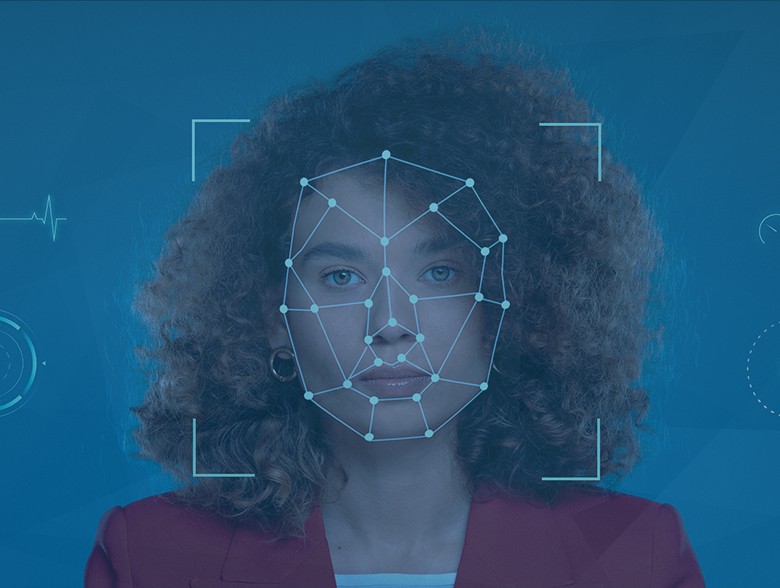
The emergence of biometric as a service (BaaS) is revolutionizing identity management operations for organizations such as governments and telecommunication companies. This technology provides a striking alternative to traditional biometric software models, allowing for easy and efficient fingerprint scanning and facial recognition. By integrating BaaS into their systems, organizations can streamline customer service, reduce fraud, and enhance overall security. The growing demand for mobile biometrics is a key driver behind the increasing popularity of BaaS in the market.
BaaS offers comprehensive integration services through the internet, providing all the necessary functions for biometric identification processes like fingerprint scanning and facial recognition. This eliminates the need for organizations to rely on other technical resources for integration. With BaaS, biometric information is easily managed by the service providers, relieving organizations and customers from the burden of dealing with this data. The enrollment process for employees or business partners is straightforward, involving fingerprint scans captured through an internet browser connected to a biometrics-capturing device. This technology also enables the use of digital cameras for capturing facial recognition records. Once employees are enrolled, their identities can be verified through an internet connection to cloud-based databases.
The increasing demand for cloud-based services in organizations is a significant reason behind the growth of the BaaS market. Cloud deployment offers advantages such as flexibility, agility, and cost-effectiveness, allowing organizations to employ biometric security capabilities without complex setups. Hybrid cloud deployment, combining public and private clouds, further simplifies and streamlines operations.
BaaS has found applications in various sectors, including telecommunications, banking, and healthcare. In Nigeria, for example, the Nigerian Communications Commission disabled millions of unregistered SIM cards to prevent terrorist and criminal activities. Biometric registration of SIM cards eliminates anonymity and helps authorities identify individuals involved in fraudulent or illegal activities. In the banking industry, BaaS can prevent fraud by verifying customers’ identities through fingerprint scans. This technology also has potential applications in voting booths, ensuring the integrity of elections by eliminating voter fraud.
Factors contributing to the adoption of cloud-based biometrics and BaaS systems include strict government rules for data security, increasing cyber-attacks, demands for cost-effective solutions, and advancements in technology such as the Internet of Things (IoT). These factors drive the demand for systems that offer instant deployment, high reliability, and cost-efficiency. BaaS systems also provide benefits such as preventing data duplication, identifying employees and patients, and enhancing employee access monitoring.
The author of this article, Mohit Shrivastava, is a Chief Analyst ICT at Future Market Insights with more than 10 years of experience in market research and intelligence. He specializes in consulting engagements and custom projects related to cybersecurity, big data, artificial intelligence, and cloud technologies. Mohit holds an MBA in Marketing and Finance, along with a degree in Engineering in Electronics & Communication.
In conclusion, the adoption of biometric as a service (BaaS) is growing rapidly in various industries due to its ease of integration, cost-effectiveness, and ability to enhance security. This technology provides organizations with a reliable and efficient identification system, streamlining operations and preventing fraudulent activities. As the demand for mobile biometrics continues to increase, the BaaS market is expected to expand further in the coming years.