
Researchers Highlight Connection Between Fraudulent Speaker Invitations and Ransomware Group
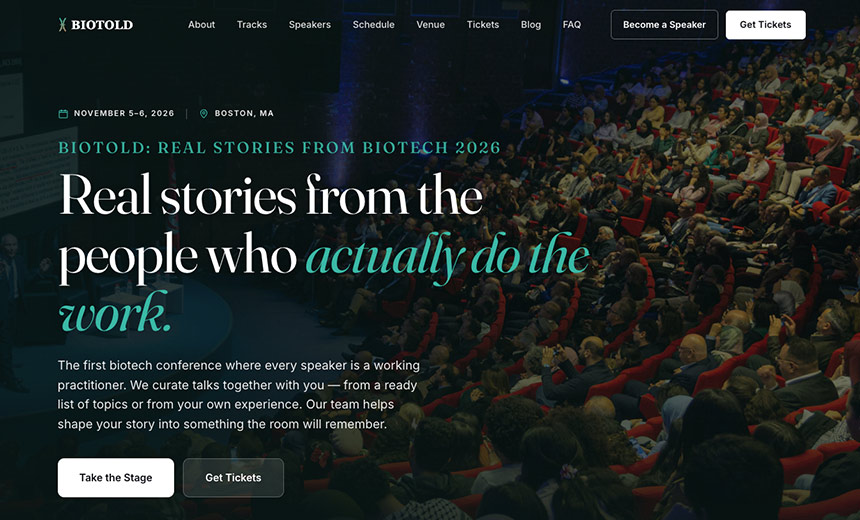
Cybersecurity experts from Proofpoint have uncovered a sophisticated social engineering campaign tied to a threat actor group known as TA586. This group is utilizing a fictional biotechnology conference in Boston to ensnare potential malware victims through carefully tailored fraudulent invitations.
The alarming activity encompasses a fake event named "BioTold," scheduled for November 5-6 at the Omni Hotel. The website was designed to lend an air of authenticity to phishing emails sent to targeted individuals, inviting them to participate as speakers. Selena Larson, a threat researcher at Proofpoint, noted that the campaign is constructed around trust and the professional allure of speaking at a noteworthy event.
According to Larson, recipients of the phishing emails may be tempted to engage with the invitation. If they do, the attackers could follow up with tailored malicious links that could ultimately result in malware installation on the victims’ devices. The campaign primarily exploits human psychology rather than technological vulnerabilities, indicating a shift in the tactics used by cybercriminals.
"What we are seeing is a reliance on trust and professional excitement as a lure rather than forcing software vulnerabilities," Larson stated. She elaborated that this approach allows the attackers to cultivate a deeper connection with their targets, making them more susceptible to follow-up malicious actions.
Proofpoint’s monitoring revealed the fraudulent BioTold initiative via established malicious infrastructure linked to TA586, with increased activity relating to the domain in recent weeks. The fake event cleverly claims Boston was chosen for its reputation as having "the densest biotech community on earth," alongside a lineup of esteemed speakers. This colorful rhetoric is intended to reinforce the legitimacy of the event.
Interestingly, the Omni Hotel, which was purportedly hosting the event, reported receiving numerous inquiries about the nonexistent convention. Sales representatives communicated to ISMG that concerns were raised over room availability linked to the alleged BioTold conference, highlighting the effectiveness of the scammers’ social engineering tactics.
Larson explained that the BioTold domain was first identified in their records during activity in June 2026 when it was used to send out fraudulent event invitations. The renewed activity suggests a concerted effort from TA586 to draw in victims using this seemingly innocuous guise.
Despite the successful operational cloak of this threat actor group, Larson remarked that the true identity, location, and organizational structure of TA586 remain unknown. However, the group’s tactics align with established patterns of activity, such as their role as an initial access broker tied to ransomware campaigns. The malware delivered through these channels is frequently utilized by various ransomware operators within a larger cybercriminal ecosystem.
Additionally, it appears that TA586 may have overlapping characteristics with another cybercrime group dubbed "ZipLine" by Check Point. The methods used by ZipLine deviate from traditional phishing techniques, notably by initiating contact through potential victims’ own "Contact Us" forms on company websites. This tactic fosters a sense of legitimacy, as targeted companies respond directly via email to the submission.
Several distinctive traits characterize the TA586 operation, Larson emphasized. This includes the creation of a highly polished website designed to support their phishing endeavors, featuring a keynote address by notable Harvard Medical School geneticist Dr. George Church. The webpage also provides links for prospective speakers and attendees, boosting their credibility.
The event’s advertisement presents dual pricing tiers, with early bird tickets available at $149 and later priced at $299. This pricing structure adds a layer of urgency to the invitation, enticing victims to act quickly while fostering a sense of legitimacy.
Key indicators of TA586’s involvement include personalized follow-up emails containing ZIP file downloads or malicious URLs, the establishment of a newly registered domain with little public history, and a significant reliance on social engineering tactics rather than outright technical exploits. As Larson observed, "These campaigns generally lead to malware installation following the social engineering phase."
In a broader context, Larson pointed out that benign conversations, speaking invitations, and even job offers are increasingly utilized as hooks for cybercriminals. Such invitations generate enthusiasm and diminish skepticism among would-be victims, ultimately heightening the risk of successful attacks.
As the threat landscape continually evolves, it becomes imperative for professionals and organizations to remain vigilant, scrutinizing seemingly innocuous invitations that could open the door for cyber threats. The case of the fabricated BioTold conference serves as a cautionary tale about the dangers of social engineering in an increasingly digitized world.