
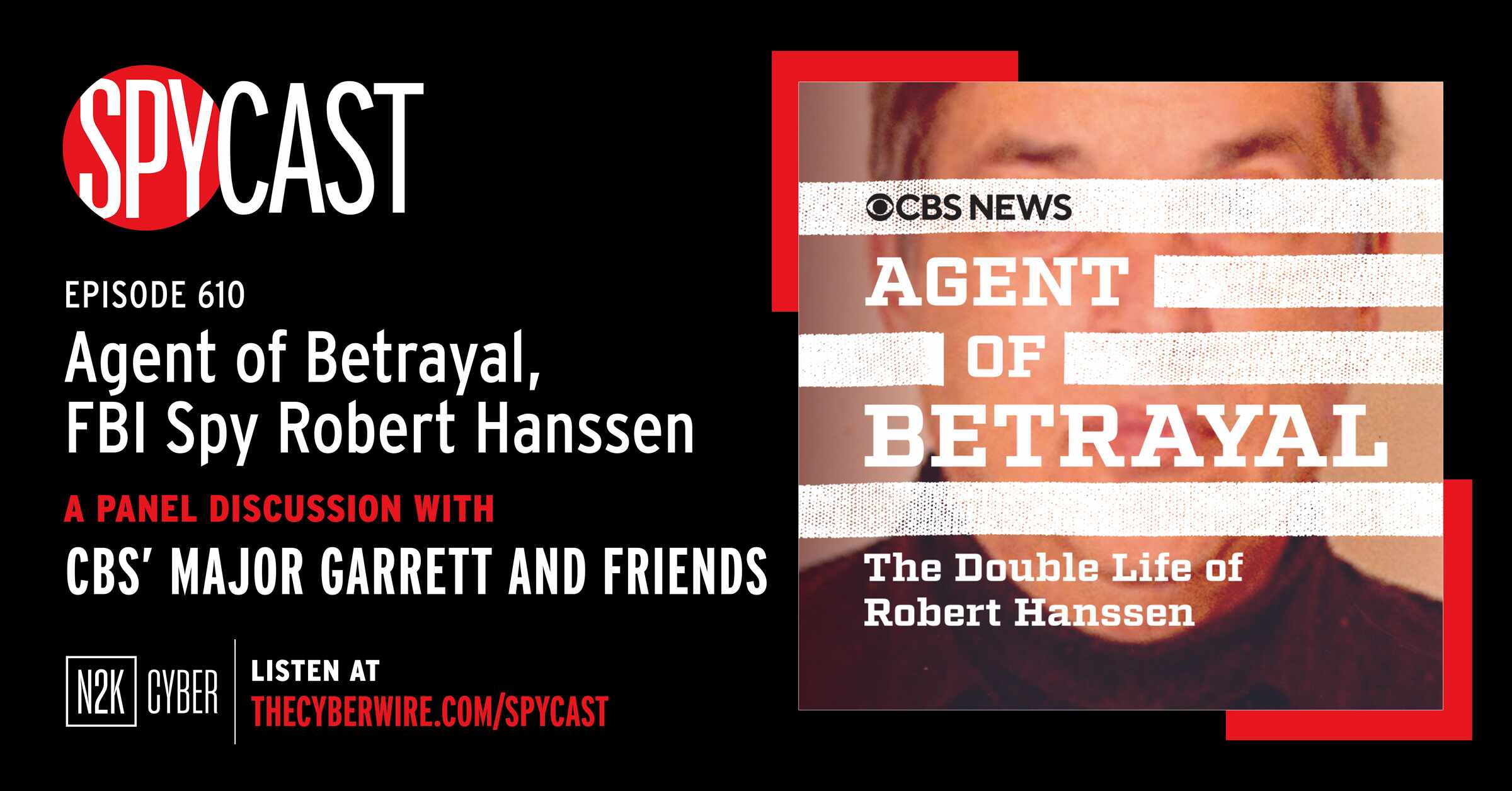
A recent panel discussion at the International Spy Museum shed light on one of the most damaging spies in FBI history, Robert Hanssen. The discussion, led by Andrew and in collaboration with CBS/Paramount on their new podcast “Agent of Betrayal,” involved four experts who provided insights into the story of Hanssen and its impact on the FBI and U.S. intelligence.
The panel included Major Garrett, the host of “Agent of Betrayal”; Dr. David L. Charney, a psychiatrist who met with Hanssen for a year after he went to jail; Dr. John F. Fox, Jr., an FBI historian; and David Major, a retired FBI Supervisory Special Agent who knew Hanssen as a colleague.
The story of Robert Hanssen is a captivating one. He was an FBI agent sworn to protect America’s most precious secrets, but instead, he became a damaging and deadly mole. Hanssen betrayed his colleagues and sold national security secrets to the Russians, receiving at least $1.4 million in return.
One of the key points discussed during the panel was how Hanssen’s colleagues reacted to his betrayal. It was a shocking revelation for many of them, as they had worked closely with him and considered him a trusted colleague. The panelists highlighted the sense of disillusionment and betrayal that permeated the FBI after Hanssen’s actions came to light.
Dr. Charney provided a psychological analysis of Hanssen, shedding light on his motivations and behavior. He explained that Hanssen was driven by a relentless curiosity and a desire to know if anyone was onto him. This led him to navigate the FBI’s computer systems undetected and have eyes on various sensitive information. According to Dr. Charney, Hanssen’s audacity stemmed from his confidence in evading detection.
The impact of the Hanssen case on the FBI and U.S. intelligence was also discussed. The breach highlighted vulnerabilities within the agency and forced a reassessment of security protocols. It prompted a shift in how the FBI approached internal threats and espionage, leading to the implementation of stricter measures to prevent similar incidents in the future.
The panelists emphasized the importance of learning from the Hanssen case and continuously improving intelligence and counterintelligence strategies. They stressed the need for vigilance in identifying potential threats within agencies, ensuring that employees with access to sensitive information are thoroughly vetted and monitored.
Throughout the discussion, different aspects of Hanssen’s case were explored, including the financial aspect. While Hanssen received a substantial sum of money from the Russians, it was noted that he was overshadowed by another infamous spy, Aldrich Ames, who made over $4 million spying for the Russians.
In conclusion, the panel discussion shed light on the story and historical significance of the Robert Hanssen case. It provided valuable insights into how he betrayed his colleagues and sold national security secrets, as well as the impact it had on the FBI and U.S. intelligence. The experts emphasized the need for continuous improvement in intelligence and counterintelligence strategies to prevent similar incidents in the future. The discussion served as a reminder of the constant threats faced by intelligence agencies and the importance of safeguarding national security.