
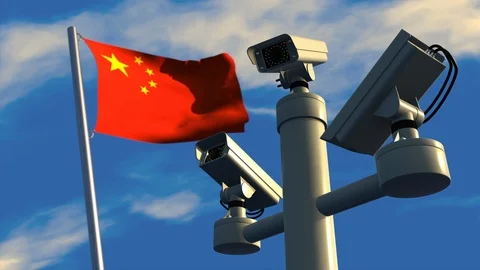


India is poised for a significant transformation in its surveillance landscape, particularly as the government enacts stricter regulations concerning internet-connected CCTV cameras. This development stems from mounting concerns regarding national security and the potential data privacy threats associated with foreign-manufactured devices.
Recent reports have indicated that numerous popular CCTV systems, commonly utilized across various sectors, may not be as secure as consumers have been led to believe. Authorities have uncovered a range of vulnerabilities within these surveillance systems, sparking alarm and prompting decisive governmental measures. In response, the government is enforcing stricter compliance and certification protocols across the CCTV industry, aiming to bolster the security and reliability of surveillance technology used throughout the country.
Under the new regulations, the sale of certain Chinese-branded CCTV cameras in India will face significant restrictions, particularly those that do not adhere to the nation’s updated security standards. Major manufacturers such as Hikvision, Dahua, and TP-Link are expected to be notably affected by this policy shift. The government’s intent is clear; to ensure that only secure and vetted surveillance systems operate within its borders.
### Security Concerns Drive Regulatory Changes
One of the primary motivations behind this crackdown centers around the potential misuse of CCTV systems. With the increasing prevalence of internet-connected cameras, the risk of sensitive data—such as live video feeds—being transmitted to unauthorized remote servers has become alarmingly high. Incidents have even emerged wherein surveillance footage from critical sites may have ended up in the hands of foreign entities, intensifying national security concerns. Such occurrences have compelled the government to reassess existing policies and implement robust oversight measures.
As part of the new framework, it is now mandated that all CCTV devices undergo rigorous testing and certification before being made available in the Indian market. These assessments will rigorously evaluate hardware, software, and cybersecurity protocols, ensuring that products are impervious to hacking and manipulation. Devices lacking the requisite certification will not be permitted for sale or use in India.
Moreover, the government has declared that it will deny certification to any devices incorporating Chinese-origin components. This move effectively limits market access for many foreign manufacturers and aligns with broader strategies aimed at reducing reliance on external technology within critical infrastructure sectors.
### Industry Shifts and Impact on Consumers
The ripple effects of this decision are anticipated to dramatically reshape the CCTV market in India. Domestically produced surveillance systems are already making strides, seizing greater market share as foreign competitors grapple with new restrictions. However, this transition is not without its challenges. As less expensive Chinese alternatives are phased out, the costs associated with surveillance equipment are predicted to rise due to increased production expenses and a limited availability of replacement options.
For the countless existing users of these systems, immediate concerns regarding a ban on already-installed devices have been alleviated. However, nagging issues persist regarding the long-term support, software updates, and vulnerability of older systems still in operation. Experts caution that simply instituting a ban on new devices will not comprehensively address the risks posed by millions of pre-existing cameras, which could still remain susceptible if not adequately updated or secured. This underlines the importance of conducting thorough audits and upgrades of the existing surveillance infrastructure.
### A Strategic Move Toward Improved Surveillance
Ultimately, the Indian government’s initiative reflects a broader strategy aimed at safeguarding both the nation’s digital and physical frameworks. By imposing stringent certification requirements and limiting high-risk imports, authorities strive to ensure that surveillance tools serve as protective measures rather than threats to security.
Although this transition may result in temporary market disruptions, it simultaneously creates fertile ground for Indian manufacturers to innovate and expand their offerings. As India commits to establishing a more secure and reliable surveillance system, the overarching goal remains clear: security must be prioritized over convenience. The nation’s resolve to enhance its surveillance ecosystem indicates a forward-thinking approach to addressing both current vulnerabilities and future security challenges.