
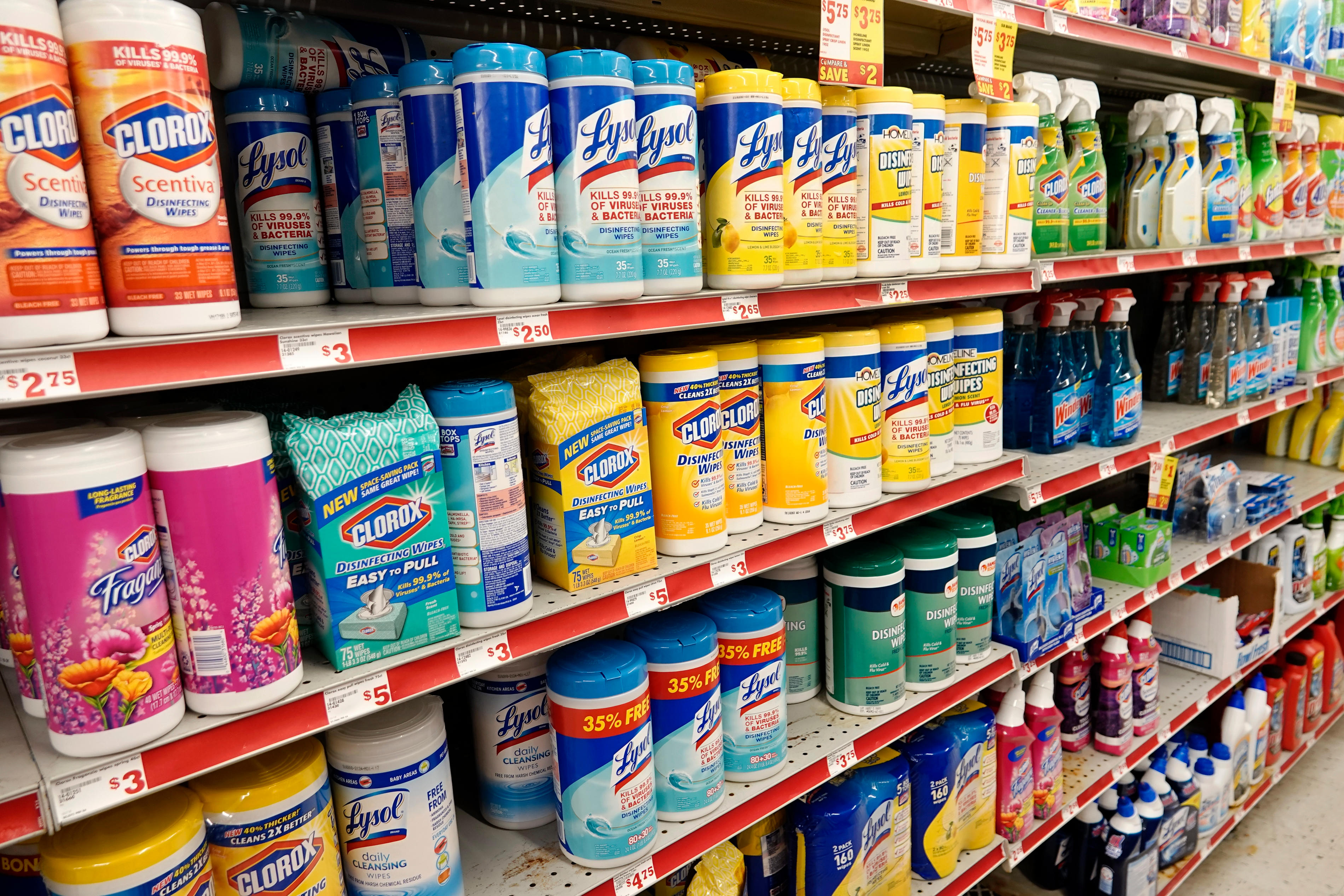


The Clorox Company is facing product shortages as a result of a recent cyberattack that forced the company to take its systems offline. The attack, which occurred in mid-August, caused disruptions and required significant cleanup efforts, according to a filing with the Securities and Exchange Commission (SEC).
In a more recent SEC filing, Clorox provided further details about the incident, stating that it has experienced “widescale” disruptions and has been forced to implement manual ordering and processing procedures. This has resulted in a reduced rate of operations for the company. As a consequence, Clorox has seen an elevated level of consumer product availability issues.
The shortages are expected to persist for some time as Clorox works to repair its IT infrastructure. The company stated that it will not begin transitioning back to normal automated order processing until the following week. The timeframe for fully normalized operations remains uncertain.
While Clorox has not explicitly mentioned the term “ransomware,” industry experts believe that the situation aligns with the typical outcomes of such attacks. Darren Williams, CEO and founder of cybersecurity firm BlackFog, explained that the cyberattack has had a significant impact on Clorox’s supply and production rate. He noted that the company’s role as a major manufacturer of cleaning products, coupled with global supply chain issues, has magnified the consequences of the attack. According to Williams, this aligns with research indicating that cyberattacks often lead to business downturns, customer frustration, financial losses, and loss of trust.
The Clorox Company is known for producing a range of popular products, including Burt’s Bees, Glad, Liquid-Plumr, Pine-Sol, and Tilex. The product shortages are likely to impact consumers who rely on these household staples. Clorox has acknowledged the challenges and is working diligently to rectify the situation. However, given the complexity of repairing its IT infrastructure, the company cannot provide a precise estimate of when operations will return to normal.
Clorox’s experience serves as a reminder of the far-reaching consequences of cyberattacks. Not only do companies face immediate disruptions and the need for extensive cleanup efforts, but they also grapple with the long-term effects on their operations and reputation. The incident underscores the importance of robust cybersecurity measures for organizations of all sizes and industries.
As Clorox continues its efforts to recover from the cyberattack, consumers may need to exercise patience as the company works to resolve the product shortages. In the meantime, Clorox remains committed to meeting consumer demands while taking necessary measures to bolster its cybersecurity defenses and prevent future attacks.