
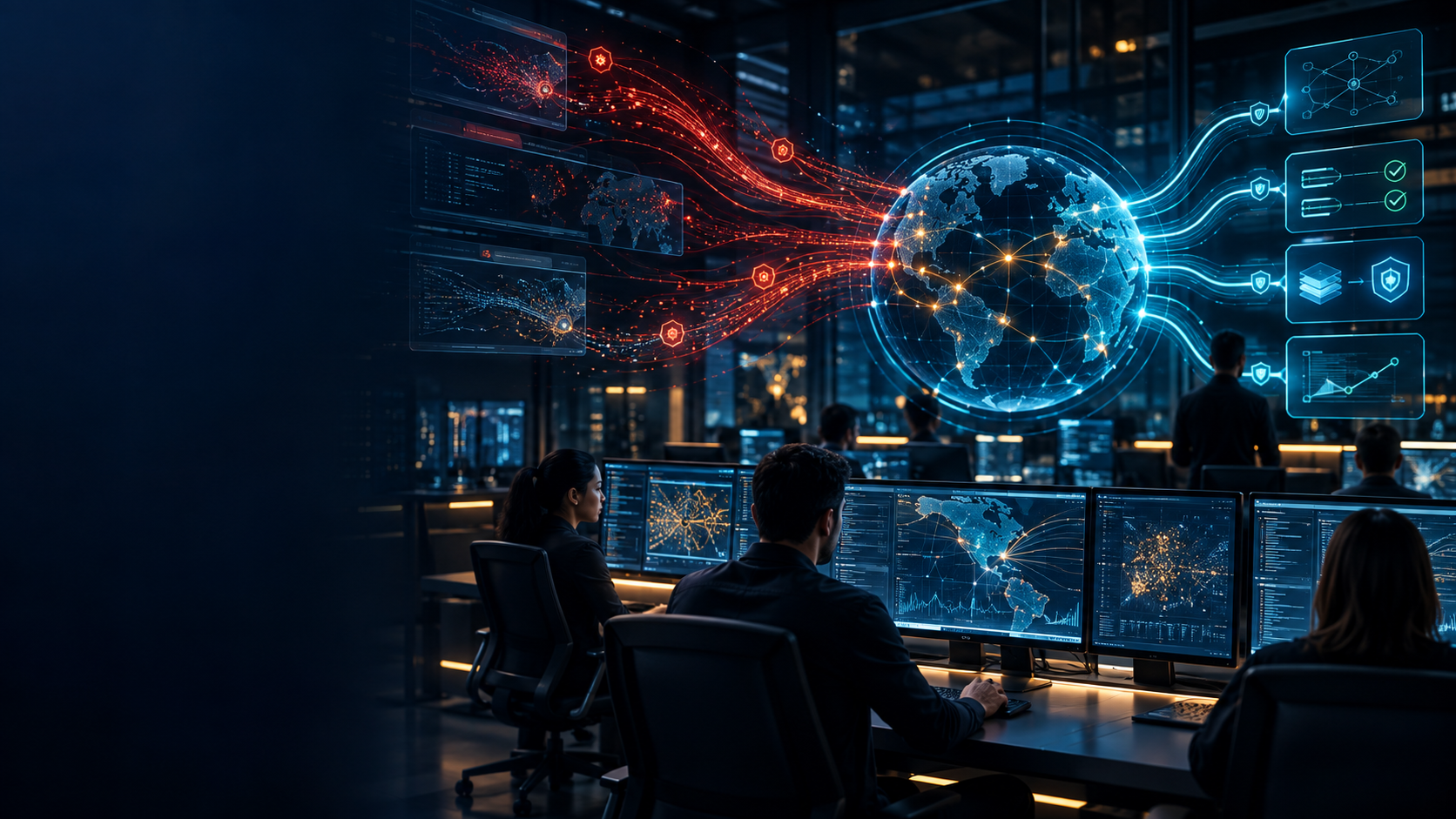


Advancements in Cybersecurity: Exploring Agentic AI for Enhanced Security Protocols
In an era where cyber threats evolve at an unprecedented pace, conventional security measures appear increasingly inadequate. Recent discussions highlight how industry experts are embracing a more pragmatic approach to cyber defense through the integration of Agentic AI in Security Operations Centers (SOCs). This transition is particularly critical as adversaries can move from initial access to active exploitation in mere minutes, thus exposing significant vulnerabilities within legacy detection frameworks.
The focus of this exploration is on utilizing autonomous AI agents capable of reasoning, planning, and validating defensive maneuvers in real-time. The recent webinar presented by Google Cloud aimed to shed light on this innovative strategy, emphasizing the necessity for organizations to rethink their security infrastructures. By leveraging advanced technologies, the goal is to close the gaps between exploitation and timely response.
During the session, participants delved into an architectural case study, which showcased how various components could synergize for improved cybersecurity outcomes. One of the key points discussed was the ingestion of threat intelligence, which plays a pivotal role in remaining proactive against potential breaches. Threat intelligence refers to the analysis and collection of data pertaining to cyber threats, enabling organizations to stay one step ahead of potential intruders.
Moreover, the implementation of synthetic log generation emerged as another critical factor. By creating artificial logs, organizations can simulate and analyze attack patterns without the immediate risk posed by actual vulnerabilities. This method serves to enhance the reliability of detection systems, ultimately allowing for a more robust defense mechanism.
Automated detection rule deployment was also a focal point of the discussion, highlighting the necessity for organizations to reduce the lag in response times to emerging threats. By implementing such automation, security teams can deploy compensating controls more swiftly, which is essential given the rapid progression of cyber threats. However, experts noted that achieving effective automated responses hinges on addressing established constraints that can hinder success.
Among these challenges are incomplete asset and identity inventories, which can significantly impede an organization’s visibility into its own digital landscape. Additionally, alert fatigue—where security personnel become overwhelmed by the volume of alerts—can lead to critical oversights. The need for human approval gates in certain decision-making processes further complicates the situation, often leading to slower response times and increased risk.
The session also emphasized the importance of understanding and mitigating the risks associated with autonomous decision-making. While leveraging AI allows for quicker responses, there are inherent risks that must be governed carefully. Balancing automation and human oversight becomes crucial in navigating these challenges effectively.
Participants were encouraged to register for the webinar to gain a more nuanced understanding of how threat intelligence, synthetic log validation, and automated detection engineering can collaboratively enhance defensive actions. Not only does this approach promise to accelerate reactive measures, but it also aims to move organizations beyond mere alert generation towards comprehensive containment and response readiness.
Moreover, the importance of addressing asset visibility gaps cannot be understated. Experts advised organizations to prioritize the enhancement of detection quality, as errors in AI agents can lead to significant failures in automated controls. By creating an observant and responsive security framework, organizations are better equipped to adapt to the rapidly evolving threat landscape.
In conclusion, the use of Agentic AI within Security Operations promises a paradigm shift in the way organizations approach cybersecurity. By fostering a more integrated and responsive security environment, organizations can enhance their ability to defend against increasingly sophisticated cyber threats. As technology continues to advance, the emphasis on collaboration between human intuition and artificial intelligence will be key to achieving a resilient security posture in the digital age.