
3rd Party Risk Management,
Governance & Risk Management
Recent Package Compromises Pushed Software Component Trust to the Security Agenda
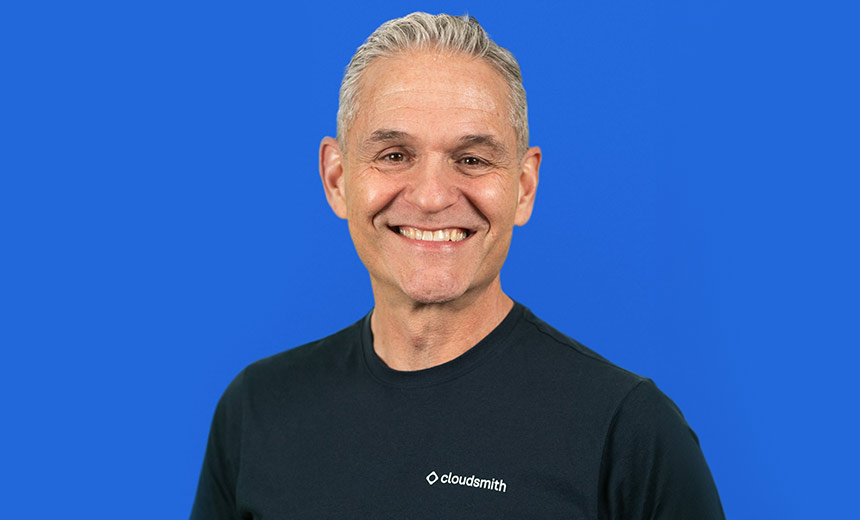
A recent financing round has highlighted an urgent need for enhanced security within software supply chains. Cloudsmith, an artifact management platform co-founded by a former chief officer at Twilio, successfully raised $72 million to strengthen security measures surrounding software components. This development underscores the increasing necessity for organizations to focus on secure software practices amid rising concerns about compromise and vulnerability.
The funding, led by TCV through a Series C financing round, will empower Cloudsmith—headquartered in Belfast, Northern Ireland—to introduce fortified policies, enhance auditing capabilities, and reduce the risks associated with malicious or compromised software packages. Glenn Weinstein, chief executive officer of Cloudsmith, revealed that this initiative enables the company to serve as a critical intermediary between developers and public repositories, thereby embedding a security layer within the artifact management process without requiring a shift in developers’ workflows.
Weinstein emphasized the importance of a robust artifact management system in ensuring a secure software supply chain. While this aspect had not been highlighted as a primary selling point previously, its relevance has surged in tandem with the evolving landscape of software development and cybersecurity threats. “With the advent of artificial intelligence dramatically changing software development, the supply chain has faced unprecedented levels of attack,” Weinstein noted. This escalation in cybersecurity threats indicates that a focus on software integrity and security is no longer optional but essential for organizations committed to safeguarding their digital assets.
How Private Registries Help Companies Vet, Approve Packages
Amid recent revelations of compromised packages and stolen maintainer credentials, vulnerabilities within modern development pipelines have come to the forefront of discussion. Weinstein pointed out that these incidents have heightened the engagement of security leadership in overseeing software construction and determining which components are deemed trustworthy. “We’ve observed various ingenious methods utilized to insert harmful code into the software supply chain,” he stated. As a result, the nature of application development and security has evolved from a secondary concern to a central focal point for Chief Information Security Officers (CISOs) and cybersecurity teams, moving from mere possibility to a mission-critical priority.
Private registries serve as a protective mechanism, assisting companies in vetting and approving software packages prior to their utilization by developers. This not only mitigates associated risks but also promotes consistency and auditability within development environments. Cloudsmith aims to offer developers and artificial intelligence systems insights into factors such as a package’s popularity, maturity, known risks, and suitability for specific applications rather than merely highlighting vulnerabilities.
While public registries provide invaluable services to the development community, Weinstein advocates for introducing an additional layer of policy and control between developers and these resources. This careful deliberation seeks to balance the benefits of public repositories with the necessity of protecting organizations from potential threats inherent in less-regulated environments.
An interesting dynamic arises as both AI agents and human developers interface with these systems. AI agents tend to demonstrate higher compliance with enforced policies, thereby allowing organizations to embed security controls more deeply into the development workflow without hampering efficiency. Nevertheless, it is crucial to ensure that these agents are supplied with high-quality context and enriched metadata to optimize their decision-making capabilities.
Why Cloudsmith Wants External Security Data for Its Platform
By integrating external security data from various tools, including vulnerability scanners and risk analysis platforms, Cloudsmith aims to enhance policy decisions and promote a more comprehensive understanding of software artifacts. This approach facilitates evaluation based on an amalgamation of factors such as exploitability, accessibility, and business context, leading to better-informed decisions regarding software security.
“Traditional artifact management platforms have offered limited scanning capabilities to flag vulnerabilities; however, we possess the capacity to synthesize multiple information sources through the Cloudsmith control plane,” Weinstein explained. This advancement allows the platform to provide developed products with nuance and depth, streamlining processes and facilitating a more proactive approach to vulnerabilities and security management.
Cloudsmith envisions a shift towards a system capable of continuous vulnerability monitoring, allowing organizations to directly map vulnerabilities against their artifacts. This real-time visibility helps organizations immediately comprehend their exposure to risks and respond with agility to emerging threats, substantially minimizing the need for redundant scanning procedures and enhancing both operational efficiency and developer satisfaction.
Moreover, as the complexity of software components expands—bolstered by the growing prevalence of containers and machine learning models—Cloudsmith recognizes an urgent need to maintain seamless and secure workflows. To address the challenges arising from the increased demands of artifact management, the organization is focusing efforts on advanced caching, pre-processing, and infrastructure optimization to ensure swift and reliable builds.
In conclusion, the security of the software supply chain has become an imperious requirement that demands the collaborative efforts of development, security, and operations teams. As companies continue to navigate an evolving threat landscape, a proactive stance on software integrity and security will become of paramount importance.