
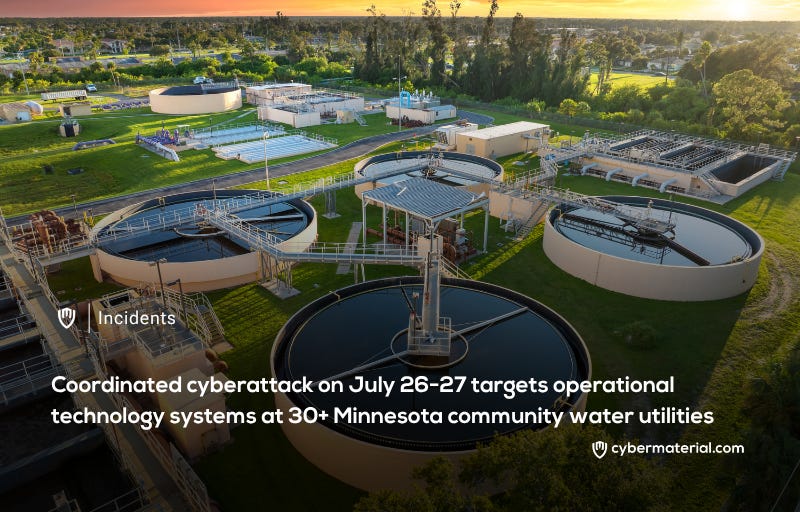
A significant cyberattack targeting operational technology systems occurred at over 30 community water utilities in Minnesota on July 26 and 27, 2024. This incident was confirmed by Minnesota IT Services (MNIT) in an official statement on July 28. The attack specifically aimed at systems that are crucial for managing the water infrastructure operations of these utilities.
Upon discovering the intrusion, MNIT promptly activated its cybersecurity incident response capabilities. The agency is collaborating with a wide variety of partners to control the situation and evaluate the extent of the compromise. Notably, the coordinated nature of the attack, impacting multiple facilities simultaneously, indicates a systematic campaign rather than random targeting, raising significant alarms about the implications of such a sophisticated threat.
Operational technology systems are integral to the functioning of water utilities, as they oversee critical operations including water treatment, distribution, and monitoring. If these systems are successfully compromised, various implications could arise, including adverse effects on water quality, pressure, or availability for the communities served by these utilities. However, the official statement from MNIT did not clarify whether any disruption in water services occurred or if the attackers succeeded in gaining control over physical processes.
This incident underscores the persistent vulnerabilities present in America’s critical infrastructure, particularly in smaller municipal utilities that may lack the robust cybersecurity resources typically available to larger entities. In recent years, water systems have increasingly become targets for cybercriminals, as well as nation-state actors. The cyberattack on multiple Minnesota water utilities mirrors a troubling trend, with several high-profile incidents reported across the United States.
In response to this recent threat, it is recommended that affected water utilities reassess their operational technology security measures. Essential steps include segmenting networks to isolate critical systems, implementing enhanced monitoring for any suspicious activities, and ensuring that all remote access to operational technology systems necessitates multi-factor authentication. Additionally, organizations should make sure that any default credentials are altered to bolster security.
While MNIT has not disclosed specific details regarding indicators of compromise or the vulnerabilities that may have been exploited during the attack, it is crucial for other utilities to adopt a posture of heightened vigilance. Given the coordinated style of the attack, there is a possibility that similar tactics could be employed against other facilities in the near future. Therefore, preventive measures are essential to fortify defenses against this emerging cybersecurity threat.
This cyberattack reveals not just the immediacy of the cybersecurity challenges facing municipal utilities but also highlights the broader implications for public safety and trust. Communities depend on reliable water services, and any compromise could shake public confidence. As cyber threats continue to evolve, the onus falls on all water utilities—large and small—to prioritize investments in cybersecurity and stay updated on the best practices to fend off potential threats.
Cybersecurity experts emphasize that a proactive approach is vital to mitigating risks. This includes regular training for staff on recognizing suspicious activity, investing in advanced security technologies, and participating in information-sharing initiatives with other utilities to foster resilience against evolving cyber threats.
In conclusion, the recent coordinated cyberattack on Minnesota’s community water utilities serves as a stark reminder of the vulnerabilities within critical infrastructure and underscores the urgent need for enhanced cybersecurity measures. As the threat landscape continues to expand, it is essential for utilities to not only respond to such incidents but to anticipate and mitigate future risks, ensuring the safety and quality of water for the communities they serve.