
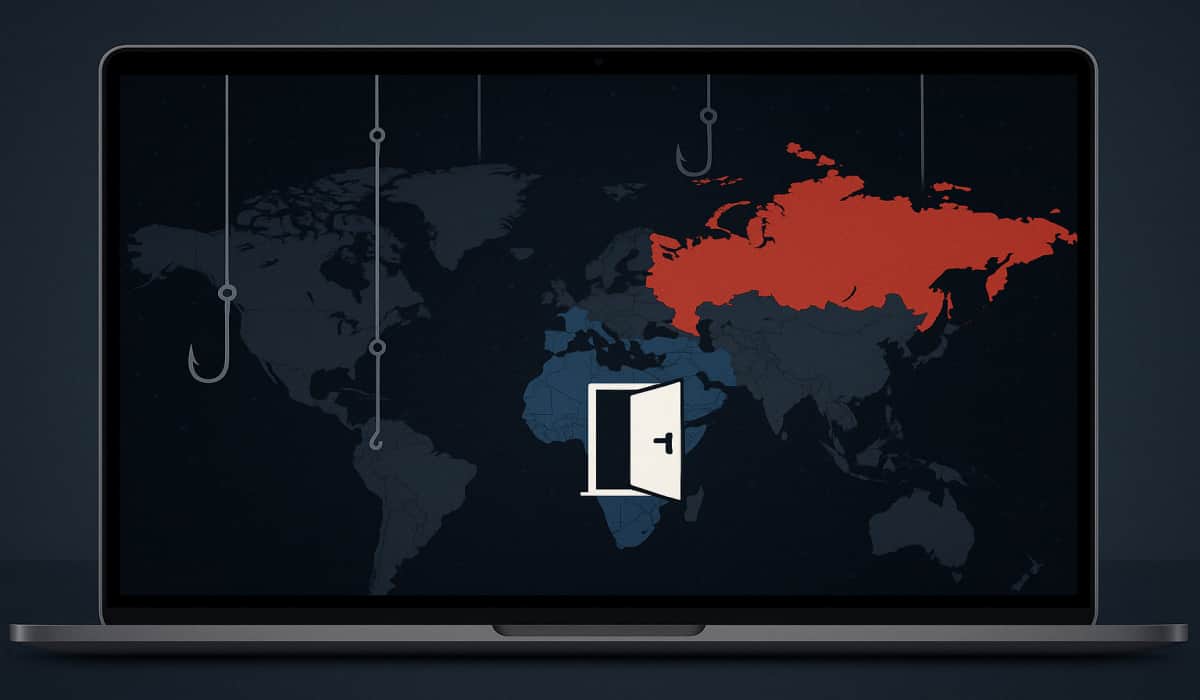


The ongoing cyber espionage campaign by the Russian government-backed hackers known as Midnight Blizzard, APT29, or Cozy Bear, has escalated with a new wave of sophisticated phishing attacks targeting European embassies and Ministries of Foreign Affairs. This malicious activity, which began in January, involves sending out deceptive emails disguised as wine tasting invitations to diplomatic organizations across Europe.
According to findings from researchers at Check Point Research (CPR), the hackers behind this operation have introduced a new malware called ‘GrapeLoader’ to infiltrate systems. Once inside, they deploy an updated version of a backdoor program called ‘WineLoader’ to carry out their spying activities. The attackers leverage the guise of official invitations from Ministries of Foreign Affairs to lure recipients into clicking on malicious links that lead to the download of a file named “wine.zip.” This file contains GrapeLoader, which, when activated, copies itself to the computer’s hard drive and sets up a program to run automatically on startup, ensuring persistent access for the hackers.
The WineLoader backdoor, which is part of this campaign, is a sophisticated tool designed to extract sensitive information from infected computers. This new iteration of WineLoader features advanced code-hiding techniques, making it more challenging to detect compared to previous versions. It collects valuable data such as IP addresses, program names, Windows usernames, and process IDs to aid in cyber espionage operations targeting diplomatic entities.
The use of GrapeLoader and WineLoader underscores the evolving tactics employed by nation-state actors in conducting espionage operations. The hackers behind this campaign are specifically focused on targeting European Ministries of Foreign Affairs and embassies, highlighting the ongoing threat posed by sophisticated cyber attacks on diplomatic communications and systems. This discovery serves as a stark reminder for diplomatic organizations to bolster their cybersecurity defenses, remain vigilant against phishing attacks, and educate staff about the risks posed by malicious actors.
As the cyber threat landscape continues to evolve, it is imperative for organizations, particularly those in sensitive sectors like diplomacy, to stay informed about emerging threats and implement robust security measures to safeguard their critical systems and information. The incident involving Midnight Blizzard’s phishing campaign underscores the need for constant vigilance and proactive cybersecurity practices to mitigate the risks posed by malicious actors seeking to exploit vulnerabilities for their own gain.