
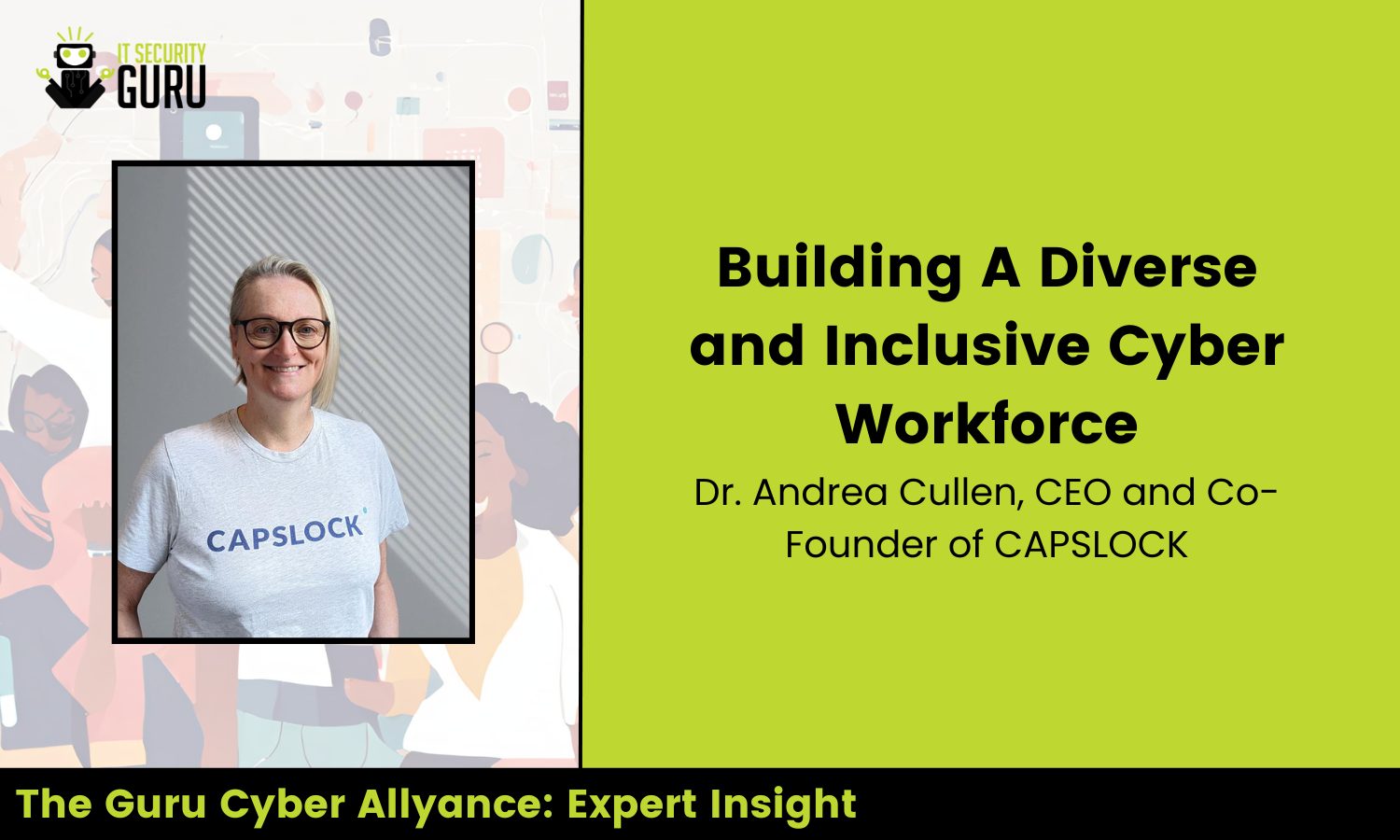


In a panel discussion at DTX Manchester, a key topic of conversation will be the significance of inclusion and diversity in cyber recruitment. Historically, the field of cybersecurity has been dominated by men, with a prevalent image of a boy’s club that has proven difficult to shake. This lack of diversity has not only hindered the industry’s progress but has also created a narrow perspective in addressing cyber threats.
However, the landscape is slowly shifting as organizations begin to realize the value of diverse perspectives, backgrounds, and genders in tackling cybersecurity challenges. It is no longer sufficient to rely solely on technical qualifications when recruiting for security teams. Instead, organizations are recognizing the need for problem solvers, multi-taskers, and leaders from a variety of backgrounds to enhance their cybersecurity defenses.
Diversity in cybersecurity teams is crucial for building resilience against the constantly evolving cyber threats that organizations face today. By bringing together individuals with different experiences and viewpoints, organizations are better equipped to innovate their cyber defenses and enhance overall security measures. This also fosters inclusivity within the industry, encouraging a wider range of people to consider careers in cybersecurity.
At the upcoming DTX Manchester event, attendees will have the opportunity to learn about strategies for diversifying cyber recruitment and creating inclusive teams. The session will highlight how incorporating individuals from non-traditional backgrounds, such as nursing, dancing, taxi driving, and stay-at-home parenting, can contribute to a more innovative and resilient cybersecurity workforce.
In the battle against cyber criminals, it is essential to expand the pool of defenders to include individuals with diverse skills and perspectives. Cyber threats do not adhere to a uniform set of rules, and combating them requires a multifaceted approach that values the contributions of all team members. By embracing diversity and encouraging a broad range of perspectives, organizations can better defend against the ever-changing landscape of cyber risks.
If you are interested in learning more about building a resilient cyber workforce and embracing diversity in cybersecurity, be sure to attend the session at DTX Manchester on Thursday, May 23rd. The discussion will explore how teams can harness neurodiversity and different perspectives to effectively defend against evolving cyber threats. This event promises valuable insights into the future of cybersecurity recruitment and the importance of inclusivity in combating cyber risks.