
Cybersecurity Briefing: Recent Threats and Regulatory Actions
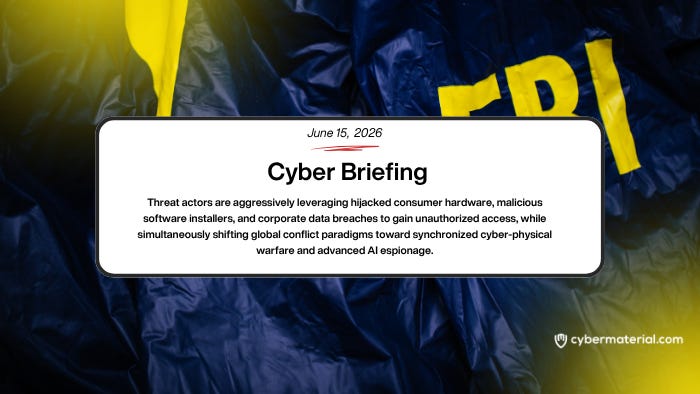
In the ever-evolving landscape of cybersecurity, significant developments have emerged recently that demand attention from both individuals and organizations alike. Key incidents include Russian intelligence agencies employing sophisticated tactics, ongoing data breaches, and global regulatory scrutiny on leading tech companies.
One of the most alarming developments is attributed to the Russian military intelligence faction known as APT28, also recognized as Fancy Bear or Forest Blizzard. This group has successfully hijacked home and small office routers to conduct extensive espionage activities. By manipulating the internet traffic through compromised routers, APT28 was able to monitor communications and glean sensitive information from unwitting users. Their methods involved changing Domain Name System (DNS) settings to redirect traffic to servers controlled by the attackers. As a result, the FBI and the Justice Department have intervened to disrupt these operations. This emphasizes the necessity for individuals to regularly update their router firmware, change default passwords, and disable remote management features. Failure to do so may expose personal and organizational data to malicious actors.
While APT28’s activities raised alarm bells globally, another more insidious threat has been identified in the form of Argamal malware. Kaspersky, a notable cybersecurity research firm, uncovered this malware hidden within installers for adult games, particularly those shared on torrent sites. Cybercriminals utilized these seemingly harmless files to install backdoor access on users’ systems, thereby allowing them to execute remote commands and pilfer data. This development highlights the critical importance of exercising caution when downloading applications from non-verified sources.
Moreover, the hospitality sector is grappling with its own challenges. BWH Hotels, the parent company of Best Western and WorldHotels, has reported a significant data breach that persisted for over six months. The breach compromised sensitive guest reservation details, putting affected individuals at risk of targeted phishing scams and identity theft. Customers are being urged to remain vigilant for any suspicious communications that could lead to fraudulent activities.
In a broader context, concerns regarding national security and advanced technologies have led the White House to take action against Anthropic’s Mythos AI system. Reports have surfaced that a China-linked group potentially accessed this AI model, raising fears of reverse engineering. Distillation models could allow adversaries to replicate advanced capabilities without possessing the original technology. The White House’s response underscores the intricate relationship between cybersecurity and national security, as vigilance in safeguarding technological advancements becomes a paramount concern.
Regulatory scrutiny is intensifying across the board, particularly aimed at industry giants like OpenAI. A coalition of state attorneys general has issued subpoenas to OpenAI, requesting internal documents related to their data handling practices and policies concerning child safety. This scrutiny aligns with growing apprehension surrounding the implications of AI technology, particularly after several incidents involving children being harmed due to unsupervised use of AI systems. OpenAI has stated its willingness to cooperate with investigations while also emphasizing the improvements made to parental controls in newer versions of its systems.
Adding a layer of complexity, modern warfare has shifted dramatically to integrate cyber warfare, electronic attacks, and drone strikes. This concept of hybrid warfare has been evidenced in various global conflicts, notably in Ukraine and between Iran and Israel. Cyberattacks have been synchronized with missile strikes, and adversaries have taken proactive measures to compromise critical infrastructures, such as energy grids, months prior to any visible military operations. Such strategies extend disruptions beyond immediate battlefields, affecting civilian applications like aviation and shipping across Europe.
In conclusion, it is clear that the domain of cybersecurity is witnessing unprecedented threats and developments. The convergence of espionage tactics, data breaches, and national security concerns underscores the imperative for heightened vigilance and proactive measures by individuals, organizations, and regulators alike. As the threat landscape evolves, so too must the strategies employed to safeguard personal, organizational, and national interests. Awareness coupled with technological advancements can serve as effective deterrents against the tide of cybercrime and related threats.