
Cybersecurity Threat Update: Evolving Risks and Innovations
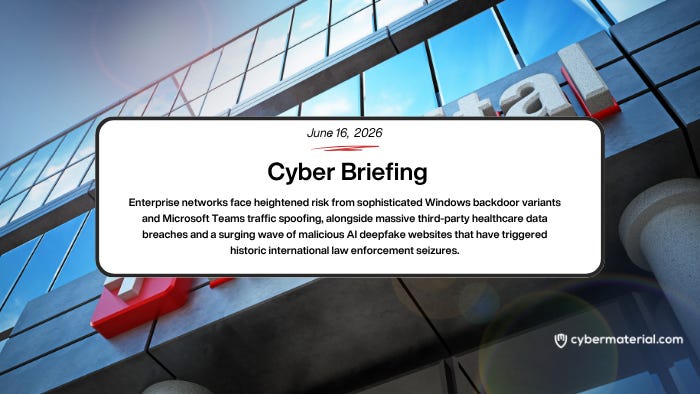
In an evolving landscape of cybersecurity threats, recent studies have shown a marked increase in the sophistication of cyber attack tactics utilized by advanced actors. ESET researchers have uncovered that the SprySOCKS backdoor, which was previously confined to Linux systems, has now adapted to infect Windows environments through newly developed variants labeled WIN_DRV and WIN_PLUS. These new versions incorporate hard-coded command-and-control configurations and allow both TCP and UDP protocols for communication. Organizations operating on Windows are urged to monitor their network traffic for any unusual connections while updating their endpoint protection systems to recognize these novel threats.
Along with the emergence of the SprySOCKS variants, the DragonForce ransomware group has been leveraging Microsoft Teams to mask its communication channels. By embedding its malware, identified as Backdoor.Turn, within the established relay infrastructure of Teams, the group has effectively obscured its malicious transactions within ordinary business communications. This sleight of hand poses significant challenges for security teams tasked with detecting and mitigating such covert operations. Companies using Microsoft Teams are advised to scrutinize their network activity and enhance their monitoring practices to identify any unusual relay patterns.
Beyond these direct cyber threats, the cybersecurity landscape is facing broader challenges, including structural software transformations and regulatory hurdles. Enterprises are increasingly adopting “headless ERP” architectures, a model allowing them to create customized AI-driven interfaces that operate independently from traditional systems like SAP. This transition appears to be heavily influenced by a study from Rimini Street, which indicated that 70% of surveyed executives do not envision traditional ERPs as their future strategic choice. This shift reflects an industry trend toward modular, API-driven approaches, and AI-enhanced autonomous systems, as companies look to optimize operational efficiency.
The healthcare sector is currently grappling with widespread data breaches as evidenced by incidents involving Clinical Registry Solutions in New York and VHC Health in Virginia. The breaches disclosed highly sensitive patient information, including names and Social Security numbers, due to vulnerabilities in third-party services. In an effort to support affected patients, all three organizations involved have initiated offers of complimentary credit monitoring and identity theft protection services.
On a regulatory front, recent actions by US and French authorities mark significant developments in combatting nonconsensual intimate imagery, especially in the realm of deepfake pornography. The implementation of the TAKE IT DOWN Act has enabled these authorities to seize two prominent deepfake sites, CFake.com and SOCFake.com, while arresting an alleged operator whose site hosted a staggering volume of unlawful content. The necessity for such measures is underscored by a 257% rise in deepfake incidents throughout 2024, with a specific focus on instances involving minors.
Complementing these enforcement efforts, innovations in security operations are being explored to counteract “infostealer” attacks, which have increasingly become a point of concern for cybersecurity professionals. Sophos has introduced a multi-layered AI detection system that reduces the volume of alerts from an overwhelming 11.8 trillion potential events down to approximately 81,573 actionable alerts. This comprehensive system employs a combination of rule-based detectors and machine learning models, helping analysts prioritize genuine threats effectively, thereby addressing the critical issue of alert fatigue often experienced in Security Operations Centers (SOCs).
These evolving dynamics highlight the dual challenges of adapting to advanced cyber threats while embracing new technologies that can both enhance operational capabilities and mitigate risks. As organizations adjust to these changes, the importance of vigilance cannot be overstated. There is a clear need for enterprises and security teams to stay informed about current trends and implement robust defenses tailored to the unique challenges they face in the contemporary threat landscape.