
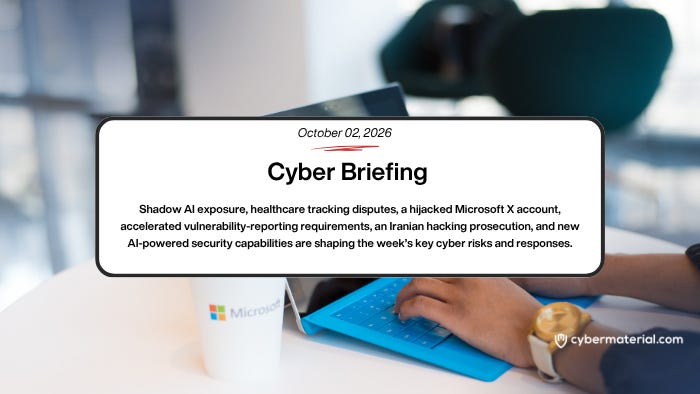


In a rapidly evolving digital landscape, several key issues related to cybersecurity have emerged, drawing significant attention from organizations, regulatory bodies, and the general public. Recent developments underscore the growing threat posed by shadow AI, privacy concerns in healthcare, and the increased collaborative efforts to combat cybercrime—a collaboration bolstered by advancements in artificial intelligence tools.
### Shadow AI Raising Security Concerns
Shadow AI, defined as the use of unauthorized generative AI tools by employees, poses significant challenges for organizations. According to the UK’s National Cyber Security Centre, this unauthorized usage creates substantial security gaps, allowing sensitive data to become vulnerable. Many employees are circumventing established corporate policies to access AI services without organization oversight, which can lead to the unintended transfer of critical information beyond company controls.
Experts emphasize that organizations must implement robust technical controls across their networks and endpoint devices. This includes utilizing secure enterprise browsers that monitor which AI services employees engage with. The necessity for thorough oversight is clear: policies alone can no longer suffice in safeguarding sensitive data.
### Legal Accountability in Healthcare Sector
In a related concern regarding privacy, two healthcare providers, Fairchild Medical Center in California and Boone Health in Missouri, have settled class action lawsuits alleging improper disclosure of patient data. These allegations stemmed from their use of tracking technologies, such as Meta Pixel and Google Analytics, which reportedly transmitted patient information to third parties without consent.
Fairchild Medical Center has agreed to compensate around 1,000 patients $25 each and offer one year of identity protection services, while Boone Health will provide approximately $20 to affected patients along with an additional 12 months of protection. Though both organizations deny any wrongdoing, the settlements aim to avoid extensive litigation costs and represent a significant acknowledgment of the pressing legal implications in the healthcare sector related to data privacy.
### The Compromise of Microsoft’s Social Media Account
Another striking incident underscored the vulnerabilities in corporate cybersecurity defenses when hackers gained access to Microsoft’s official X (formerly Twitter) account. By exploiting this verified account, the attackers were able to promote a cryptocurrency scam using a well-known Clippy theme. With a following of approximately 13 million, this breach highlighted the urgent need for organizations to bolster their social media account security measures. Experts recommend implementing multi-factor authentication and regularly monitoring for unauthorized posts to mitigate risks.
### European Regulations and Automated Vulnerability Reporting
In light of the growing cyber threats, the EU has introduced the Cyber Resilience Act (CRA), effective from September 11. This regulation mandates that vendors of internet-connected hardware and software report any actively exploited vulnerabilities or severe incidents within 24 hours, irrespective of their location. This act extends to a wide range of technologies including security software, routers, and operating systems, emphasizing the need for manufacturers to integrate security into product design from the outset.
This stringent requirement necessitates that organizations automate their vulnerability triage processes, challenging the traditional manual methods that can no longer keep up with the regulatory deadlines. Security experts warn that without automation, effectively delivering compliance and ensuring protection against exploits will become increasingly difficult.
### Extradition of Iranian State Hacker
In an unusual enforcement move, Amir Barati, an alleged member of Iran’s Mabna Institute hacking group, has been extradited to the United States. His extradition marks a significant milestone as state-sponsored hackers typically evade prosecution. Barati faces charges related to cyber intrusions that targeted academic institutions, private enterprises, and governmental bodies, indicating an intensified effort to hold cybercriminals accountable, especially those linked to state actors.
### Advancements in AI for Cybersecurity
Amidst these concerns, advancements in AI are being leveraged to enhance cybersecurity measures. Google has recently unveiled the Gemini 4 Argon model, an AI designed for a variety of applications including coding and vulnerability detection. Initially available to trusted security teams, this model boasts a substantial output capability of up to 1 million tokens, significantly improving the efficiency of risk detection in enterprise settings. The model has already proven its worth by discovering critical vulnerabilities in healthcare software that had previously gone unnoticed by earlier AI versions.
Google has implemented multiple safety measures for this model, including real-time monitoring and restrictions on functionalities that could be exploited by untrusted users. This advancement not only highlights the potential of AI in fortifying cybersecurity but also signals an essential shift in how organizations might approach their security strategies moving forward.
### Conclusion
As the digital landscape continues to evolve, organizations are faced with a myriad of challenges ranging from shadow AI and privacy litigation to sophisticated cyber attacks targeting corporate accounts. Coupled with stringent regulatory demands and evolving AI capabilities, the necessity for robust cybersecurity measures has never been more crucial. The convergence of these factors underscores a pressing need for organizations to prioritize their cybersecurity frameworks to safeguard against increasingly advanced and persistent threats.