


Cybersecurity Update: April 8, 2026
In the evolving landscape of cybersecurity, a series of alarming incidents have surfaced, drawing attention to escalating threats and vulnerabilities. Each report serves as a reminder of the constant battle organizations face against cybercriminals, particularly as ransomware groups and malicious hackers exploit system weaknesses and zero-day vulnerabilities.
Emerging Risks and Threats
Cyber Briefing, a dedicated cybersecurity newsletter, focuses on delivering pivotal insights through weekday updates. The latest reports cover a spectrum of incidents, underscoring that the cybersecurity landscape remains precarious.
WordPress Plugin Vulnerability
A critical vulnerability has been identified in a commonly used WordPress plugin, which poses a substantial risk to numerous websites globally. This cross-site scripting (XSS) vulnerability can be exploited en masse, impacting all sites utilizing the affected plugin—regardless of their size or traffic levels. This finding underscores the urgency for website administrators and developers to promptly update the plugin or secure assistance from technical resources to mitigate potential risks and protect site integrity.
Flowise Vulnerability (CVE-2025-59528)
Attackers have been actively seizing a critical flaw in the Flowise platform, listed as CVE-2025-59528, which allows for the malicious execution of code due to insufficient validation of JavaScript inputs. Versions of Flowise up to 3.0.5 are vulnerable. Users are being urged to upgrade to version 3.0.6 as soon as possible to prevent system compromise and safeguard sensitive information.
Fortinet’s EMS Zero-Day Flaw
A zero-day vulnerability in Fortinet’s FortiClient Endpoint Management Server (EMS) has reportedly been exploited by malicious actors since March. This flaw enables unauthorized remote code execution, affecting versions 7.4.5 and 7.4.6. Fortinet has issued a temporary hotfix while a more permanent solution is expected to be available in version 7.4.7. Organizations operating on-premises deployments must apply the hotfix without delay, scrutinize logs for anomalies, and be ready to act if evidence of compromise surfaces.
Brockton Hospital Cybersecurity Incident
In Massachusetts, Signature Healthcare Brockton Hospital is navigating a cybersecurity crisis that has led to significant disruptions in its digital information systems. To ensure patient safety, the hospital has reverted to manual record-keeping procedures. Fortunately, officials have indicated that there is currently no indication that sensitive data has been jeopardized, providing a silver lining amidst the chaos.
Iranian Hackers Target U.S. Critical Infrastructure
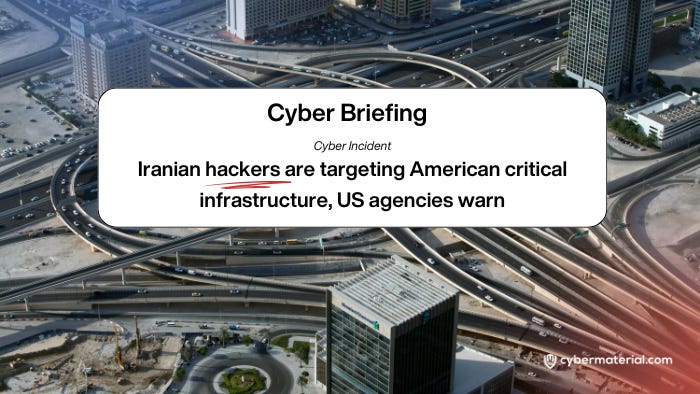
Cybersecurity experts have reported an uptick in operations by Iranian government-backed hackers targeting critical U.S. infrastructure, including the water, energy, and local government sectors. These attacks manipulate industrial control systems and have caused operational disruptions and financial losses. As a result, organizations operating in these areas need to enhance cybersecurity protocols and remain ever-vigilant against emerging threats.
Data Breach in State-Run Supercomputer
In an alarming breach, a hacker reportedly infiltrated a Chinese state-run supercomputer, absconding with approximately 10 petabytes of sensitive data, including missile schematics and aerospace research—potentially marking one of the largest data heists in Chinese history.
Mitigation Strategies and Recommendations
The cybersecurity community remains vigilant and proactive amid rising threats. Authorities and cybersecurity professionals recommend organizations adopt robust cybersecurity strategies that include:
-
Immediate Updates: Ensure all software and plugins are up-to-date with the latest security patches.
-
User Permissions Audit: Limit administrator access to critical systems and review all accounts regularly to reduce potential vulnerabilities.
-
Web Application Firewalls (WAFs): Implement WAFs to help prevent common attack vectors associated with vulnerabilities.
-
Regular Backups: Maintain up-to-date backups of all critical data to facilitate recovery in case of successful cyber attacks.
- Incident Reporting Protocols: Develop and establish extensive reporting protocols for cybersecurity incidents to enhance response mechanisms.
As these developments unfold, the importance of staying informed and prepared cannot be overstated. The cybersecurity sector continues to exhibit resilience, with notable advances being made alongside persistent threats. Fund managers and stakeholders are recognizing the ongoing ‘Cybersecurity Super-Cycle,’ reinforcing that priority spending on security remains essential as organizations head into new fiscal periods.
Cybersecurity experts emphasize the need for relentless vigilance, continuous improvement, and adaptation of cybersecurity measures to combat the growing threat landscape effectively.
As the situation evolves, organizations are reminded to prioritize cybersecurity as a critical business imperative, thereby safeguarding both their assets and stakeholders from increasingly sophisticated threats.