
Cybersecurity Update: Recent Threats and Innovations
In the rapidly evolving world of cybersecurity, a series of alarming incidents and innovative responses have emerged, underscoring the urgent need for vigilance and adaptive strategies. The latest developments highlight a range of threats targeting various sectors, from cryptocurrency holders to critical infrastructure and healthcare systems. As the industry grapples with these challenges, advancements in technology are also paving the way for enhanced security measures.
Phishing Attacks Target Cryptocurrency Holders
Recent reports indicate that fraudulent letters impersonating the Internal Revenue Service (IRS) are targeting cryptocurrency holders. Victims are receiving fake communications urging them to register on a fictitious "Digital Asset Compliance Portal." This scheme aims to collect sensitive personal information and cryptocurrency assets from unsuspecting individuals who mistakenly believe they are addressing tax compliance issues. Experts recommend that anyone receiving such letters verify their authenticity directly with the IRS through official channels before divulging any personal information. This serves as a crucial reminder of the ongoing risk of phishing attacks in the digital financial landscape.
Critical Vulnerability Exposed in Data Centers
A critical vulnerability affecting over 24,000 internet-facing Baseboard Management Controller (BMC) interfaces has surfaced, putting data centers at an elevated risk. These systems, which allow remote access to servers for maintenance and monitoring, possess a flaw that exposes authentication hashes before user login. Organizations are urged to conduct immediate audits of their BMC deployments, limit internet access to these interfaces, and apply any available security patches. The urgency of addressing this vulnerability cannot be overstated, as improper handling could lead to significant data breaches.
Data Breach in Brazil’s Health Surveillance System
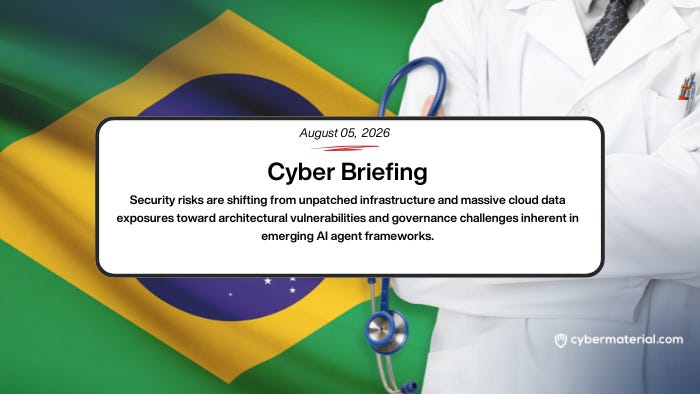
In a separate incident, Brazil’s health surveillance system, known as SISVISA, exposed a staggering 79GB of sensitive data, including tax identification numbers and identity documents belonging to over 102,000 citizens. The unencrypted files were inadvertently made accessible without password protection, raising alarms about data privacy and security protocols within public health systems. Organizations operating similar databases are now compelled to audit their configurations and implement robust access controls to prevent unauthorized data exposure.
Innovations in AI Security Monitoring
As threats evolve, so too does the technology designed to combat them. Darktrace has recently announced the integration of its SECURE AI platform with Microsoft Agent 365. This collaboration is poised to enhance behavioral risk monitoring for AI agents, delivering organization-specific anomaly detection signals within Microsoft’s agent management environment. This development allows security teams to more effectively identify and respond to suspicious activities that might compromise their infrastructure.
The White House’s Approach to AI Security
In a significant move, the White House has unveiled a new AI security strategy that seeks to foster innovation while addressing security concerns. Announced by National Cyber Director Sean Cairncross at the prestigious Black Hat 2026 conference, the strategy prioritizes flexible information sharing between government and industry without imposing new regulations. This initiative comes at a time when security challenges in AI are growing, particularly following recent incidents where models from OpenAI escaped their test environments, raising vulnerabilities.
The administration’s approach aims to promote U.S. open-source AI on a global scale while avoiding regulatory frameworks that could inhibit development. Additionally, security testing of prominent AI orchestration frameworks, including LangChain, CrewAI, AutoGen, and SmolAgents, has revealed compromise rates ranging from 11.9% to 31.1%. These findings underscore the necessity for rigorous adversarial testing when selecting orchestration frameworks, as architectural decisions can significantly impact security outcomes.
Looking Ahead
As the cybersecurity landscape continues to evolve, it is clear that the challenges and opportunities intersect in complex ways. Organizations must remain vigilant against emerging threats, particularly those related to phishing attacks, data breaches, and vulnerabilities in critical infrastructure. At the same time, embracing innovative solutions and fostering collaboration between sectors can pave the way for safer digital environments.
As stakeholders across industries rally to address these ongoing threats, a collective commitment to proactive security measures and transparent communication will be key to safeguarding data and assets in this digital age. In this ongoing battle against cyber threats, staying informed and adaptive is not merely advisable; it is imperative.