
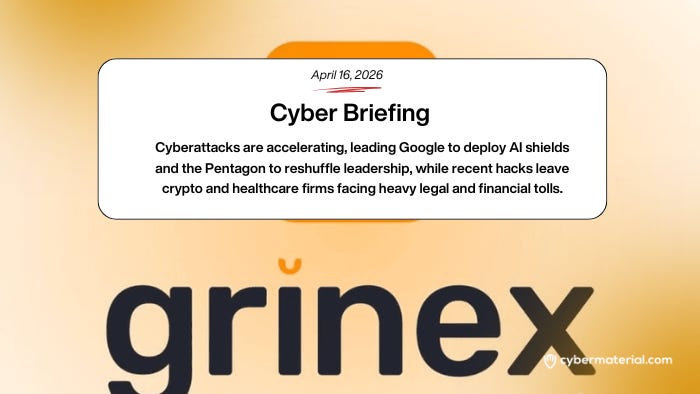


Cybersecurity Briefing: Current Threat Landscape and Remedial Measures
The realm of cybersecurity is currently navigating through an intense landscape characterized by rapid exploitation of vulnerabilities and evolving regulatory frameworks. Several high-profile security issues have emerged, drawing attention to major players like Microsoft and Apache, while nation-state actors continue to pose a significant risk through sophisticated attacks.
Major Vulnerabilities Under Attack
Recent reports indicate that critical vulnerabilities have been identified and actively weaponized in both Microsoft Defender and Apache ActiveMQ. Specifically, Microsoft Defender is facing an elevation-of-privilege flaw known as “BlueHammer” (CVE-2026-33825). This flaw, which permits local attackers to gain SYSTEM-level access, exploits a race condition during the signature update process. In light of this vulnerability, security experts stress the urgent need for organizations to ensure their Defender Antimalware Platform is upgraded to version 4.18.26050.3011 or higher as part of their risk mitigation efforts.
In another alarming development, CISA has integrated a high-severity code injection vulnerability (CVE-2026-34197) in Apache ActiveMQ into its Known Exploited Vulnerabilities (KEV) catalog. This flaw has lingered in the codebase for 13 years, allowing authenticated attackers to execute arbitrary code. It can be coupled with older vulnerabilities to enable unauthenticated remote access into systems. Network administrators are advised to act swiftly to update their systems to versions 5.19.5 or 6.2.3 to thwart further exploitation attempts.
Social Engineering and State-Sponsored Threats
The North Korean hacking group, Sapphire Sleet, has been reported to target macOS users through an intricate social engineering campaign masquerading as a “Zoom SDK Update.” This initiative tricks users into manually running a malicious AppleScript, effectively circumventing macOS security features like Gatekeeper and TCC. The group’s methods reveal a chilling new frontier in cyber threats, highlighting the importance of vigilance among users, who must be cautious about unexpected software update prompts and exclusively utilize software sourced from verified, official avenues.
Consequences of Past Cyber Failures
The consequences of prior cybersecurity lapses are still unfurling. In recent incidents, two senior care providers—Windward Life Care in California and Legend Senior Living in Kansas—announced the notification of over 37,000 individuals regarding breaches stemming from ransomware attacks that transpired in late 2025. Identification has laid blame on the Sinobi and Worldleaks threat groups, which have exfiltrated and leaked sensitive data, including Social Security numbers and medical records, after ransom demands were reportedly not met. Consequently, the affected organizations have begun offering extended credit monitoring and identity theft protection services to those compromised.
Additionally, the cryptocurrency exchange Grinex has suspended operations following a significant cyberattack that resulted in the theft of approximately 1 billion Russian rubles (around $13.1 million). This exchange, heavily linked to the Russian crypto ecosystem, reported that attackers involved “special services” from “unfriendly states” drained funds from 54 separate wallets. Analytics show the stolen assets were quickly converted from USDT, TRX, and ETH to circumvent potential freezing—marking one of the most impactful targeted breaches on a sanctioned exchange to date.
Strengthening Cybersecurity Measures
In a proactive response to growing threats, Google has harnessed its Gemini AI technology to combat harmful online activities. The recently released 2025 Ads Safety Report demonstrates that the AI was successful in neutralizing 602 million scam-related advertisements while suspending 4 million associated accounts. This significant move underscores the urgency of modernizing defensive measures, given that bad actors also leverage advanced AI tools to produce misleading content at an unprecedented scale.
Simultaneously, Chris Gibson, CEO of the global incident response alliance FIRST, spoke at the VulnCon 2026 summit about the alarming trend that the “mean time to exploit” vulnerabilities has drastically decreased from weeks to mere hours. Gibson emphasized the necessity for a coordinated global reaction to these changes, advocating for heightened collaboration among significant AI firms and traditional disclosure authorities to address the vulnerabilities effectively.
Legal Ramifications of Cyber Threats
Emerging legal precedents concerning cryptocurrency and asset recovery continue to materialize. Notably, Circle, a stablecoin issuer, found itself embroiled in a class-action lawsuit after the $280 million exploit of the Drift Protocol on April 1, 2026. The lawsuit alleges that Circle neglected its duty by failing to freeze approximately $230 million in stolen USDC as it transitioned to Ethereum over a six-hour window, raising questions concerning the accountability and obligations of stablecoin issuers in times of crisis.
Consequently, the Department of Defense (DoD) has undertaken significant strategic restructuring within its Office of the Chief Information Officer. New appointments have been made, streamlining efforts to accelerate its “Department-wide Digital Modernization” initiative. This restructuring is essential as the Pentagon aims to bridge the gap between commercial technological innovations and military operations, ensuring robust defenses against future threats.
In summary, the cybersecurity landscape is rapidly evolving, requiring organizations to remain vigilant and proactive in their defense strategies. The combination of advanced AI technologies, robust incident response frameworks, and updated legal ramifications will be crucial for addressing the imminent challenges that await. As the cyber realm continues to innovate, so must the responses to safeguard against these persistent threats.