
Cybersecurity Developments: Major Updates from Microsoft, Kodak, Google, and More
In the dynamic realm of cybersecurity, significant developments have emerged that are crucial for both enterprise security and customer protection. This latest update includes crucial fixes from tech giant Microsoft and alarming news regarding a security breach at Eastman Kodak, along with regulatory actions and advancements in authentication technologies.
Microsoft Resolves Update Issues for Windows Server 2016
A notable resolution has come from Microsoft, which successfully addressed a critical issue affecting Windows Server 2016 administrators. This issue was specific to the June 2026 security updates that failed to install due to a bug linked to the previous month’s security patch. The error code 0x80070002, which indicates a "file not found" problem, was reported by users who had not installed the May update prior to attempting the June update. Microsoft has since confirmed that this issue is now resolved, and administrators can proceed with updates without facing further installation failures.
This development is significant for organizations reliant on Windows Server 2016, as delayed updates can expose systems to vulnerabilities. By resolving this problem, Microsoft has helped to ensure that its enterprise users can maintain a more secure computing environment.
Kodak Confirms Breach: Data Threat from ShinyHunters
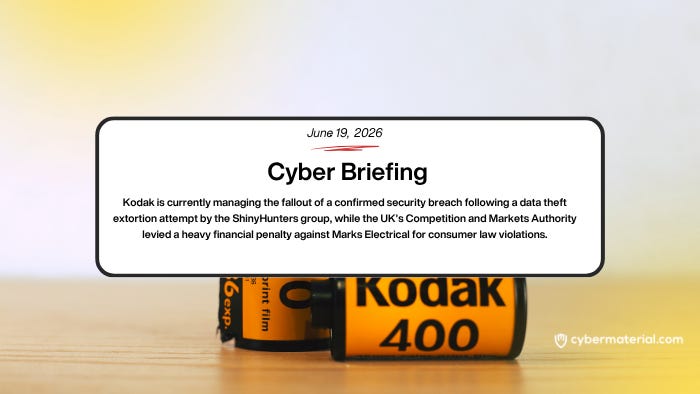
In a disconcerting turn of events, Eastman Kodak has confirmed that it suffered a security breach, with the extortion group known as ShinyHunters claiming to have stolen over 2.2 million records. The compromised data reportedly includes personal information from customers as well as internal corporate records. The group had threatened to leak this sensitive information after a deadline of June 18.
Kodak has stated that it believes the breach has been contained and has posed no ongoing threat to its operational systems. The company has engaged external cybersecurity experts and law enforcement to manage the situation. Affected customers have been advised to change their passwords immediately, activate multi-factor authentication, and remain vigilant for phishing attempts that commonly follow such breaches. While Kodak aims to reassure its users, the incident underscores ongoing vulnerabilities in corporate cybersecurity measures.
Google Enhances reCAPTCHA with Hand Gesture Verification
In a bid to strengthen online security, Google has made significant enhancements to its reCAPTCHA service. The new hand gesture verification feature is designed to improve the ability of organizations to distinguish between human users and automated bots during critical processes such as logins and online transactions. This challenge-based verification system, part of Google Cloud Fraud Defense, aims to reduce the incidence of fraud and abuse.
Organizations integrated with the reCAPTCHA system can now deploy this gesture-based verification alongside traditional methods, thereby creating an additional layer of security for users. This improvement reflects a growing trend in cybersecurity, where innovative solutions are paramount to countering increasingly sophisticated threats.
CMA’s Action Against Marks Electrical for Unauthorized Charges
On the regulatory side, the UK’s Competition and Markets Authority (CMA) has imposed a hefty £720,000 fine on Marks Electrical. This penalty arose from the company’s practice of automatically enrolling customers in paid services without obtaining explicit consent. Nearly 40,000 customers, who were charged for services like appliance recycling and packaging removal that they had not agreed to purchase, are set to receive refunds totaling about £600,000.
The CMA’s investigation found that such practices violated consumer protection laws, which prohibit tactics like pre-ticked boxes or automatic opt-in mechanisms. Marks Electrical has accepted its wrongdoing, which led to a 40% reduction in the fine due to its early settlement and cooperation with the investigation.
Render Hosts Localhost Developer Conference: Focus on AI
Meanwhile, Render, a cloud hosting provider, recently hosted its inaugural developer conference, dubbed "Localhost," in San Francisco. Focused on AI-driven applications, Render’s leadership made a compelling case for what they termed “application-defined compute.” They argue that traditional serverless frameworks are inadequate for the disposal demands of modern AI workloads, which require a more dynamic provisioning of infrastructure.
With reports suggesting that Render facilitates 400,000 developers monthly and manages an impressive 200 billion requests, the company is positioning itself as a viable alternative to dominant players such as AWS, Azure, and Google Cloud. The emphasis on AI-specific infrastructure needs marks a crucial shift in how cloud services may be tailored to accommodate the growing field of artificial intelligence.
Conclusion
In conclusion, the cybersecurity landscape is ever-evolving, driven by advancements in technology, regulatory actions, and the ongoing threat of cybercrime. Organizations—from tech giants like Microsoft and Google to established brands like Kodak—are navigating a complex web of challenges. The public and consumers must remain vigilant and proactive to safeguard their data and systems in this increasingly digital world. This latest information serves as a critical reminder of the need for robust cybersecurity measures and the importance of regulatory oversight in protecting consumers.