


Cybersecurity Landscape: The Latest Critical Developments
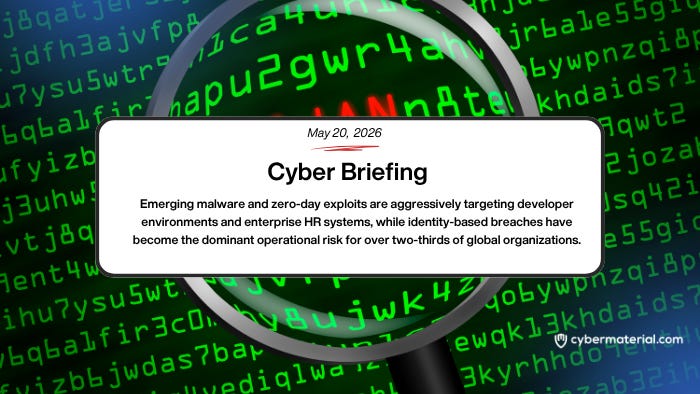
Recent intelligence reports have unveiled a concerning evolution in cybersecurity threats, predominantly showcased by the emergence of OtterCookie, a Node.js-based Remote Access Trojan (RAT) that specifically targets developers. This malware has been designed to stealthily extract sensitive developer secrets and cloud credentials in real time, marking a significant shift in attacking methodologies. OtterCookie operates independently from its predecessor, BeaverTail, and utilizes a unique command-and-control infrastructure that facilitates ongoing surveillance of developer environments. Essentially, the developers of this malware have implemented a highly sophisticated approach to siphoning vital information, raising alarms across tech industries.
Faced with this escalating threat, security teams are urged to perform thorough audits of their developer workstations. Immediate actions recommended include the rotation of SSH keys and cloud credentials, in addition to bolstering monitoring capabilities to detect any unusual data exfiltration patterns. The ramifications of failing to address these attacks promptly can lead to severe data breaches and long-term reputational damage for companies involved.
Further complicating the cybersecurity landscape are recently identified vulnerabilities within PHP’s core extension. Security researchers have discovered memory corruption issues that can be triggered by maliciously crafted JPEG images. This vulnerability highlights a critical oversight, as PHP’s image handling functionality is often disregarded compared to third-party frameworks. Organizations utilizing PHP are strongly advised to reassess their image processing implementations and apply available security patches swiftly to prevent exploitation through malicious image uploads. This oversight could lead to severe compromises if not addressed, indicating that attackers continually seek to exploit gaps in widely used software.
The tangible risks associated with these vulnerabilities are exemplified by a recent data breach at Tulane University. The university disclosed a significant breach linked to an Oracle zero-day vulnerability within its E-Business Suite that was exploited on August 10, 2025. This breach was only made public on March 12, 2026, illustrating a troubling trend of delayed disclosures in cybersecurity incidents. Attackers garnered access to sensitive HR system files, which included critical information such as names, Social Security numbers, direct deposit details, and other banking information from numerous individuals. This incident serves as a stark reminder of the ongoing threat posed by zero-day vulnerabilities and the extensive implications they harbor.
Research from Sophos reveals that 71% of organizations encountered identity-related security breaches last year, with the energy sector being notably affected, reporting an alarming rate of 80.3%. Such widespread vulnerabilities call for organizations to prioritize identity security controls and introduce measures such as multi-factor authentication and regular access reviews to mitigate the risks tied to credential-based attackers.
In response to the heightened threats, governance and resilience within infrastructure have gained attention across organizational strategies. The National Institute of Standards and Technology (NIST) has introduced a new framework aimed at safeguarding crucial Positioning, Navigation, and Timing (PNT) systems from spoofing and other interference methods. This framework provides essential guidance for organizations dependent on GPS and emphasizes the need for resilient systems that can withstand disruptions. Such frameworks are becoming indispensable in today’s landscape where reliance on technology continues to grow.
Moreover, regional collaborations are actively emerging to foster resilience against worsening cybersecurity threats. The signing of a Memorandum of Understanding between Baidam and AUSCERT spearheads cooperative efforts in sharing threat intelligence and bolstering security guidance among organizations within Australia. Such collaborations promise enhanced access to vital resources, aiding in the collective advancement of cybersecurity efforts in the region.
As the industry grapples with the ongoing talent shortage, initiatives are being launched, such as Indiana’s military-aligned cybersecurity pathway. Set to commence in June 2025, this program aims to connect high school students with advanced cybersecurity training and mentorship from the Indiana National Guard. The objective is to nurture a new generation of cybersecurity professionals by creating pathways that do not only lead to job placements but also military enlistment opportunities for those interested in serving their country while gaining technical expertise.
In summary, the latest developments in cybersecurity illustrate both the growing complexity of threats and the proactive measures organizations must take to counteract them. Continued vigilance, strategic collaborations, and investments in education and training seem paramount for navigating the challenging landscape and minimizing risks ahead.