
Cybersecurity Update: Emerging Threats and Strategies
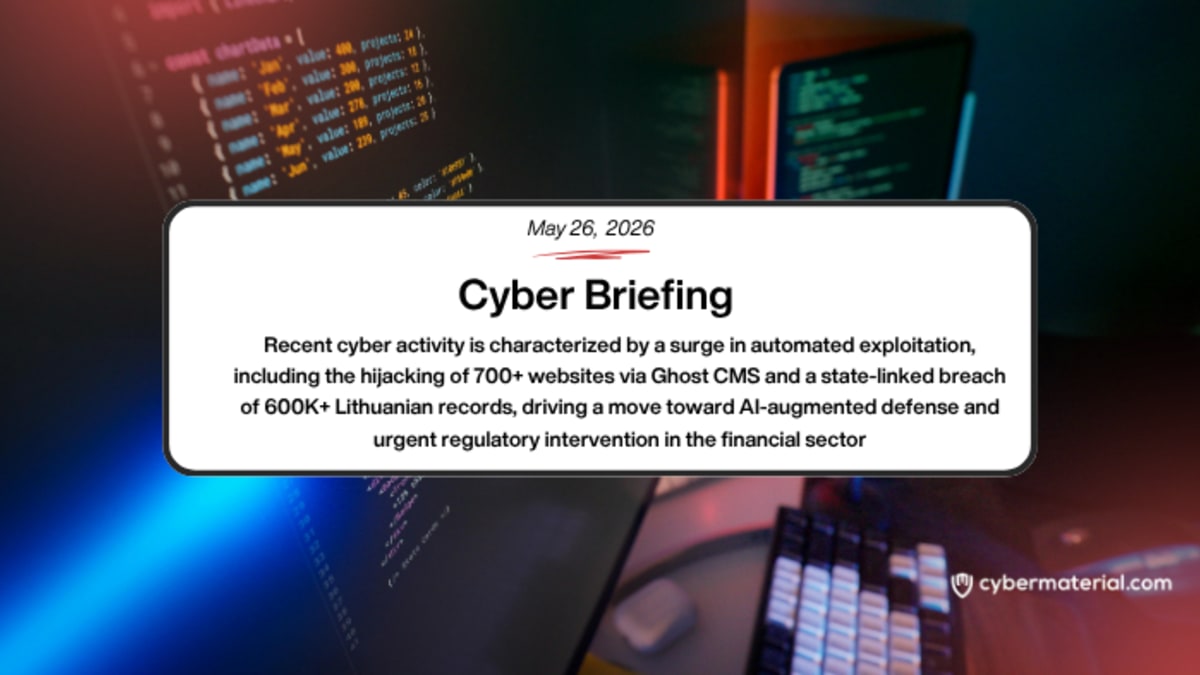
In today’s rapidly evolving digital landscape, cybersecurity threats have reached significant levels of intensity and complexity. Organizations across various sectors are grappling with sophisticated attacks, highlighting the importance of robust cybersecurity frameworks. This article delves into recent incidents, including the alarming rise of NightSpire ransomware, significant vulnerabilities in Ghost CMS, and a major data breach affecting Lithuanian national records.
NightSpire Ransomware: A Growing Concern
Discovered in early 2025, NightSpire ransomware has rapidly gained notoriety for its formidable double-extortion tactics. This malicious software not only encrypts victims’ data but also exfiltrates sensitive files, threatening to publish them on a Tor-based leak site unless ransom demands are fulfilled. The malware employs Remote Desktop Protocol (RDP) to ensure stealthy persistence on compromised systems.
Experts warn that organizations must act swiftly to mitigate the risks associated with NightSpire. Suggested measures include auditing RDP access controls, implementing multi-factor authentication on all remote access points, and closely monitoring for any unusual RDP connections. These proactive steps can significantly decrease the likelihood of falling victim to this ransomware.
Ghost CMS Vulnerability: Over 700 Websites Compromised
A critical vulnerability identified as CVE-2026-26980 in Ghost CMS, spanning versions 3.24.0 through 6.19.0, has led to a massive security breach affecting over 700 websites, including educational institutions and various tech firms. Attackers have ingeniously exploited this SQL injection vulnerability to hijack administrative API keys and inject harmful JavaScript. This malicious code displays fraudulent Cloudflare verification prompts, tricking unsuspecting visitors into executing Windows commands, which ultimately installs malware on their devices.
Organizations utilizing affected versions of Ghost CMS are urged to promptly update to the latest patched releases. Furthermore, website managers and users are advised to exercise caution by avoiding copying and pasting commands from websites, regardless of whether they seem trustworthy.
Lithuania’s National Data Breach: Investigations Underway
Authorities in Lithuania are currently investigating a significant data breach that has compromised over 600,000 entries from national registrations, raising concerns over potential foreign state involvement. The leaked data reportedly includes sensitive information from government databases, affecting citizen records that are essential for the legal and real estate sectors.
In light of this breach, both organizations and individuals in Lithuania are encouraged to monitor their personal information closely for signs of identity theft or fraud. The extent of the exposure remains unclear, yet the situation necessitates heightened vigilance in protecting personal and sensitive data.
The Shift towards AI-Driven Cybersecurity Solutions
In response to these alarming incidents, the cybersecurity industry is increasingly leaning toward innovative defensive frameworks that leverage artificial intelligence. The European Central Bank (ECB) has convened urgent meetings with banking institutions to address rising threats associated with AI in cybersecurity. Financial organizations are expected to strengthen their cybersecurity infrastructures in order to safeguard their data against these evolving risks.
Additionally, OWASP’s DockSec project is utilizing AI technology to improve container security. By consolidating data from multiple scanner reports, DockSec provides actionable insights and recommendations for remediation, thus aiding security teams in efficiently hardening Docker images without sifting through vast quantities of technical data.
Despite these advancements, there remains a significant gap in identity management. As the role of the Chief Identity Architect gains prominence, concerns grow regarding the treatment of identity security within organizations as merely a secondary hygiene issue. The advent of autonomous AI systems poses new challenges, as these systems often operate without the necessary controls to prevent unauthorized actions, leveraging excessive permissions that could lead to significant security vulnerabilities.
Conclusion
The current threat landscape necessitates a comprehensive and proactive approach to cybersecurity. As organizations face increasingly sophisticated threats such as NightSpire ransomware and Ghost CMS vulnerabilities, the focus must shift towards robust identity management and the integration of AI-driven technologies. Meanwhile, the ongoing investigation into Lithuania’s data breach underscores the critical importance of safeguarding citizen information and protecting against identity theft. By staying informed and adopting strategic cybersecurity measures, organizations and individuals can better navigate the complexities of the digital age.