
Cybersecurity Brief: Key Developments in Tech and Cybersecurity Sectors
In recent updates from the tech and cybersecurity landscape, significant challenges and innovations have surfaced. Microsoft faces scrutiny as it addresses an ongoing synchronization issue impacting Windows Server Update Services (WSUS). Designers and administrators have reported obstacles for more than a week when attempting to synchronize updates, leading to operational delays. This issue highlights the importance of efficient patch management systems, vital for organizations that depend on WSUS for centralized updates. It has been advised that administrators keep a close eye on their synchronization status and consider temporary workarounds until a permanent solution is implemented.
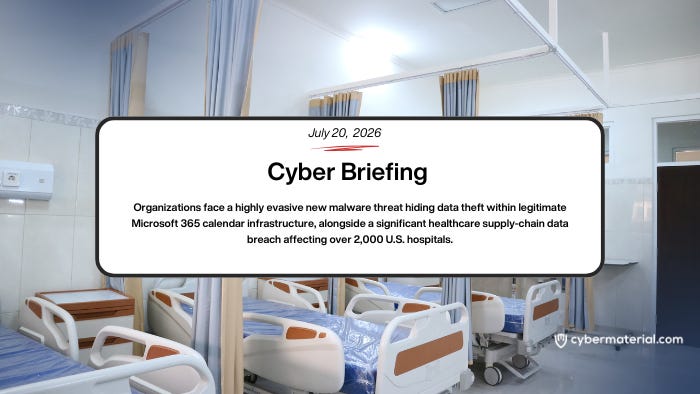
Meanwhile, a troubling incident has unfolded involving Craneware, a healthcare software provider based in Edinburgh. The company disclosed a data breach that has reportedly affected over 2,000 hospitals across the United States. The breach has raised alarms within the healthcare sector regarding data security, leading Craneware to engage external forensic investigators to thoroughly assess the extent of unauthorized access to its data environment. Organizations that utilize Craneware’s services are now urged to monitor for any signs of data exposure and await further guidance from the company as the investigation unfolds.
On the proactive side of cybersecurity, Capital One has recently made strides by open-sourcing an artificial intelligence-powered tool called "VulnHunter." This innovative application is designed to automatically identify vulnerabilities in code and map potential attack paths. Moreover, it prioritizes exploitable flaws and suggests specific fixes, thereby enabling security teams to focus on the most critical vulnerabilities. The integration of VulnHunter into organizational security workflows signifies an advancement in vulnerability management, allowing companies to enhance the efficiency of their threat response.
In another important development, Microsoft has introduced "Dusseldorf," an open-source Out-of-Band Application Security Testing (OAST) platform. This tool is designed to help security researchers identify vulnerabilities present when applications create external network connections during attacks. Dusseldorf enhances the capabilities of security teams by capturing inbound traffic across several protocols, enabling them to create automated workflows for verifying vulnerabilities. This innovation also eliminates the need for custom infrastructure, making security testing more accessible and efficient.
Attention has also been drawn to a newly discovered strain of malware named "HOLLOWGRAPH," which poses significant security challenges. This advanced malware has been linked to the Iranian-controlled Cavern backdoor framework. Researchers have found that HOLLOWGRAPH cleverly conceals its activity by embedding command-and-control communications within Microsoft 365 calendar invites. The malware creates calendar events dated out to the year 2050, with encrypted attachments that harbor stolen data. Following an investigation, at least 12 systems have been identified as infected through a compromised Israeli Microsoft 365 account. This new method of data concealment raises serious concerns about the effectiveness of existing security measures, as the malware evades detection by mimicking legitimate Microsoft cloud activity.
While these cybersecurity threats loom, policy shifts also reflect a changing response to technology use. The U.S. Department of Justice has notably reversed its previous ban on TikTok, authorizing federal employees to download the app on government-issued devices. This shift comes after a restructuring deal that transitioned TikTok’s U.S. operations to a joint venture involving Oracle and other stakeholders. The decision marks a significant change in approach toward the app’s security risks and illustrates how regulatory landscapes continue to adapt to emerging technologies.
This dynamic tech landscape continually calls for heightened vigilance and adaptation by organizations. With significant vulnerabilities being exposed and new tools emerging to tackle these challenges, it remains critical for companies to stay informed and responsive to the evolving cybersecurity threats. As firms like Microsoft and Capital One pave the way with innovative solutions, the broader industry must collectively embrace advancements in both technology and policy to foster a more secure digital environment.