
Cybersecurity Update: A Shift in Cyber Threats and Notable Incidents
In the evolving landscape of cybersecurity, significant changes have emerged regarding the methods employed by cybercriminals. Recent reports indicate a marked increase in extortion-only attacks, with a staggering 65% of claims reported in late 2025 concerning incidents that involved data theft without encryption. This represents an increase from 49% earlier in the same year. The rise of this tactic raises serious concerns about the effectiveness of paying ransoms; approximately 30-40% of organizations that succumbed to these demands still experienced data leaks. This alarming trend underscores the need for companies to shift their focus from reactive strategies, such as paying ransoms, to preventative measures. Experts recommend implementing robust data loss prevention technologies, zero trust architectures, and ensuring that organizations invest in legal counsel and conduct thorough tabletop exercises in preparation for potential incidents.
Alongside the troubling trends in extortion attempts, prominent cybersecurity firms such as Splunk and Palo Alto Networks have responded by issuing critical security patches. These patches aim to address severe vulnerabilities in their respective products that, if exploited, could enable attackers to gain unauthorized access to sensitive data or modify files arbitrarily. Security experts urge organizations using these affected products to apply the patches immediately to fortify their defenses and prevent potential exploitation.
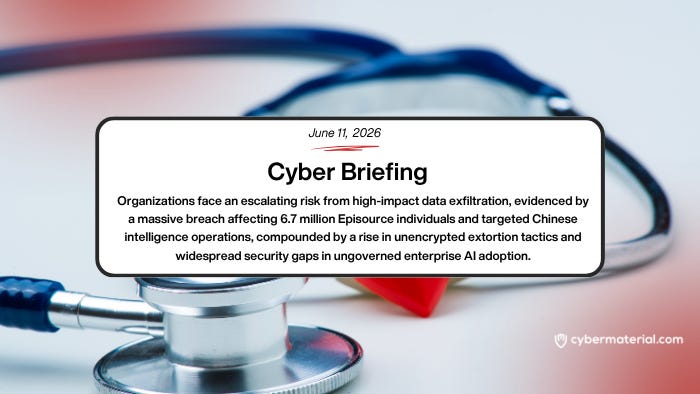
The ramifications of cyber threats extend beyond individual organizations, as seen in a significant recent incident involving Episource, a subsidiary of UnitedHealth Group. This company suffered a cyberattack that compromised the personal data of approximately 6.7 million individuals, including sensitive medical records. The breach, which occurred between January 27 and February 6, 2025, has resulted in the exfiltration of patient names, contact details, health records, treatment histories, and health plan data. As a goodwill gesture, the affected individuals are being provided with two years of complimentary credit monitoring and identity theft protection services.
In another noteworthy development, the FBI’s proactive measures have culminated in the seizure of 13 internet domains associated with a Chinese intelligence operation. These domains were reportedly employed to target U.S. government employees and military personnel with access to classified information. Although details regarding the precise tactics utilized remain undisclosed, the seizures signify an ongoing commitment by federal authorities to counter foreign intelligence threatsener, especially in this age of cybersecurity vulnerabilities.
The technological landscape continues to evolve, particularly with the adoption of artificial intelligence tools in software development. A recent survey revealed that a remarkable 97% of software development teams are now utilizing AI coding assistants, such as GitHub Copilot and Claude Code. However, despite this high usage rate, only 30% of teams have established formal governance policies. Teams report significant productivity gains, averaging eight hours a week saved through AI assistance, yet they also encounter substantial challenges with AI-generated code, leading to burdens of manual code review, security testing, and rework. Interestingly, teams equipped with formal governance enjoy efficiency improvements that reach 90%, contrasting sharply with the mere 44% efficiency seen in those without established oversight. Concerns over security defects arising from AI-generated code remain prevalent, with 64% of respondents expressing unease.
In response to the evolving technology landscape and the rising importance of AI governance, Check Point has made strides to enhance its Managed Service Provider (MSP) platform. The expansion includes new capabilities focused on AI security governance, centralized management, and simplified licensing. The integration of these tools aims to assist MSPs in managing their security services more effectively, particularly as the adoption of AI technologies continues to grow across client environments.
As the cyber threat landscape continues to transform, organizations must remain vigilant and proactive in their cybersecurity efforts. Understanding the dynamics of extortion methods, prioritizing preventive measures, and maintaining robust governance protocols will be essential to navigating the complexities of today’s threat environment. By investing in these areas, businesses can protect themselves against increasingly sophisticated cyber threats while safeguarding sensitive data and maintaining operational integrity.