
The Evolution of Cyber Threats: A Deep Dive into Current Trends and Developments in Cybersecurity
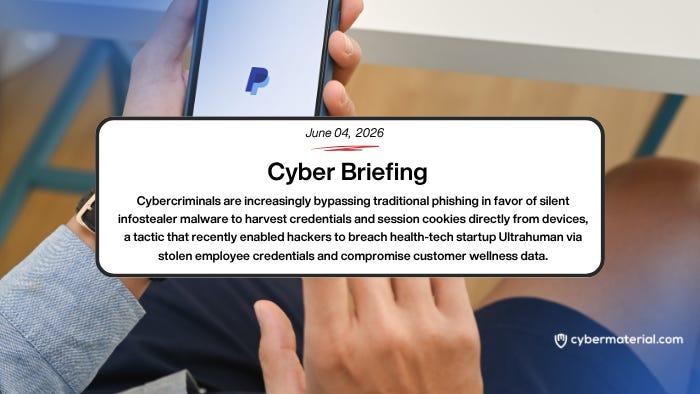
In recent months, the landscape of cybercrime has undergone significant transformations, markedly shifting the tactics employed by cybercriminals. Traditional phishing schemes that once defined the realm of online deceit are increasingly being overshadowed by the rise of stealthy infostealer malware. Unlike phishing attacks that rely on tricking users into unwittingly sharing their credentials on fraudulent websites, infostealers operate silently, stealthily infiltrating devices through various malicious methods.
This new breed of malware often spreads via compromised advertisements, counterfeit software updates, and creative social engineering ploys branded as “ClickFix.” Once installed on targeted devices, these infostealers meticulously gather sensitive information, which includes session cookies, saved passwords, and financial data. The effectiveness of these malware attacks lies in their ability to collect vast amounts of sensitive data without the user’s knowledge, which is subsequently sold to other criminal entities specializing in account takeover, fraud, or ransomware attacks. This creates a lucrative “malware-as-a-service” ecosystem that poses a growing challenge to cybersecurity efforts worldwide.
Compounding the threat landscape is a newly revealed fake invoice phishing campaign that utilizes recognizable brand names such as PayPal and Amazon to deceive potential victims. Cybersecurity firm Malwarebytes revealed this ongoing operation, where targeted emails claim victims owe amounts ranging from $349 to $598. Urging immediate action, these emails encourage recipients to contact scammer-controlled phone numbers, leading unsuspecting individuals into various fraud traps like remote access scams or fraudulent refund schemes.
The impacts of such attacks are already manifesting in real-world incidents, as evidenced by the breach at Ultrahuman. This health-tech startup sustained a significant security incident when hackers exploited malware to steal an employee’s credentials. This breach allowed attackers to access wellness data for approximately 700 customers, constituting about 0.1% of the company’s user base. Fortunately, Ultrahuman was able to detect the compromised data swiftly and took steps to mitigate the fallout. While the company assured customers that no passwords, payment information, or major production systems were impaired, they refrained from confirming whether specific customer data had been extracted by the attackers, leaving lingering questions regarding the extent of the breach.
In response to these mounting cybersecurity risks, both the technology sector and legal systems are enacting various protective measures. Google has announced the roll-out of a new fake call detection feature for its Android devices, aimed at identifying and combating the prevalence of caller ID spoofing. This feature is set to be implemented globally, starting with users on Pixel devices, and it requires both parties to utilize the "Phone by Google" application on Android 12 or later.
In a distinct yet similarly pressing matter, the U.S. legal landscape is currently witnessing a significant case involving Elon Musk’s xAI. The company faces pressure from plaintiffs who are suing under the veil of anonymity due to alleged deepfake-related harms. However, xAI’s legal representatives are contesting this anonymity, arguing that it undermines transparency and hinders their defense efforts, thereby potentially complicating the judicial process. The outcome of this legal battle could have lasting implications on the privacy and anonymity of individuals involved in similar cases in the future.
Adding to these challenges is the U.S. government’s ongoing struggle to shore up its cyber defenses. The Tech Force initiative is currently in a hiring push to recruit 1,000 technologists to fill specialized roles in cybersecurity, engineering, and data management. This initiative aims to replenish the ranks after a staggering exodus of nearly 20,000 tech workers from government service, prompted by reductions under previous administrative measures in the past year. By focusing on attracting younger technical talent, the government hopes to address critical capability gaps and bolster its cybersecurity posture in an increasingly tech-driven world.
In conclusion, the evolving methods of cybercriminals present a formidable challenge to both individuals and organizations. The transition from traditional phishing attacks to more sophisticated infostealers and the ensuing incidents highlight the urgent need for robust cybersecurity measures. From governmental efforts to legislative measures, various sectors are striving to adapt to these cyber threats, making it imperative for all stakeholders to remain vigilant and proactive in their cybersecurity practices.