
Cybersecurity Update: Persistent Vulnerabilities and Emerging Threats
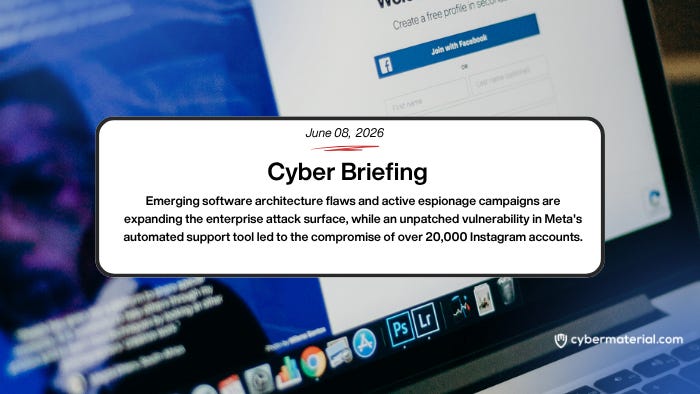
In the rapidly evolving world of cybersecurity, organizations are continuously challenged by systemic flaws and sophisticated attacks. A recent report from Cyber Briefing highlights the most pressing challenges facing the digital realm today, emphasizing vulnerabilities that have become particularly acute with the advent of advanced technologies.
One of the most alarming trends revolves around generative AI architectures, which are still susceptible to prompt injection attacks. These attacks exploit the difficulties that large language models face in differentiating between system instructions and user-generated inputs. This is increasingly dangerous as AI systems gain more autonomy and the ability to execute commands in the real world. Security researchers are now calling for a shift in focus from mere prevention to more proactive strategies, including runtime containment, rapid behavioral monitoring, and stringent identity controls. Until architectural solutions are developed, these measures are seen as essential to mitigate the risks posed by such vulnerabilities.
Adding another layer of concern, state-sponsored threat actors continue to leverage the weaknesses in operating system infrastructures for espionage activities. The China-linked cyber espionage group known as VerdantBamboo has been identified as deploying a specialized BSD variant of the BRICKSTORM backdoor in conjunction with two malware families, PLENET and AGENTPSD. These attacks specifically target Linux and BSD systems, highlighting the urgent need for organizations operating these platforms to enhance their security measures and monitoring capabilities.
A significant breach recently occurred within Meta’s systems. An authentication flaw found in the company’s AI-powered Instagram account recovery tool allowed attackers to effectively hijack over 20,000 accounts. This vulnerability rose from a lack of verification in confirming ownership of email addresses used in password recovery requests. As a result, attackers could take control of accounts, particularly when two-factor authentication was disabled. Following the breach, Meta has disabled the affected tool, enforced password resets for compromised accounts, and is auditing its recovery systems across various platforms to prevent similar incidents in the future.
Organizations are not just facing immediate threats from advanced malware and hackers; they are also grappling with looming regulatory challenges. The EU Cyber Resilience Act (CRA) is set to take effect in December 2027, yet a report from OpenSSF reveals concerning statistics: 66% of manufacturers and developers are unaware of this legislation. With a significant percentage of organizations not even assessing whether the CRA applies to them, the implications for compliance and security standards are profound. Many companies are overly reliant on fragmented open-source solutions for security fixes, leading to increased risks as deadlines approach. The cost of maintaining private forks for such solutions is substantial, underscoring the need for upstream contributions to open-source projects as a feasible path to compliance.
In a further challenge for the tech ecosystem, the U.S. government’s Tech Force initiative has encountered difficulties in recruiting 1,000 essential technologists. Amidst significant workforce reductions in prior years, the program aims to attract young talent into federal agencies to address pressing skills gaps. The departure of nearly 20,000 tech professionals during previous retrenchment periods has left the initiative struggling to fill critical engineering and cybersecurity positions.
Amid these challenges, the capital market’s focus remains on cybersecurity investments. This week alone saw AI security startups raising over $100 million, even as established firms like SentinelOne undergo restructuring and layoffs to reallocate resources towards AI advancements. The cybersecurity landscape is proving that while threats and vulnerabilities remain pervasive, investments in innovative technologies are viewed as essential to bolstering defenses.
As organizations navigate these turbulent waters, it is evident that the convergence of rapid technological advances and complex security challenges will demand robust responses. The sheer volume of vulnerabilities and the sophistication of attacks signal that cybersecurity must remain at the forefront of organizational priorities, requiring continuous adaptation to the changing digital landscape. Companies are urged to stay informed, enhance their defenses, and contribute to overarching security initiatives to foster a more secure future in the digital age.