


Cybersecurity Landscape: Overview of Threats and Vulnerabilities
In the continually evolving field of cybersecurity, recent trends have highlighted a concerning rise in various cyber threats. A significant warning from Microsoft has emerged, alerting users about a surge in phishing campaigns focused on tax-related scams. These scams specifically target individuals during the tax filing season, where urgency can lead to hasty decisions. Cybercriminals are effectively impersonating the IRS, taking advantage of the stressful situation surrounding tax deadlines. Such tactics aim to manipulate victims into clicking on malicious links or downloading software that could harm their systems, thus compromising sensitive personal information.
In a separate concern, the FBI has issued a warning regarding sophisticated phishing schemes that use popular messaging platforms like WhatsApp and Signal. Russian intelligence services are believed to be behind these attacks, targeting high-profile individuals, including government officers and journalists. The nature of these attacks is particularly alarming as they exploit users’ trust. Attackers persuade victims to provide verification codes under false pretenses or trick them into linking compromised devices. While these operations do not directly breach encryption, they facilitate unauthorized access, allowing hackers to read messages and impersonate victims within trusted communication channels.
Additionally, Oracle recently alerted users to a critical vulnerability within its Identity Manager and Web Services Manager platforms. Identified as CVE-2026-21992, this remote code execution flaw has been classified with a severity rating of 9.8 out of 10. The flaw’s criticality lies in its ability to allow unauthenticated attackers to gain control of systems over a network. In response, Oracle has issued urgent patches to mitigate the risk. Organizations utilizing these platforms are highly encouraged to apply these updates immediately to safeguard their systems.
In recent months, Aqua Security’s open-source scanner, Trivy, has experienced a significant breach, marking its second compromise within a month. The attackers have managed to alter code in official GitHub Actions repositories, distributing malware specifically designed to extract sensitive Continuous Integration/Continuous Deployment (CI/CD) secrets. This infiltration not only affects individual developers but poses significant risks to larger organizations relying on these tools for software development, potentially compromising project integrity.
Moreover, the Malta Gaming Authority disclosed a serious incident in which unauthorized access was gained through impersonation of a security researcher. This breach necessitated an immediate response to mitigate potential damage and secure sensitive data. The implications of such breaches are far-reaching, emphasizing the importance of rigorous verification processes in cybersecurity protocols.
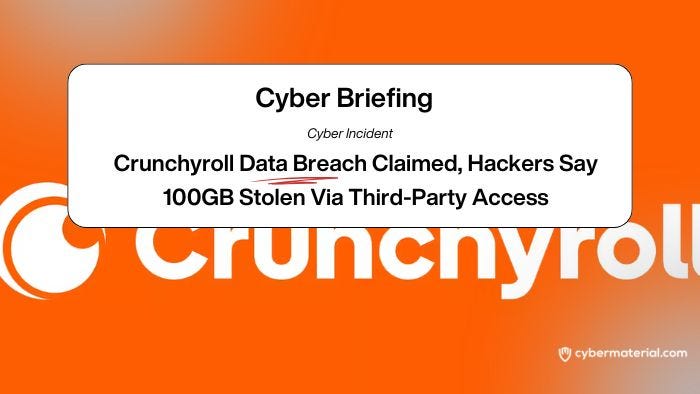
Further compounding the situation, the anime streaming service Crunchyroll has purportedly been victimized by a data breach that resulted in the leakage of approximately 100GB of user data. Initial findings suggest that the breach might have originated from a third-party employee’s system, underscoring the vulnerabilities associated with outsourcing and third-party interactions in the cybersecurity landscape.
Another noteworthy development is the persistent threat posed by the Tycoon 2FA platform. Despite significant law enforcement efforts to dismantle its infrastructure, Tycoon 2FA continues to thrive, drawing millions of dollars through phishing-as-a-service operations. Its ability to bypass multi-factor authentication remains a critical concern for organizations worldwide, illustrating the resilience and adaptability of cybercriminal enterprises.
Confronting these ongoing threats, authorities have also charged several individuals, including a senior executive from Super Micro Computer, with conspiracy to smuggle advanced AI servers worth over $2 billion to China. This move not only underlines the threat to national security posed by corporate espionage but also raises questions about the compliance of companies with international export regulations.
The global fight against cybercrime has seen recent developments including Operation Alice, which successfully dismantled a network of over 373,000 fraudulent dark web sites aimed at facilitating child exploitation. This international operation demonstrates the cooperative efforts of law enforcement agencies in combating online criminal activity.
In summary, the current cybersecurity landscape is rife with challenges stemming from sophisticated phishing threats, critical vulnerabilities in widely-utilized software, and significant breaches at various organizations. The documentation and swift public announcements of these incidents serve to raise awareness and underscore the necessity for robust cybersecurity measures across all sectors. As both individuals and corporations navigate this perilous terrain, vigilance and proactive response strategies remain paramount.