


Cybersecurity Landscape: Major Updates and Emerging Threats
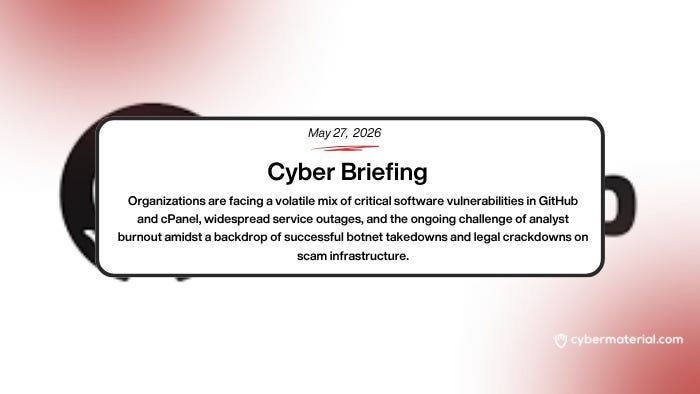
The ever-evolving technology sphere currently confronts significant challenges related to critical infrastructure vulnerabilities and consequential service disruptions. In a notable turn of events, GitHub has emerged at the forefront of this ongoing saga by launching Enterprise Server version 3.20.3. This vital update addresses serious security issues that jeopardized internal access and facilitated unauthorized data extraction. The urgency of this release is underscored by the coinciding outage of GitHub Actions, which interrupted continuous integration and deployment (CI/CD) workflows across the globe for approximately three hours, rendering developers unable to proceed with their work due to authentication failures.
As the GitHub situation unfolded, additional layers of complexity were introduced by federal authorities, particularly through the efforts of the Cybersecurity and Infrastructure Security Agency (CISA). They enacted stringent measures requiring a rapid four-day emergency patching window for a critical vulnerability found in a LiteSpeed cPanel plugin that is actively being exploited. This was a proactive initiative aimed at bolstering the security of government systems previously compromised by this flaw.
In parallel with these developments, there have been several noteworthy enforcement actions that serve to reshape the threat landscape. Notably, security firms successfully dismantled the notorious GlassWorm botnet after neutralizing its command-and-control channels. This coordinated takedown not only mitigated the immediate threat to organizations but also necessitated those previously compromised to conduct thorough security audits to fully eradicate the pervasive malware.
On the legal front, two former executives from C.A. Cloud Attribution have pled guilty to charges related to running a tech support scam infrastructure. Their illegal activities, which spanned from 2017 to 2022, included providing phone services to scammers targeting individuals with fraudulent Microsoft and Apple support claims. Adam Young, the former CEO, and Harrison Gevirtz, the former CSO, face severe penalties, including potential prison sentences and hefty fines.
Despite these victories against cybercrime, the human resource aspect of cybersecurity remains under strain. Reports from various sources indicate that security analysts are facing burnout due to the overwhelming nature of their work environment. The term "alert economy" has surfaced to describe the current state in which detection tools inundate analysts with thousands of low-quality alerts, leading to a chronic fatigue that impair their capacity to respond effectively to genuine threats. Some instances reported a staggering 40,000 Data Loss Prevention (DLP) alert emails generated in just a week, to the point where analysts stopped processing them entirely. This alarming trend points towards a pressing need for innovations that prioritize context-aware automation and promote more sustainable career paths in the technical domain.
The immediate impact on GitHub and CISA’s initiatives emphasizes a greater challenge looming over the tech industry—a challenge that intertwines human exhaustion, system vulnerabilities, and the evolving mechanics of cybercrime. As the cybersecurity landscape continues to develop at a rapid pace, stakeholders must remain vigilant and proactive, adopting strategies that address the dual needs of enhancing technological defenses while safeguarding the mental well-being of cybersecurity professionals.
To surmise, GitHub’s recent actions, coupled with federal mandates and successful criminal dismantling efforts, portray a dynamic yet increasingly complex landscape in cybersecurity. Each twist and turn underscores the critical need for continuous improvement, collaboration, and innovation within the field. As vulnerabilities emerge and cybercriminal tactics evolve, the tech industry must prepare itself for a future that demands resilience, both in technology and human resources. By addressing these underlying issues, stakeholders have the opportunity to better safeguard not only their internal infrastructures but also the broader digital ecosystem, ensuring a secure digital future for all.