
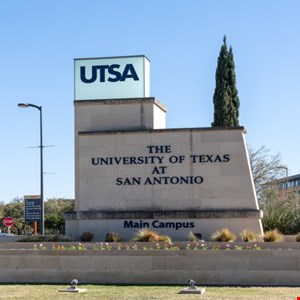


Cyber Incident Forces University of Texas San Antonio’s IT Systems Offline
The University of Texas (UT) San Antonio has recently experienced a significant cyber incident that has necessitated the shutdown of its IT systems. This decision, made just days ahead of the new academic term commencing on August 19, has resulted in considerable disruption to essential services such as student registrations and tuition payments.
On August 17, university authorities issued a statement informing the public about the situation. They disclosed that an "attempted unauthorized activity" had been detected at the periphery of the university’s network, fortunately stopping short of breaching core systems. In response to this alarming discovery, University Technology Solutions (UTS) took swift action in collaboration with expert partners to contain the potential threat. This proactive approach involved bringing several systems offline to facilitate a comprehensive evaluation of the technological environment, ensuring that adequate protection measures could be instituted if necessary.
Despite the seriousness of the matter, UT San Antonio officials reported that their response has thus far been effective, with no evidence to suggest that any data was accessed or exfiltrated during the unauthorized activity. Nonetheless, the university expressed understanding of the disruption this shutdown has caused within its community, particularly given the impending start of the academic year.
The statement from university leaders underscored the critical need for reliable access to IT systems and services for students, faculty, and staff. “With classes beginning this Wednesday, we recognize how important, reliable access to university systems and services is for our students, faculty, and staff. Our teams are working with great care to ensure that our technology environment is both available and secure as we begin the new academic year,” it stated. As a result of the disruption, students have been granted extensions to finalize their registrations and tuition payments.
Adding to the challenges, the university’s phone systems were reported down as of 12:30 PM CST on August 17, although restoration was anticipated later that same day. Furthermore, an update posted on the university’s official Facebook page at 5:30 PM CST provided reassurance that students, faculty, and staff would receive instructions for resetting their passphrases on August 18.
Educational Institutions at Risk
Recent years have seen a surge in cyber-attacks targeting educational institutions, particularly at the onset of new academic terms. This timing is likely tied to the increased operational demands faced by such institutions as students undertake class registration, tuition payments, and access course materials.
Ross Filipek, Chief Information Security Officer (CISO) at Corsica Technologies, remarked on the challenges posed by such attacks, stating, “Taking major systems offline at that moment creates immediate pressure to get everything running again. Whether that timing was intentional isn’t clear. Still, attackers understand that disruption carries more weight when an organization is already operating at maximum capacity. Universities are no different from hospitals or retailers in that respect. The more painful downtime becomes, the more leverage an attacker potentially gains.”
Filipek commended UT San Antonio for its early detection and containment of the incident but emphasized the necessity of implementing secure system segmentation to further mitigate risk. “Cyber resilience means being able to contain a threat without forcing the rest of the organization to choose between security and keeping the doors open,” he highlighted.
As educational institutions continue to navigate this complex landscape, the UT San Antonio incident serves as a reminder of the vulnerabilities that can arise at critical junctures. The effectiveness of immediate responses coupled with the implementation of robust security measures will be paramount in safeguarding against future events.
With the academic year set to begin soon, the UT San Antonio community remains hopeful for a swift resolution, allowing students and faculty to focus on their educational pursuits without further interruption. The incident has underscored the need for heightened awareness and preparedness within all educational institutions, ensuring they are equipped to handle the increasingly sophisticated threats posed by cyber adversaries.