
Egress, an organization specializing in IT security and data protection, has been recognized for its commitment to the mental health and wellbeing of its employees. The company offers a comprehensive range of support programs, including traditional support options as well as initiatives specifically focused on fostering mental wellbeing. Egress has been named one of the UK’s Best Workplaces™ for two consecutive years.
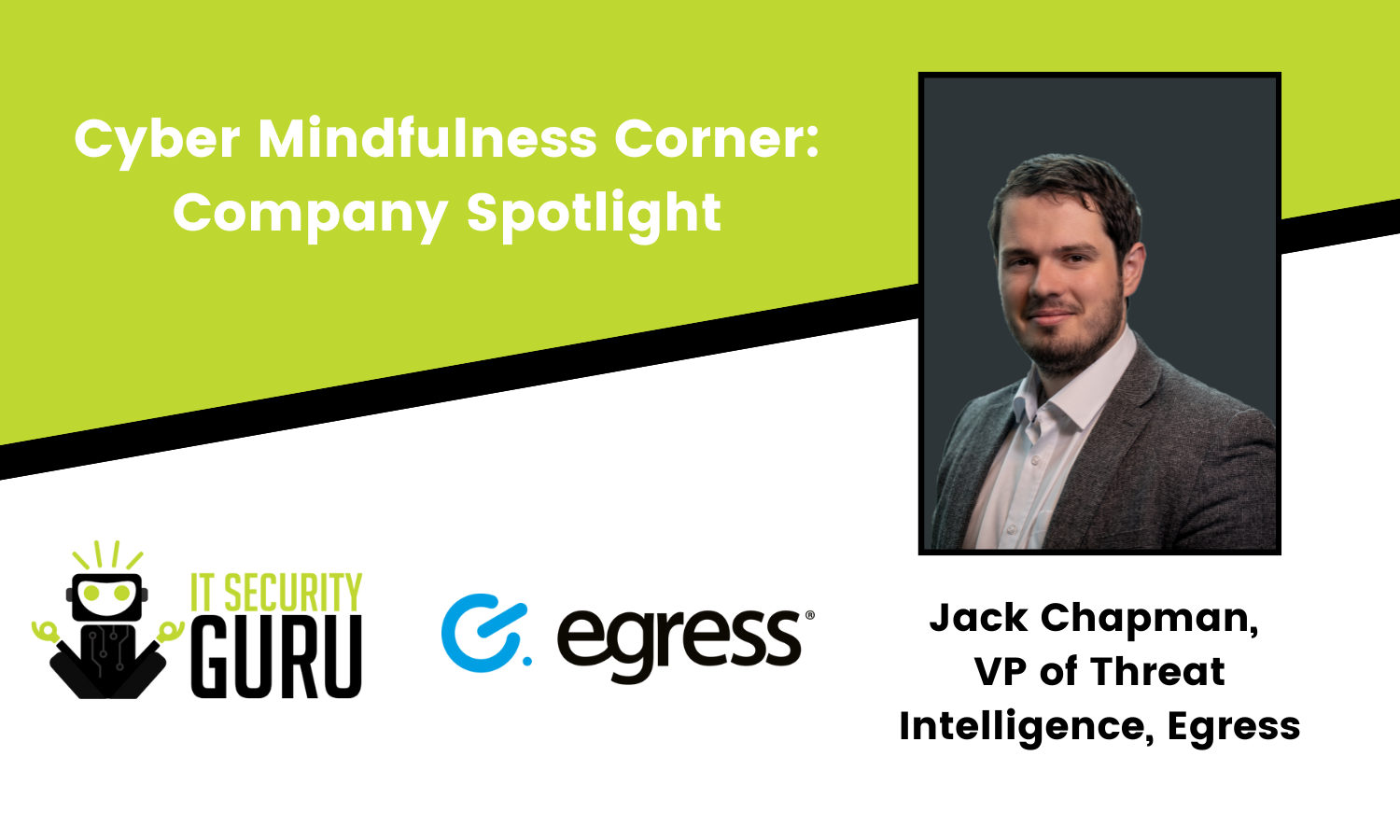
Jack Chapman, the VP of Threat Intelligence at Egress, emphasizes the importance of mental health in the workplace. He believes that taking care of employees is essential for pushing forward as a team. Chapman highlights the importance of offering a broad range of support options tailored to meet individual needs: “People don’t fit into neat boxes, they need support at different times and at their own level.”
Egress provides various employee support programs, including the presence of qualified mental health first aiders in the office. They also offer employee assistance programs that include a set number of free structured counseling sessions. In addition, Egress promotes work-life balance incentives such as flexible working hours and a scheme called eFlex, which allows employees to take up to 15 additional days of paid leave throughout the year. The company also encourages active listening and feedback from employees to improve the workplace.
Considering that human error is a major risk factor for data breaches, Egress emphasizes the importance of focusing on the “people” element of cybersecurity. Phishing attempts remain the most common threat vector for UK businesses. Chapman acknowledges that phishing is not solely a technical problem, but also a people problem. Cybercriminals exploit users’ emotions and invoke fear to trick them into falling for their schemes. Egress aims to educate victims about the dangers of phishing attacks and strike a balance between the technical needs of businesses and the emotional needs of individuals.
Chapman argues against a blame culture in response to cyberattacks, as it creates a negative environment where people are afraid to come forward. He suggests that leaders should take accountability for mistakes and show the way forward. He believes that good communication and a collaborative approach are essential for removing the stigma and fear associated with cyberattacks. Instead of pointing fingers, organizations should focus on creating a culture that blends human wellbeing with security.
Egress also places value on diversity within the company. Recognizing the importance of diversity of thought in tackling cybersecurity challenges, the organization promotes inclusivity and celebrates various ethnic and religious holidays. Chapman emphasizes that diversity plays a crucial role in making businesses more secure.
In conclusion, Egress is leading the way in prioritizing the mental health and wellbeing of its employees in the cybersecurity industry. By offering a comprehensive range of support programs and fostering a culture of collaboration and accountability, the company aims to reduce human activated risks and create a healthier industry. With their focus on both technological solutions and human support, Egress is advocating for the integration of technology and human effort to enhance cybersecurity.