
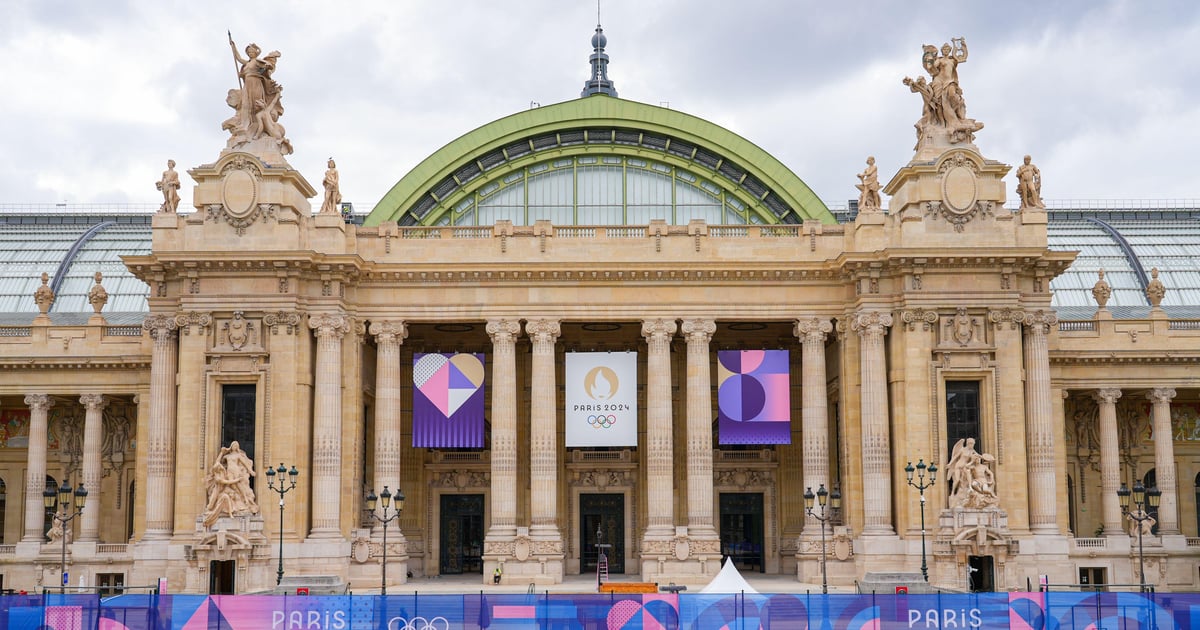
A cyberattack targeted the computer systems of the Réunion des Musées Nationaux et Grand Palais (RMN), a prominent French cultural institution, on the night of Saturday, August 3. The RMN oversees numerous museums, shops, exhibitions, and publications, playing a vital role in France’s cultural landscape. Despite the attack, the organization reported minimal impact on its operations due to swift defense measures put in place.
Authorities in France, specifically the Anti-Cybercrime Brigade, have launched an investigation into the incident in accordance with the country’s penal code. The penal code stipulates severe penalties for fraudulent access to data processing systems, underscoring the seriousness with which cybercrimes are treated in France.
Reports from Le Parisien initially suggested that the cyberattack involved ransomware and targeted the financial data system that links various institutions under RMN. The reports implied that sensitive data may have been compromised, and even institutions like the Louvre could have been affected. However, in a press release on August 6, RMN stated that no signs of data exfiltration had been detected. Additional statements from the Louvre’s chief of staff denied any adverse impact on their operations due to the cyberattack.
The director of the Grand Palais, a key component of RMN’s activities, clarified that the attack primarily affected the internal network of shops and did not disrupt other core functions of the RMN-Grand Palais. Immediate action was taken to safeguard vital operations, and specialized security units were engaged to address the situation effectively.
Despite the potential risks posed by the cyberattack, RMN assured the public that all affected shops were functioning normally and independently. Museums and bookshops remained open to visitors without any disruption to their usual services, showcasing resilience in the face of cyber threats.
The timing of the cyberattack, coinciding with the Summer Olympics hosted at the Grand Palais complex, raised concerns about the hackers’ motives and capabilities. Security experts like Dr. Martin J. Kraemer highlighted the underwhelming nature of the attack, suggesting that more sophisticated threats could have been anticipated during a high-profile event like the Olympics. While ransomware attacks are often used as diversions for other malicious activities, the swift containment of this incident indicated a less elaborate scheme.
Looking ahead, cybersecurity professionals like Josh Jacobson emphasized the ongoing risks associated with major events like the Olympics. With several days remaining in the sporting spectacle, the potential for cyberattacks targeting venues, attendees, and spectators remains a significant concern. Strategies such as fake ticketing sites, social engineering campaigns, or phishing attacks could still pose threats until the conclusion of the games and beyond.
As the investigation into the cyberattack continues and security measures are strengthened, organizations like RMN and affiliated institutions are steadfast in their commitment to safeguarding sensitive data and ensuring uninterrupted access to cultural offerings for the public.