
Growing Threat of Indirect Prompt Injection: A New Frontier for Cybercrime
Recent findings from Proofpoint researchers have unveiled a worrying trend in cybercrime: the development and sale of tools aimed at embedding malicious instructions within various digital communication formats, such as emails, documents, calendar invitations, and webpages, which are commonly processed by artificial intelligence (AI) systems. This troubling innovation is known as indirect prompt injection (IDPI) and presents a remarkable avenue for attackers to manipulate AI systems without the need for direct user interaction, potentially increasing the vulnerability of organizational defenses.
Insights from the Research
The researchers’ analysis highlights that the proliferation of IDPI techniques is likely to become increasingly visible in the coming months. As outlined by the report, cybercriminals are experimenting with these malicious methods within formats typically considered safe, such as calendar invites and malvertising chains. The implications are significant, as organizations may find themselves facing new forms of deception and manipulation as these tactics evolve.
Proofpoint identified several key takeaways from their findings:
- Cybercriminals are actively developing and marketing IDPI tools to target AI systems.
- These tools can alter AI agents’ behavior by embedding malicious prompts into normal content.
- While direct exploitation is not yet widespread, testing is being conducted across various methods, including phishing, misleading documents, and malicious calendar invitations.
- Organizations should implement robust controls to limit AI agent permissions and carefully monitor their activities.
The Increasingly Complex Nature of Cyber Attacks
The researchers emphasize that the rise in IDPI is gaining traction within underground criminal forums, where threat actors discuss and promote tools specifically engineered for compromising AI systems. Subscription models for these illicit tools reportedly begin at around $150 per month and include capabilities for generating malicious content across multiple platforms, thereby indicating a staggering shift in cybercriminal strategies.
This suite of offerings implies that attackers are no longer merely theorizing about their techniques but are actively working to embed IDPI within existing attack frameworks. Such a trend marks a critical evolution in the tactics employed within the cybercrime landscape, warranting increased attention from organizations keen on safeguarding their systems.
Mechanisms of Indirect Prompt Injection
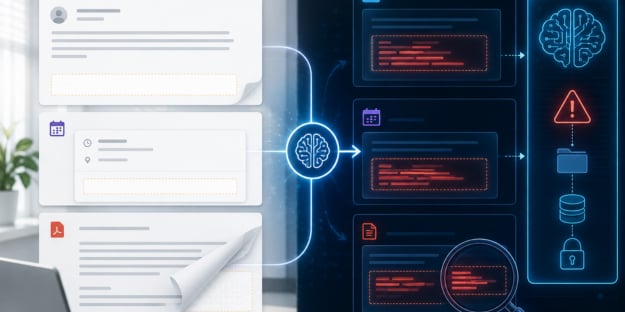
Understanding how indirect prompt injection operates is pivotal for fortifying defenses. There are two primary categories of prompt injection attacks: direct and indirect. Direct prompt injection occurs when a user unwittingly inputs malicious content directly into an AI model, leading to unexpected behaviors. In contrast, indirect prompt injection involves embedding harmful instructions within external content—be it an email, document, or webpage—intended for subsequent processing by an AI system.
This distinction is critical given the increasing access that organizations grant AI agents to perform business-critical tasks. Unlike traditional phishing attacks that depend on human engagement, IDPI could activate through routine AI interactions, posing an unprecedented risk if an agent processes harmful content while executing standard functions.
Various Attack Vectors Explored
Proofpoint’s findings indicate a variety of methods currently in experimentation by threat actors:
-
Email Attacks: Malicious instructions can be concealed through clever text manipulation, matching the background color of an email, rendering them invisible to the reader while still detectable by AI systems.
-
Document and PDF Attacks: Attackers may hide instructions in attachments using techniques like embedding rogue text or hidden elements. For instance, test cases have shown PDFs directing AI agents to locate and transmit sensitive files.
-
Calendar Invitation Attacks: By integrating malicious prompts into meeting invites, attackers can leverage the summary processing functionalities of AI assistants, thereby circumventing user interaction altogether.
- Malvertising and Malicious Webpage Attacks: Cybercriminals may incorporate malicious prompts within ads and website content, utilizing obscure elements such as HTML codes or tiny text that an AI agent could parse without human visibility.
While many of these techniques are still under investigation, the advent of dedicated IDPI tools indicates a worrying transition from hypothetical threats into practical exploits being tested by cyber adversaries.
Strategies for Mitigation
Organizations utilizing AI agents must treat external content with inherent skepticism, as it could harbor adversarial instructions. Here are some actionable recommendations:
- Restrict AI agent permissions to the essential functions necessary for their roles.
- Appropriately segregate trusted content from external communications.
- Require prior approval for sensitive activities that involve data manipulation or access.
- Control AI agents’ external communications by limiting them to approved networks and services.
- Implement comprehensive monitoring solutions for detecting abnormal activities.
- Enforce strict data protection mechanisms to safeguard sensitive information from potential access breaches.
- Regularly test incident response protocols to include scenarios focused on prompt injection threats.
These preventative measures collectively aim to strengthen organizational resilience against emerging cyber threats.
Conclusion
The rapid evolution of IDPI techniques underscores the urgency for organizations to reevaluate their cybersecurity posture concerning AI integrations. As underground development in cybercrime flourishes, organizations must determine whether their existing controls can adequately identify and manage potential risks to AI agents. Adopting a zero-trust approach could enhance security by consistently validating access and tightly controlling AI agent permissions across their ecosystem, offering a proactive solution to these evolving risks.