


A recent incident involving financial journalist and broadcaster Martin Lewis has brought attention to the increasing prevalence of deepfake technology in promoting scams. Lewis was unknowingly featured in a deepfake video impersonation promoting a Quantum AI investment, which was widely circulated on social media platforms, particularly Facebook.
Upon discovering the video, Lewis wasted no time in denouncing the advertisement and clarifying that he does not endorse or promote such investments. Taking to Twitter, he warned his followers about the scam and emphasized the need for government and regulators to take action against deepfakes.
In the deepfake video, Lewis appears alongside an image of Elon Musk, claiming that Musk has invested billions in a new project that presents lucrative investment opportunities for British citizens. The video is alarmingly convincing, with the deepfake resembling Lewis so closely that it is understandable why he was quick to distance himself from it.
Expressing his concern about the situation, Lewis remarked to the BBC that the scammers aimed to tarnish his reputation in order to defraud vulnerable individuals. The incident highlights the potential impact of deepfake technology in manipulating public perception and exploiting people’s trust.
In response to the incident, Meta (formerly known as Facebook) promptly removed the ad from its platform. However, this incident underscores the rapid advancement of deepfake technology and its potential for misuse.
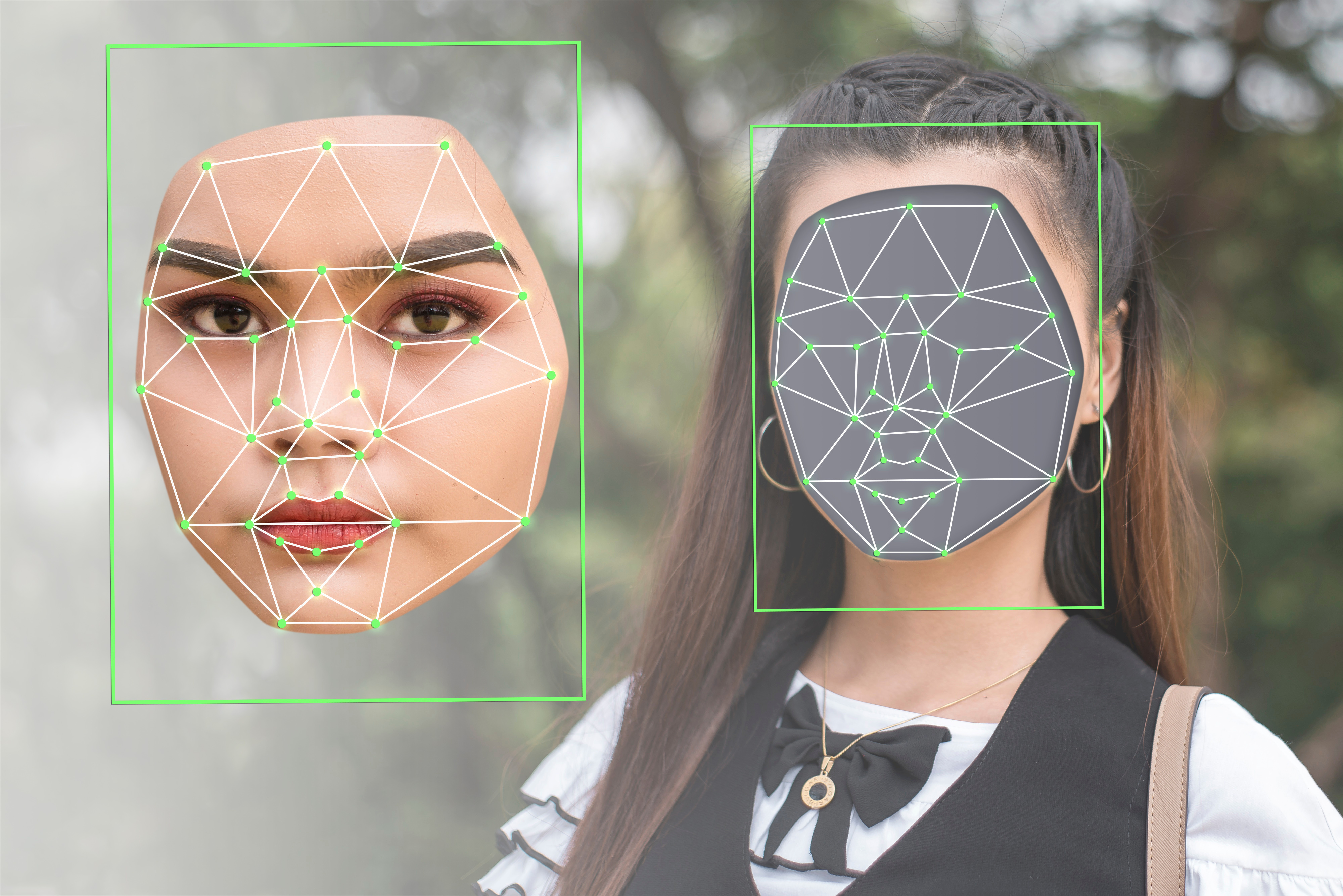
Deepfakes, which involve the use of artificial intelligence to create realistic fake videos, present significant challenges in various contexts, including fraud and disinformation campaigns. The technology allows malicious actors to manipulate visual and audio content to deceive viewers and further their own agendas.
The rise of deepfake technology has raised concerns regarding the erosion of trust in media and the potential for financial losses. Individuals, particularly those targeted by scams, are at risk of falling victim to fraudulent schemes presented through these convincing impersonations.
Moreover, the prevalence of deepfakes poses significant challenges for the authorities responsible for combating cybercrime. The complex nature of identifying and tracing those behind deepfake videos can hinder efforts to hold perpetrators accountable.
As deepfake technology advances, so too must our ability to detect and combat its misuse. Researchers and technologists are actively working on developing sophisticated tools and techniques to identify deepfake content and authenticate legitimate sources.
Government intervention and regulation are crucial in addressing the threat posed by deepfakes. Clear guidelines and legal frameworks must be established to deter the creation and distribution of deepfake content for malicious purposes. Additionally, collaboration among technology companies, social media platforms, and law enforcement agencies is essential in combating the spread of deepfakes and protecting individuals from potential harm.
This incident involving Martin Lewis serves as a stark reminder of the importance of staying vigilant and critical when consuming content online. Individuals should exercise caution and verify the authenticity of information before making any financial decisions based on online promotions or advertisements.
In conclusion, deepfake technology, as demonstrated in the case of Martin Lewis, has the potential to be exploited for fraudulent activities and misinformation. The incident highlights the need for proactive measures to combat the spread of deepfakes, including technological advancements, regulatory frameworks, and public awareness campaigns. By addressing these challenges collectively, we can mitigate the risks associated with deepfake scams and protect individuals from financial harm.