
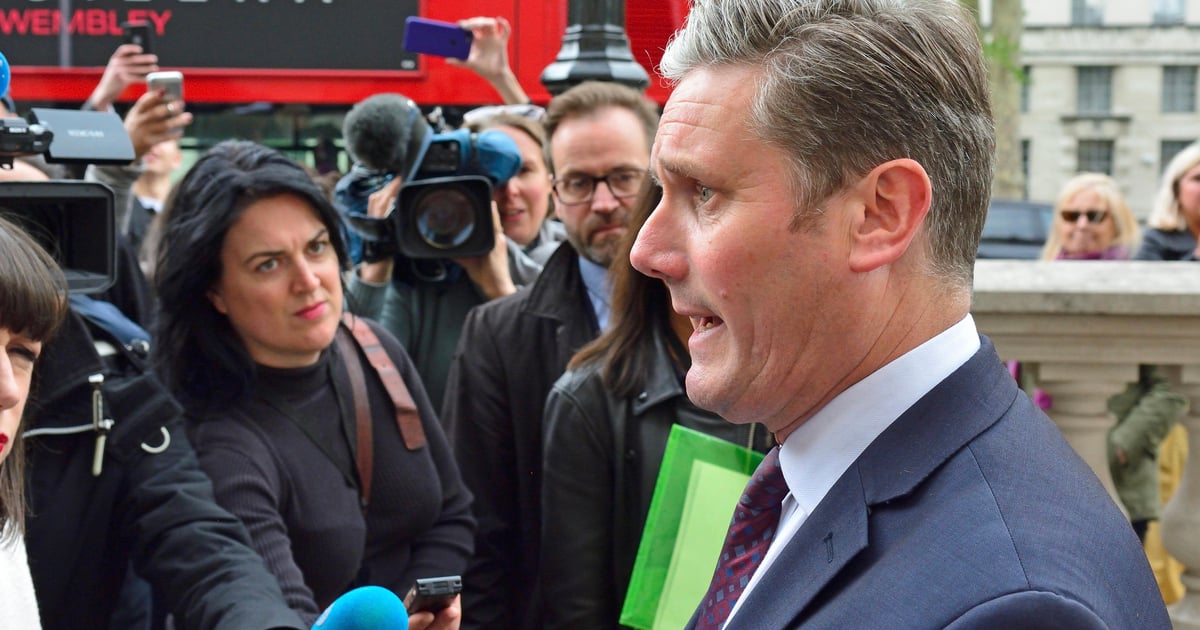
Deepfake videos of UK Prime Minister Keir Starmer and Prince William have been making waves on various Meta platforms, luring unsuspecting viewers into a fraudulent cryptocurrency scheme called “Immediate Edge.” The AI-generated videos of Starmer claim that the platform he is endorsing is not a scam and promises viewers a life-changing sum of money. Meanwhile, the deepfakes featuring Prince William aim to boost the credibility of the scheme by suggesting that the Royal Family supports the Prime Minister’s initiative.
“Good afternoon, honored citizens of the United Kingdom,” declared the deepfake Prince William in one of the circulating videos. “I am pleased to announce that I, Prince William, and the entire Royal Family fully support Prime Minister Keir Starmer’s initiative and his new platform.”
The alarming financial disinformation campaign was brought to light by researchers at Fenimore Harper. According to their findings, a total of 250 deceptive advertisements have surfaced on Meta platforms like Facebook and Instagram since the UK’s recent election. These ads have reached a staggering 891,834 individuals, resulting in a collective expenditure of £21,053 by unsuspecting victims.
In light of this concerning trend, researchers are urging the public to exercise caution as these AI-powered disinformation campaigns continue to proliferate online. The deception perpetrated by deepfake videos poses a serious threat, highlighting the need for greater awareness and vigilance among digital consumers.
The spread of deepfake technology is a growing concern in the realm of cybersecurity, as malicious actors exploit this advanced AI to manipulate public perception and promote fraudulent schemes. The unauthorized use of high-profile figures like political leaders and members of the Royal Family in these deceptive videos only serves to exacerbate the potential harm inflicted on unsuspecting individuals.
Efforts to combat the proliferation of deepfake content have been underway, with tech companies and policymakers scrambling to develop strategies to detect and mitigate the impact of these sophisticated disinformation campaigns. However, the prevalence of deepfake videos on popular social media platforms underscores the challenges in effectively policing and controlling the dissemination of misleading content.
As the boundaries between reality and fabrication blur in the digital age, it is imperative for users to exercise discernment and skepticism when encountering online content. The manipulation of videos and images through AI technologies like deepfake poses a clear and present danger to the integrity of information and the trustworthiness of digital media.
In conclusion, the emergence of deepfake videos featuring prominent figures like Keir Starmer and Prince William underscores the urgent need for enhanced cybersecurity measures and public awareness campaigns to combat the spread of disinformation. The deceptive nature of these AI-generated videos serves as a stark reminder of the evolving threats posed by advanced technologies in the digital landscape. As individuals navigate the vast and often treacherous terrain of online content, vigilance and critical thinking remain paramount in safeguarding against malicious manipulation and fraud.